













Key Takeaways:
- Rigid packaging design trends are increasingly characterized by a shift toward premium aesthetics that leverage minimalist structural forms to communicate brand quality. By integrating sophisticated finishes and unique geometries into rigid containers, brands can create a lasting impression of durability and luxury, which is essential for differentiation in highly competitive sectors such as personal care, luxury spirits, and high-end electronics.
- The focus on material optimization is enabling the creation of durable packaging that maintains structural integrity while significantly reducing the overall environmental footprint. Through the use of advanced polymer science and post-consumer recycled materials, manufacturers are able to deliver high-performance rigid solutions that align with modern consumer packaging trends favoring sustainability without compromising the protective qualities required for global distribution.
Rigid Packaging Design Trends Across Consumer Markets
The physical structure of a product’s container is often the most visceral link between a brand and its audience. While flexible formats have grown in popularity for their lightweight efficiency, the rigid sector remains the gold standard for protection, premium positioning, and long-term durability. Today, rigid packaging design trends are undergoing a significant evolution, driven by a new generation of consumers who value both aesthetic sophistication and environmental responsibility. In markets ranging from luxury cosmetics to household cleaning supplies, the “unboxing” experience and the “on-shelf” presence of rigid containers have become critical determinants of market share. To succeed in this landscape, manufacturers must navigate the complex intersection of high-end design and scientific material optimization.
The Psychological Impact of Premium Packaging Design
In a world where digital interactions are fleeting, the physical weight and texture of a rigid package provide a sense of permanence and quality. This is the foundation of premium packaging design. When a consumer holds a heavy glass bottle or a thick-walled acrylic jar, there is a subconscious association with luxury and reliability. Modern rigid packaging design trends are leaning into this psychology by utilizing structural elements that feel substantial and purposeful. This “perceived value” is a powerful marketing tool, allowing brands to command higher price points and foster a sense of exclusivity that purely utilitarian packaging cannot achieve.
Aesthetics as a Competitive Differentiator in Retail
The retail shelf is a battlefield of visual attention. To stand out, brands are moving away from busy, cluttered graphics toward structural storytelling. This involves using unique silhouettes and custom-molded shapes that become synonymous with the brand itself. For example, the curvature of a high-end perfume bottle or the specific grip of a premium detergent container are deliberate rigid packaging design trends intended to create instant brand recognition. By investing in premium packaging design, companies ensure that their products are not just seen, but are remembered as distinctive objects of desire.
Minimalism and the “Less is More” Philosophy
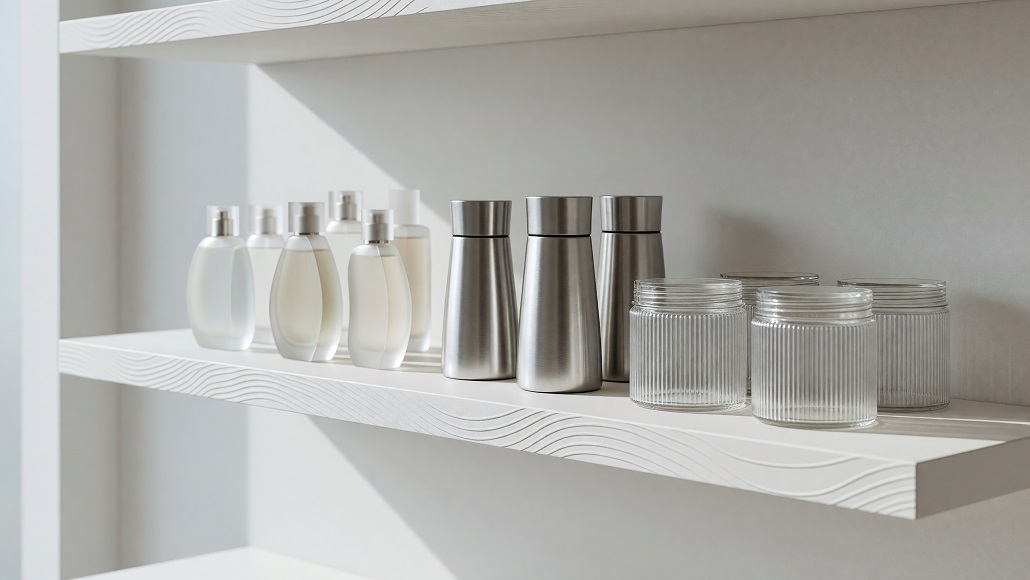
One of the most dominant consumer packaging trends today is the shift toward minimalism. This involves clean lines, monochromatic color palettes, and a focus on essential information. In rigid containers, this aesthetic is often achieved through “frosted” finishes, matte coatings, and the use of natural materials like wood or bamboo for closures. This “quiet luxury” approach signals to the consumer that the brand is confident in the quality of its contents and does not need to shout for attention. It is a sophisticated design language that resonates deeply with the modern, informed shopper who values authenticity and simplicity over aggressive advertising.
Engineering Resilience: Durable Packaging in the Modern World
While aesthetics capture the consumer’s eye, it is the performance of the package that ensures their satisfaction. Durable packaging is a prerequisite for goods that require a long shelf life or are subjected to the rigors of e-commerce shipping. Rigid containers, by their very nature, provide superior protection against impact, compression, and environmental factors like UV light and moisture. However, the modern challenge lies in maintaining this level of protection while adhering to strict sustainability mandates. This has led to a wave of innovation in material optimization, where the goal is to use the least amount of material to achieve the highest level of strength.
Material Optimization for Strength and Weight Reduction
The process of material optimization involves using advanced engineering to reduce the “wall thickness” of a container without compromising its structural integrity. This is often achieved through “ribbing” techniques or by using high-density polymers that offer greater strength at a lower volume. By reducing the weight of rigid containers, brands can significantly lower their transportation costs and carbon emissions, addressing one of the primary criticisms of rigid formats. These rigid packaging design trends represent a synergy between industrial efficiency and environmental stewardship, proving that “heavy duty” does not have to mean “heavy weight.”
The Transition from Traditional Glass to Advanced Polymers
In many sectors, we are seeing a strategic transition from traditional materials like heavy glass to advanced, clear polymers. While glass remains the pinnacle of premium packaging design for certain luxury items, it is also heavy and prone to breakage. Modern “PET-G” and bio-based plastics can now mimic the clarity and brilliance of glass while being much lighter and more durable. These materials allow for complex geometries that were previously difficult to achieve in glass, opening up new possibilities for creative rigid packaging design trends. This material evolution is a key driver of modern consumer packaging trends, providing a versatile canvas for both mass-market and luxury brands.
Sustainability and the Evolution of Rigid Containers
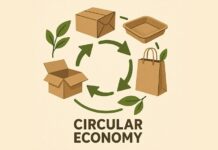
Perhaps the most significant force shaping rigid packaging design trends today is the global push for sustainability. Rigid formats have historically been criticized for their environmental footprint, but the industry is fighting back with innovative circular models. This involves a fundamental shift in how rigid containers are designed—moving away from single-use mentalities toward systems of reuse and high-quality recycling. Sustainability is no longer an afterthought; it is the core framework through which all modern premium packaging design is viewed.
Designing for Reuse and Refillable Models
The “Refill Revolution” is one of the most exciting consumer packaging trends in the rigid sector. Brands in the personal care and home cleaning markets are now offering durable packaging meant to stay in the consumer’s home for years. These high-quality “anchor” containers often made of stainless steel, thick glass, or reinforced plastic are then refilled using lightweight pouches or concentrated capsules. This model significantly reduces the total volume of waste generated and creates a long-term relationship between the brand and the consumer. It is a prime example of how rigid packaging design trends can adapt to a circular economy while maintaining a premium brand image.
Post-Consumer Recycled (PCR) Content and Circular Design
For containers that are destined for the recycling bin, the focus has shifted to the integration of Post-Consumer Recycled (PCR) content. Modern material optimization techniques allow for the inclusion of up to 100% PCR plastic in rigid containers without a noticeable loss in clarity or strength. This “closing the loop” is a vital part of modern rigid packaging design trends. Furthermore, designers are now prioritizing “monomaterial” constructions, ensuring that the bottle, the cap, and the label are all made from the same material. This simplifies the recycling process and ensures that the package can be transformed into a high-quality resource for future production cycles.
The Role of Personalization and Tactile Engagement
In the digital age, consumers crave physical connection. Rigid containers offer a unique opportunity for tactile engagement through “haptic” design. This involves using textures such as “soft-touch” coatings, embossed patterns, or “grainy” finishes that invite the consumer to touch and feel the product. These sensory details are a critical component of premium packaging design, as they create a deeper emotional bond between the user and the item.
Customization and Limited Edition Structural Design
Furthermore, the rise of digital manufacturing and 3D printing has enabled a new level of customization in rigid packaging design trends. Brands can now create limited-edition runs with unique structural features for specific markets or influencer collaborations. This level of agility was once impossible in the rigid sector due to the high costs of molds, but “rapid tooling” technology is changing the game. By offering personalized or exclusive container designs, brands can tap into the consumer’s desire for individuality and status, driving engagement and brand loyalty in a way that generic packaging never could.
Conclusion: The Structural Future of Branding
As we look toward the future, it is clear that rigid packaging design trends will continue to be a primary driver of brand differentiation. The most successful products will be those that can master the delicate balance between premium packaging design and material optimization. The rigid container of the future is not just a protector of the product; it is a durable, sustainable, and beautiful object that reflects the core values of the brand and the aspirations of the consumer. By embracing innovation in both form and function, the rigid packaging industry is ensuring its place as the bedrock of global retail, providing the structure and the soul for the world’s most beloved brands.

