







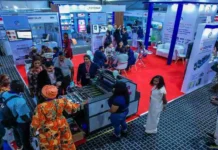







Sustainability is becoming increasingly embedded in how packaging is designed and produced. At interpack 2026, Esko is expected to demonstrate how digital tools and integrated workflows can support more efficient and environmentally aligned packaging development. Rather than presenting sustainability as a standalone feature, the focus is on how connected processes across design, artwork, and production can contribute to reduced waste and improved resource use.
Find more details and register here
Regulatory and Market Pressures Are Driving Change
Packaging companies are facing growing expectations from both regulators and consumers. Policies such as Extended Producer Responsibility (EPR) and evolving European requirements are pushing organisations to improve material efficiency, recyclability, and transparency.
At the same time, operational pressures such as rising material costs and supply chain constraints are reinforcing the need to reduce inefficiencies. As a result, sustainability is increasingly linked to how packaging workflows are managed, rather than being treated as a separate initiative.
Design Stage Decisions Influence Environmental Impact
A significant portion of a package’s environmental impact is determined during the design phase. Choices around materials, structure, and print specifications affect not only performance but also recyclability and waste generation.
Digital design and visualisation tools allow teams to evaluate packaging concepts before production begins. By enabling earlier validation, these tools can help reduce the need for repeated physical prototyping and late-stage design changes, both of which can contribute to material waste.
Workflow Efficiency as a Driver of Waste Reduction
Inefficiencies in artwork handling and production preparation can lead to errors, rework, and unnecessary material use. Disconnected systems and manual processes often increase the likelihood of inconsistencies across packaging variants.
Integrated workflow environments aim to address these issues by maintaining data consistency across stages. By reducing manual intervention and improving coordination between teams, such systems can help minimise avoidable waste and improve overall process efficiency.
Data Consistency and Traceability Are Becoming Central
Sustainability is increasingly tied to the availability and accuracy of packaging data. Regulatory requirements and emerging frameworks are placing greater emphasis on traceability, recyclability, and transparency.
Managing this information consistently across packaging formats is becoming more important. Workflow platforms that centralise artwork and packaging data can help ensure that information remains accurate as it moves from design through to production.
Sustainability as an Outcome of Connected Workflows
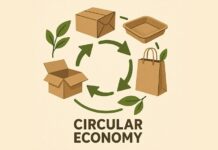
What is becoming clear is that sustainability is less about individual tools and more about how systems work together. When design, artwork, and production preparation are aligned, packaging development can become more efficient and predictable.
Esko’s presence at interpack 2026 reflects this broader shift, where sustainability is supported through improved workflows, data consistency, and better coordination across the packaging lifecycle.
Where to See It in Practice
These capabilities will be demonstrated at interpack 2026, taking place from 7 to 13 May at Messe Düsseldorf, where Esko will exhibit in Hall 8b, Booth 8BC14.
Visitors will be able to explore how packaging workflows are being structured to support efficiency, compliance, and sustainability within a single, connected process.