






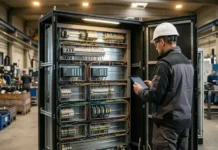
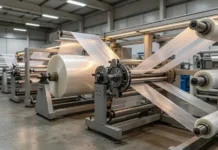


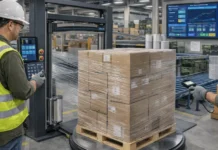






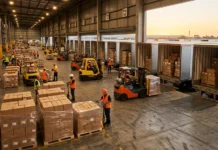








The manufacturing world is currently in the midst of a digital renaissance, where the physical and virtual realms are merging to create highly efficient, self-regulating ecosystems. Central to this transformation is the deployment of intelligent devices capable of collecting, processing, and communicating data from the heart of the production line. The application of smart sensors in packaging has evolved from simple proximity detection to complex environmental and mechanical monitoring, providing a level of insight that was previously locked away within the machinery. These sensors are the “nervous system” of the modern factory, ensuring that every movement is tracked, every temperature is optimized, and every potential failure is anticipated long before it disrupts the flow of goods.
The Dawn of Real-Time Operational Visibility
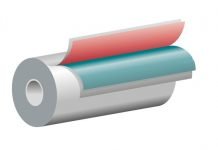
In traditional packaging environments, process monitoring was often a manual and retrospective task. Operators would check gauges periodically or wait for a machine to stop before investigating an issue. Today, the integration of smart sensors in packaging allows for continuous, real-time visibility into every aspect of the operation. Whether it is measuring the tension of a film as it is wound onto a spool or monitoring the vibration of a motor on a conveyor belt, these devices provide a constant stream of high-fidelity data. This shift from periodic sampling to continuous monitoring means that manufacturers no longer have to guess what is happening on the floor; they can see it unfolding in real-time on their digital dashboards.
Enhancing Precision with Advanced Sensing Technology
Modern packaging processes require extreme precision to maintain the integrity of the product and the efficiency of the line. High-frequency ultrasonic sensors, laser displacement tools, and sophisticated pressure transducers are now standard components in high-speed facilities. These smart sensors in packaging can detect deviations as small as a few microns, ensuring that every seal is perfect and every fill level is exact. By providing this granular level of control, sensors help reduce material waste and energy consumption, as the system can make micro-adjustments to the equipment parameters on the fly. This level of precision is especially vital in sectors like pharmaceutical packaging, where even the slightest error can have serious consequences.
Connectivity and the Industrial Internet of Things (IIoT)
The true value of modern sensing technology is not just in the data it collects, but in its ability to share that information across a network. Through the Industrial Internet of Things (IIoT), smart sensors in packaging can communicate with other machines, central controllers, and even cloud-based analytics platforms. This connectivity allows for a holistic view of the production process. For instance, a sensor at the end of the line might detect a trend in label misalignment and send a message back to the labeling station to recalibrate. This type of machine-to-machine (M2M) communication creates a self-healing production environment that requires far less human intervention to maintain peak performance.
Traceability and the Modern Supply Chain
Consumer demand for transparency has never been higher. Today’s buyers want to know where their products came from, how they were handled, and if they remained within safe temperature ranges during transit. Smart sensors in packaging are playing a crucial role in building this “digital thread” of traceability. By integrating sensors directly into the packaging itself or using high-speed sensors to verify unique identifiers on the production line manufacturers can create a complete record of a product’s journey. This is not just about compliance; it is about building brand trust through a commitment to quality that is backed by hard data.
Monitoring Environmental Conditions for Product Integrity
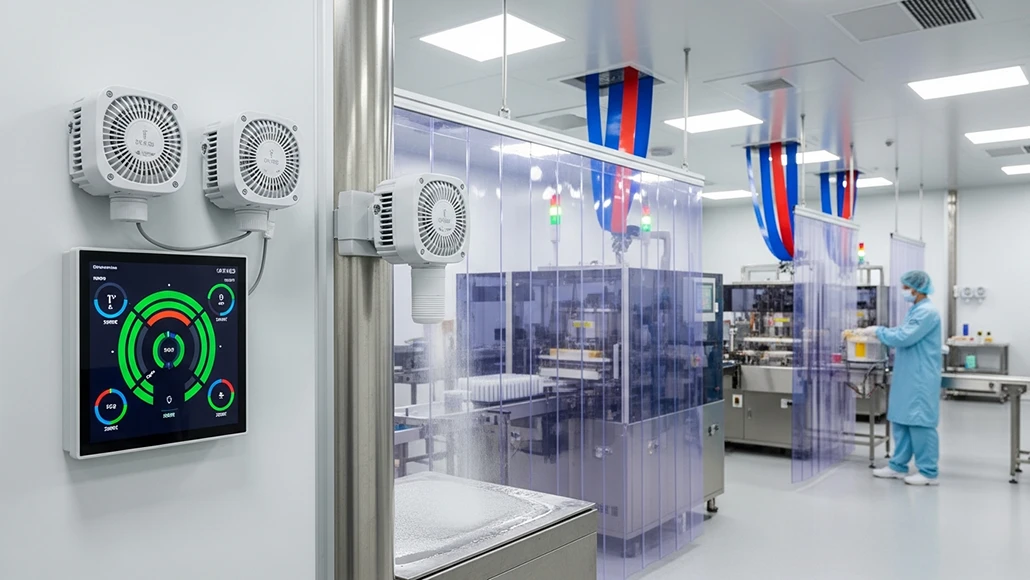
For products sensitive to environmental factors, such as vaccines or fresh produce, the packaging process itself must be strictly controlled. Sensors that monitor humidity, temperature, and atmospheric pressure within the packaging room ensure that the environment remains within the required specifications. These smart sensors in packaging can trigger alarms or even halt the line if conditions fluctuate outside of safe zones. This proactive approach prevents the packaging of products in environments that could compromise their shelf life or efficacy, saving companies from the financial and reputational damage of delivering substandard goods.
Revolutionizing Inventory Management and Logistics
Beyond the factory floor, the data generated during the monitoring process can be used to optimize inventory management. Sensors that track the consumption of raw materials such as the amount of film left on a roll or the number of pallets ready for shipment allow for just-in-time (JIT) replenishment strategies. This integration between the production line and the supply chain software reduces the amount of capital tied up in inventory and ensures that there are no delays due to missing components. The use of smart sensors in packaging thus extends its benefits far beyond the immediate manufacturing process, streamlining the entire business operation.
Predictive Maintenance: From Reaction to Anticipation
One of the most significant cost savers for any manufacturer is the reduction of unplanned downtime. When a critical machine fails, the costs can spiral quickly due to idle labor and lost production capacity. By utilizing smart sensors in packaging to monitor the health of mechanical components, companies can move toward a predictive maintenance model. Sensors can detect the subtle changes in heat or noise that precede a mechanical failure, allowing maintenance teams to address the issue during a scheduled shutdown. This “maintenance on demand” approach ensures that resources are used efficiently and that the equipment is always operating at its most reliable level.
The Role of Machine Learning in Sensor Data Analysis
As the volume of data generated by sensors continues to grow, it becomes impossible for human operators to analyze it all. This is where machine learning comes into play. By feeding sensor data into advanced algorithms, manufacturers can identify complex patterns and correlations that would otherwise remain hidden. For example, the software might discover that a certain type of film performs better when the room temperature is kept at a specific degree, even if both variables were previously within “normal” ranges. This deeper level of understanding, enabled by smart sensors in packaging and AI, is what allows world-class manufacturers to achieve levels of efficiency that were once unimaginable.
Simplifying Complex Human-Machine Interfaces
While the technology behind these systems is incredibly complex, the way humans interact with them is becoming simpler. Modern sensor systems often feature intuitive visual interfaces that use color-coded alerts and 3D models of the equipment to show exactly where an issue is occurring. This reduces the training time for new operators and allows for faster troubleshooting. The goal of using smart sensors in packaging is not to overwhelm the staff with data, but to provide them with clear, actionable insights that make their jobs easier and more productive.
Conclusion: Designing the Autonomous Future
As we look toward the future of the packaging industry, the trend toward greater intelligence and autonomy is undeniable. We are moving toward a world where the production line is a sentient entity, capable of sensing its own environment, diagnosing its own problems, and optimizing its own performance. The continued evolution of smart sensors in packaging is the primary driver of this transition. By turning every machine and every package into a source of valuable data, these devices are providing the foundation for a more resilient, efficient, and transparent global economy.
For manufacturers, the investment in sensing technology is an investment in the future of their business. It provides the visibility needed to compete in a fast-moving market and the reliability needed to satisfy an increasingly demanding consumer base. As sensors become smaller, cheaper, and more capable, their presence will only expand, eventually touching every stage of the product lifecycle. The transformation of the packaging process is just the beginning; the real power of smart sensors lies in their ability to connect the entire world of manufacturing into a single, intelligent, and highly optimized network.