

















The Digital Revolution: Smart Packaging Technologies for Beverage Brands
The beverage industry is standing at the precipice of a digital transformation where the physical container is no longer a passive vessel but a dynamic interface. Smart packaging technologies for beverage brands are bridging the gap between the physical shelf and the digital world, creating a “connected” ecosystem that benefits manufacturers, retailers, and consumers alike. This evolution is driven by the need for enhanced traceability, the rise of sophisticated anti-counterfeiting measures, and a growing consumer appetite for immersive brand experiences. As we move into an era defined by data and transparency, the integration of intelligence into packaging is becoming a mandatory requirement for brands looking to maintain a competitive edge.
Traceability and Supply Chain Integrity
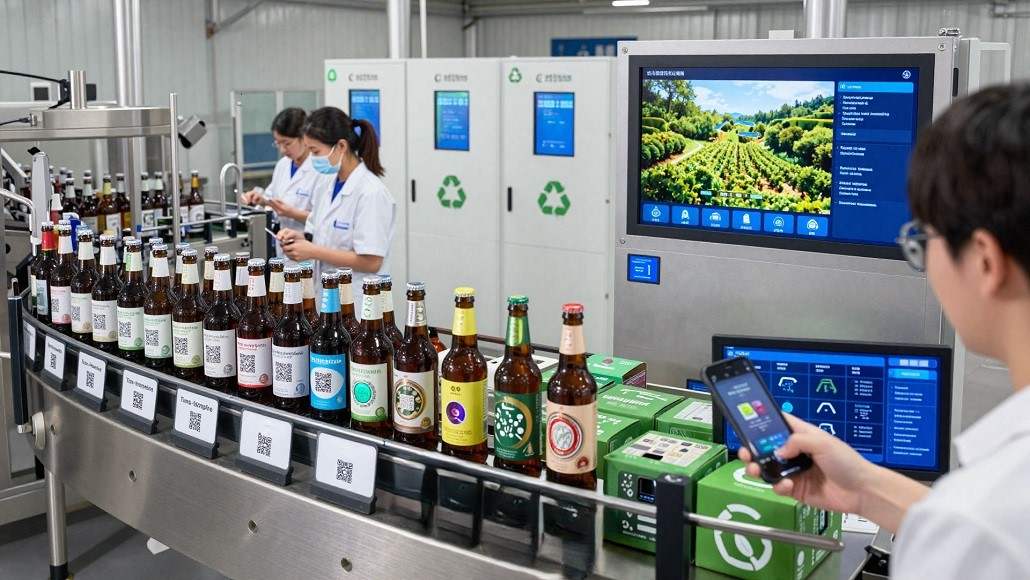
One of the primary drivers behind the adoption of smart packaging technologies for beverage brands is the absolute necessity for supply chain transparency. In a globalized market, tracking a product from the production line to the final consumer is a complex challenge. By embedding unique digital identifiers such as RFID tags or specialized QR codes into each unit, brands can monitor the movement of their products in real-time. This level of granular data allows for more efficient inventory management, reduces the risk of gray-market diversion, and ensures that the product reaches the consumer in the intended condition.
Moreover, in the event of a product recall, these smart systems enable surgical precision. Instead of recalling an entire batch or region, manufacturers can identify the specific bottles affected by a quality issue and communicate directly with the retailers and consumers who have them. This not only protects public health but also prevents the massive waste associated with broad-scale recalls. The “track and trace” capabilities afforded by smart packaging are essentially a digital insurance policy for brand reputation and operational efficiency. Furthermore, the integration of blockchain technology is providing an immutable ledger of a product’s journey, offering a level of trust that was previously impossible in global commerce.
Combatting Fraud with Advanced Anti-Counterfeiting Measures
For premium beverage categories, such as high-end spirits and vintage wines, counterfeiting is a multi-billion dollar problem that threatens both revenue and brand integrity. Smart packaging technologies for beverage brands are providing sophisticated solutions to this age-old issue. Near Field Communication (NFC) tags can be embedded under the bottle’s label or cap, allowing consumers to verify the authenticity of their purchase with a simple tap of their smartphone. These tags contain encrypted data that is nearly impossible to replicate, providing a “digital birth certificate” for every bottle.
In addition to NFC, invisible digital watermarks and holographic labels that react to specific lighting conditions are being used to differentiate genuine products from illicit copies. These technologies do more than just stop fraud; they provide the consumer with a sense of security and exclusivity. When a customer can instantly prove that their $500 bottle of whiskey is authentic, the value of the brand is reinforced. This digital handshake between the brand and the consumer is becoming a cornerstone of luxury beverage marketing. The psychological impact of these safety measures cannot be overstated, as they transform the act of purchasing into an act of verified consumption.
Enhancing Consumer Engagement and Brand Storytelling
Beyond safety and logistics, smart packaging technologies for beverage brands are opening up new frontiers in marketing. The “connected bottle” serves as a direct portal to the brand’s universe. By scanning a label, a consumer might be transported to a virtual tour of the vineyard where the grapes were grown, or given access to exclusive cocktail recipes curated by world-class mixologists. This type of interactive content transforms a routine purchase into an event, fostering a deeper emotional connection with the brand. It allows a story that used to take paragraphs of text to be told through vivid, immersive video and interactive graphics.
Furthermore, these digital touchpoints allow brands to gather invaluable first-party data. By understanding when, where, and how consumers are interacting with their packaging, companies can refine their marketing strategies and product offerings. For instance, if data shows that consumers are scanning labels primarily in the evening on weekends, a brand might launch a targeted social media campaign to coincide with those peak engagement times. This loop of interaction and insight is the future of data-driven beverage marketing, where the package itself acts as the primary data collection tool. It marks the end of the “black hole” of consumer insight between the retailer and the home.
Intelligent Labels and Freshness Monitoring
The future of smart packaging technologies for beverage brands also includes sensors that monitor the internal environment of the container. Time-Temperature Indicators (TTIs) are labels that change color if a product has been exposed to temperatures that could compromise its quality. This is particularly critical for beverages like craft beer or unpasteurized juices, where temperature fluctuations can lead to spoilage or flavor degradation. These sensors provide a real-world record of the product’s handling, ensuring that quality standards are met throughout the entire distribution process.
These intelligent systems provide an extra layer of quality assurance that traditional “best before” dates cannot offer. A date is merely an estimate, but a smart label reflects the actual history of the product. This reduces food waste by preventing consumers from throwing away perfectly good products and protects them from consuming items that have been mishandled during shipping. As these sensors become more affordable and scalable, we can expect them to become a standard feature in the cold-chain beverage sector. The integration of such technology into home smart devices will soon allow refrigerators to automatically alert owners when a beverage is no longer at its peak freshness.
The Role of Sustainable Intelligence
There is an increasing focus on ensuring that smart packaging technologies for beverage brands do not hinder sustainability efforts. The challenge lies in integrating electronic components like NFC tags or RFID chips into packaging without making the container unrecyclable. Innovators are now developing printed electronics that use conductive inks and paper-based substrates, which can be easily separated or safely processed in traditional recycling streams. This ensures that the digital revolution does not come at an environmental cost, maintaining the industry’s commitment to the circular economy.
This “green intelligence” ensures that the benefits of connectivity do not come at an environmental cost. Brands are increasingly looking for ways to use smart labels to actually promote sustainability—for example, by rewarding consumers with loyalty points or discounts when they scan a bottle at a designated recycling kiosk. In this way, technology and ecology work in tandem to create a more responsible and efficient beverage industry. It proves that the “smart” in smart packaging also applies to how we manage our resources and our impact on the world.
Personalization through Variable Data Printing
Another facet of smart packaging is the rise of variable data printing, which allows every single bottle in a production run to have a unique design or message. This is made possible by high-speed digital printing presses that can handle complex data sets on the fly. Beverage brands are using this technology to create personalized “shout-out” bottles or limited edition runs that celebrate local events or cultural milestones. This level of personalization makes the product feel unique and collectible, driving consumer demand and social media visibility. It turns a mass-produced item into a personal gift or a unique souvenir.
The Integration of Augmented Reality (AR)
Augmented Reality is perhaps the most visually stunning application of smart packaging technologies for beverage brands. By pointing a phone camera at a bottle, the label can come to life with 3D animations, interactive games, or instructional videos. This “extra dimension” of packaging allows brands to tell complex stories in a small physical space. Whether it is an animated mascot explaining the brewing process or a hidden map leading to a digital prize, AR is turning beverage aisles into playgrounds for consumer imagination. It bridges the gap between the static world of physical products and the infinite possibilities of digital creativity.
In conclusion, the adoption of smart packaging technologies for beverage brands represents a fundamental shift in how we perceive and interact with everyday products. By turning the bottle into a digital asset, brands are gaining unprecedented insights into their supply chains and their customers. As these technologies continue to evolve and become more integrated into our daily lives, the “smart” bottle will soon be as common as the smartphone, ushering in a new era of transparency, safety, and engagement in the beverage world. This digital layer is not just an add-on; it is the new standard of excellence for the global beverage industry.
The Future of Connected Ecosystems
Looking ahead, we can expect smart packaging technologies for beverage brands to integrate even more deeply with the “Internet of Things” (IoT). Imagine a world where your smart glass recognizes the drink you are pouring and adjusts its own temperature to match the optimal serving profile, or a smart pantry that automatically reorders your favorite beverage when it senses your stock is low. These are not science fiction scenarios but the logical conclusion of the trends we see today. The bottle is becoming the anchor of a vast, interconnected web of service and satisfaction that puts the consumer at the very center of the brand’s universe.
The journey toward fully intelligent packaging is just beginning. As the costs of components continue to fall and the capabilities of networks continue to rise, the potential for innovation is limitless. For beverage brands, the message is clear: the future is connected, and the package is the key to unlocking that future. By embracing smart technology today, they are securing their place in the digital economy of tomorrow.

