















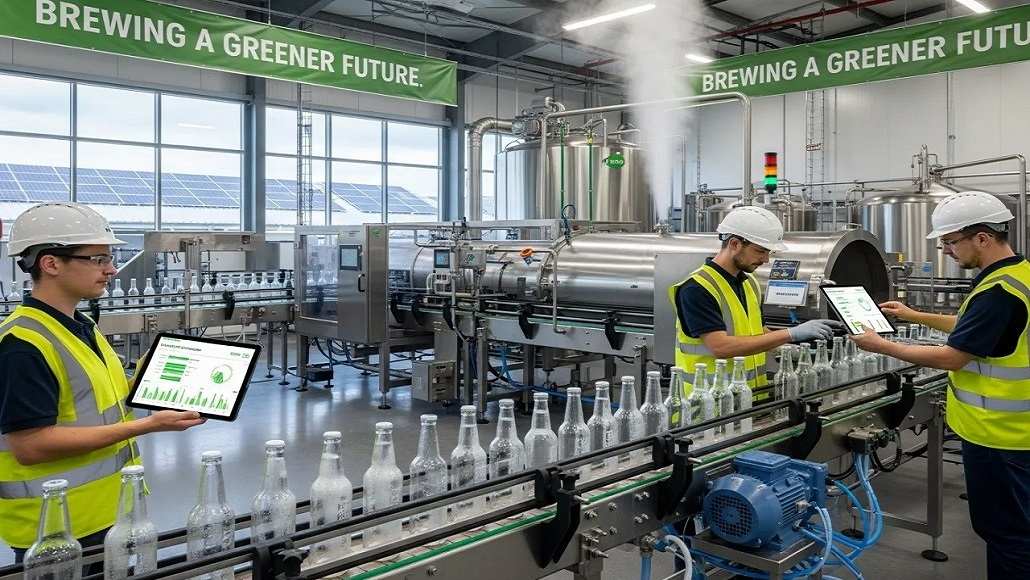
Brewing a Greener Future: Energy Efficient Packaging Systems for Breweries
In the modern brewing industry, the pursuit of excellence is no longer confined to the flavor profile of the beer; it now extends to the environmental impact of its production. Energy efficient packaging systems for breweries have emerged as a critical focus area for craft brewers and global giants alike, as they strive to balance high-speed throughput with a commitment to sustainability. Packaging is one of the most energy-intensive stages of the brewing process, involving high-pressure steam, massive amounts of cooling water, and thousands of electric motors. By optimizing these systems, breweries can significantly reduce their utility bills, lower their carbon emissions, and demonstrate a tangible commitment to the planet that resonates with today’s eco-conscious consumers.
Optimizing the Heart of the Line: Filling and Pasteurization
The most significant energy consumers in any brewery packaging line are the filling and pasteurization systems. Energy efficient packaging systems for breweries are now utilizing “flash pasteurization” and “tunnel pasteurization” units that incorporate advanced heat recovery technology. In traditional systems, a massive amount of heat was wasted as the beer was warmed for sterilization and then cooled for packaging. Modern systems use plate heat exchangers to capture the heat from the outgoing warm beer and use it to pre-heat the incoming cold beer. This simple yet effective loop can reduce the thermal energy requirement of the pasteurization process by up to 70%.
Furthermore, modern filling machines are designed to operate at lower temperatures, which reduces the energy needed for refrigeration. By utilizing “electronic” filling valves that allow for precise control over the filling speed and pressure, breweries can minimize the “agitation” of the beer, which in turn reduces the need for excessive carbonation pressure and the energy-intensive cooling that supports it. These advancements in energy efficient packaging systems for breweries ensure that the product is handled with the minimum amount of force and the maximum amount of efficiency, preserving both the beer’s quality and the brewery’s resources.
Variable Frequency Drives and Motor Efficiency
A packaging line is essentially a massive network of conveyors, pumps, and blowers, all powered by electric motors. In the past, these motors often ran at a constant speed, regardless of the actual production demand, leading to significant energy waste. Energy efficient packaging systems for breweries now utilize Variable Frequency Drives (VFDs) on every motor. These drives allow the motor to adjust its speed in real-time based on the flow of the product on the line. If there is a slight backup at the labeler, the conveyors can slow down rather than continue to run at full speed and consume unnecessary power.
This intelligent control of the line’s “tempo” not only saves energy but also reduces the wear and tear on the equipment, leading to longer machine life and lower maintenance costs. When combined with “high-efficiency” (IE3 or IE4) motors, the energy savings can be substantial. For a mid-sized brewery, the transition to VFD-controlled energy efficient packaging systems for breweries can result in a 20-30% reduction in electrical consumption across the packaging hall. It is a clear example of how “smart” technology can deliver immediate and measurable environmental and financial benefits.
Water Conservation: The Other Side of Energy Efficiency
In the brewing world, water and energy are inextricably linked. The energy required to pump, heat, and treat water is a major part of a brewery’s environmental footprint. Energy efficient packaging systems for breweries are thus placing a high priority on water conservation. This is particularly visible in the bottle and can rinsing stations, where traditional “open-loop” systems used to flush thousands of gallons of fresh water down the drain every hour. Modern systems utilize “recirculating” rinse water loops that filter and treat the water for reuse, or “ionized air” rinsers that eliminate the need for water altogether.
Furthermore, “dry lubrication” systems for conveyors are replacing traditional “wet” systems that used a mixture of water and soap to reduce friction. Dry lubrication uses a food-grade wax or polymer that is applied in tiny amounts, keeping the conveyors running smoothly without the need for constant water flow. By reducing water use, energy efficient packaging systems for breweries are also reducing the load on the facility’s wastewater treatment plant, leading to further energy savings and lower environmental impact. This holistic approach to resource management is a hallmark of the modern, sustainable brewery.
Compressed Air and Vacuum System Optimization
Compressed air is often referred to as the “fourth utility” in a brewery, and it is also one of the most expensive and inefficient. Many packaging machines rely on compressed air for pneumatic movements and cleaning. Energy efficient packaging systems for breweries are now moving away from central, high-pressure air systems in favor of localized, low-pressure blowers for tasks like bottle drying. These blowers use a fraction of the energy required by a compressor and provide a more targeted and effective flow of air.
Similarly, vacuum systems used for “label application” and “case packing” are being optimized with high-efficiency pumps and intelligent controls. By identifying and fixing leaks in the air system and ensuring that compressors are only running when needed, breweries can eliminate a significant source of “invisible” energy waste. Energy efficient packaging systems for breweries are thus about more than just buying new machines; they are about maintaining and optimizing the entire infrastructure that supports the packaging line. This attention to detail is what separates a world-class production facility from an average one.
The Role of Real-Time Monitoring and Data Analytics
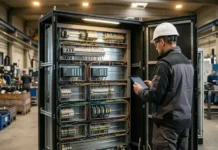
To truly maximize the benefits of energy efficient packaging systems for breweries, plant managers need a clear view of where energy is being consumed in real-time. This has led to the widespread adoption of “Energy Management Systems” (EMS) that use smart meters and sensors to track the energy use of every individual machine on the line. This data is then displayed on a dashboard, allowing operators to see the “energy intensity” of their production in real-time. If a machine starts consuming more power than usual, it can be flagged for maintenance before it becomes a major problem.
This data-driven approach allows for “continuous improvement” of the production process. By analyzing the data over weeks and months, breweries can identify the most efficient line speeds and product sequences, further reducing their energy footprint. Energy efficient packaging systems for breweries are thus a core component of the “Industry 4.0” brewery, where data is used to drive both quality and sustainability. It is a move from anecdotal evidence to empirical certainty, ensuring that every kilowatt-hour is put to its best possible use.
Strategic Sustainability as a Brand Differentiator
The investment in energy efficient packaging systems for breweries is not just a technical or financial decision; it is a powerful marketing tool. Today’s consumers are increasingly looking for brands that share their values, and “sustainability” is at the top of the list. By being able to point to specific, measurable improvements in their energy and water use, breweries can build a deeper level of trust and loyalty with their audience. Whether it is a “carbon-neutral” beer or a “zero-waste” brewery, the stories told about the production process are becoming as important as the stories told about the ingredients.
Furthermore, many retailers are now requiring their suppliers to meet specific environmental standards. By adopting energy efficient packaging systems for breweries today, companies are securing their place on the shelves of tomorrow. It is a proactive approach to risk management that protects the brand from future regulatory changes and changing consumer preferences. In the competitive world of beer, being “green” is no longer just an option; it is a vital part of the recipe for long-term success.
The Future of On-Site Renewable Integration
The ultimate goal for many breweries is to power their energy efficient packaging systems with on-site renewable energy. We are seeing a rise in breweries installing solar arrays on their warehouse roofs or using biogas from their wastewater treatment plants to power their boilers. By combining high-efficiency packaging equipment with local, clean energy, breweries can move toward true “energy independence.” This is the final frontier of sustainable production, where the act of brewing and packaging beer actually contributes to a cleaner and more resilient energy grid.
In conclusion, the evolution of energy efficient packaging systems for breweries is a masterclass in how industrial innovation can serve both the bottom line and the planet. By rethinking the way heat, water, and electricity are used, the brewing industry is setting a new standard for responsible manufacturing. As these technologies continue to advance and become more accessible, the “energy-efficient brewery” will become the benchmark for excellence, ensuring that we can continue to enjoy great beer in a world that is healthy and thriving. The future of brewing is not just about the liquid in the glass; it is about the wisdom and efficiency of the system that put it there.

