














Key Takeaways:
- Packaging materials shelf life is being transformed by the development of sophisticated oxygen barrier films and moisture control packaging that actively protect sensitive products from environmental degradation. By utilizing multi-layered structures and nanotechnology-infused polymers, these high-performance materials create a nearly impermeable shield against the external factors that lead to oxidation and spoilage, ensuring that food, pharmaceuticals, and electronics remain stable and effective for significantly longer periods.
- The evolution of shelf-life packaging is moving beyond passive protection toward active packaging performance, where materials directly interact with the internal environment of the container. These advancements, including oxygen scavengers and antimicrobial coatings, work to neutralize harmful elements and inhibit the growth of bacteria, thereby drastically reducing global waste and enhancing consumer safety in an increasingly complex and long-range global supply chain.
Packaging Materials Advancing Shelf-Life Performance
In the modern globalized world, the time between a product’s manufacture and its eventual consumption can span weeks, months, or even years. Whether it is a life-saving pharmaceutical in a remote clinic, a sensitive electronic component traveling across an ocean, or a perishable food item destined for a distant supermarket, the success of the journey depends entirely on the efficacy of the container. The science of packaging materials shelf life has become one of the most critical frontiers of industrial research. By engineering advanced barrier materials that can control the flow of gases, light, and moisture, the industry is not just protecting products; it is safeguarding human health, reducing global waste, and enabling the efficient distribution of essential resources to every corner of the planet.
The Science of Barrier Materials and Product Integrity
The primary objective of any high-performance package is to maintain the chemical and physical integrity of its contents. This requires a deep understanding of the specific vulnerabilities of the product. For instance, lipids in food are susceptible to oxidation, while dry powders are ruined by moisture. Packaging materials shelf life is optimized through the use of barrier materials that act as a gatekeeper. These are not simple sheets of plastic; they are complex, multi-layered films engineered at the molecular level to block specific threats while remaining flexible and durable. The goal is to create a micro-environment within the package that is completely independent of the chaotic conditions of the external world.
Strengthening Oxygen Barrier Films to Prevent Degradation
Oxygen is one of the most destructive forces in the world of perishables. It triggers the oxidation process that leads to rancidity, color changes, and the loss of vitamins. To combat this, modern shelf-life packaging utilizes high-performance oxygen barrier films. These films often incorporate a layer of Ethylene Vinyl Alcohol (EVOH) or Polyamide (Nylon), which are polymers with extremely tight molecular structures that are practically impermeable to gas molecules. By preventing oxygen from entering the package, these materials can extend the life of a product by several orders of magnitude compared to standard polyethylene wraps, ensuring that the flavor and nutritional profile of the product remain uncompromised from the factory to the table.
Utilizing EVOH and Metallized Layers for Maximum Protection
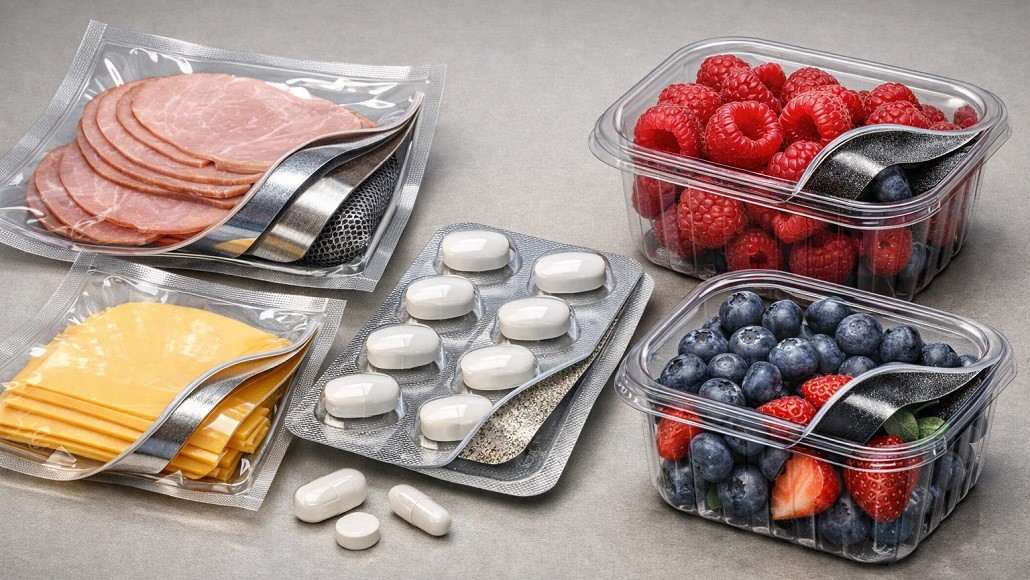
In many high-stakes applications, even a microscopic amount of oxygen can lead to failure. This has led to the development of metallized films and ceramic coatings. By depositing an ultra-thin layer of aluminum or silicon oxide onto a polymer substrate, manufacturers can achieve nearly absolute barrier performance. These packaging materials shelf life innovations are essential for the long-term storage of coffee, snacks, and medical supplies. The metallized layer also serves a dual purpose by blocking UV and visible light, which can further catalyze the degradation of sensitive chemicals and fats. This multi-threat defense is a hallmark of modern packaging performance, providing a comprehensive shield for the most demanding products.
Moisture Control Packaging: Managing the Internal Atmosphere
While oxygen causes chemical changes, moisture is often the driver of physical and biological failure. For dry goods, moisture leads to clumping and the loss of texture; for electronics, it causes corrosion; and for fresh produce, it accelerates the growth of mold. Moisture control packaging is therefore a vital component of the industry’s toolkit. This involves the use of materials with high Water Vapor Transmission Rates (WVTR) or the integration of active “desiccant” layers that can absorb any internal moisture that might have been trapped during the sealing process. This level of atmospheric management ensures that the product remains in a state of “suspended animation,” regardless of whether it is being transported through a humid tropical jungle or a freezing arctic port.
Desiccants and Moisture-Scavenging Technologies
Modern shelf-life packaging has moved beyond the simple “silica gel” packet. We are now seeing the integration of moisture-scavenging molecules directly into the polymer matrix of the container walls. This allows for moisture control packaging that is invisible to the consumer but highly effective. These materials can “breathe” in a controlled manner, drawing moisture away from the product and locking it into the structure of the plastic itself. This is particularly vital for the pharmaceutical industry, where the stability of a tablet or a dry-powder inhaler is a matter of life and death. By maintaining a constant, low-humidity environment, these barrier materials ensure that the active ingredients remain potent and safe for the entire duration of their prescribed shelf life.
Maintaining Stability in Sensitive Pharmaceuticals and Electronics
For the high-tech and medical sectors, packaging performance is non-negotiable. Electronic components, such as microprocessors and sensors, are susceptible to “micro-corrosion” caused by even the slightest moisture film. High-performance moisture control packaging for these items often involves the use of ESD (Electrostatic Discharge) shielding combined with advanced moisture barriers. Similarly, in the medical world, diagnostic kits and sterile instruments must be kept perfectly dry to ensure accurate results and patient safety. The evolution of packaging materials shelf life in these sectors is a testament to the power of material science to enable the global distribution of the world’s most sophisticated technologies.
The Evolution of Shelf-Life Packaging in the Food Sector
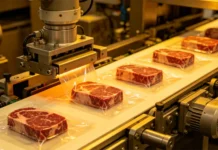
The food industry is the largest consumer of high-performance barrier materials, and it is also where the most visible innovations are occurring. The move toward “active” systems is changing the definition of a package from a passive vessel to a functional tool. Active packaging performance involves materials that “do” something to the food. This can range from scavenging the carbon dioxide released by aging produce to releasing natural preservatives that inhibit the growth of fungi. By actively intervening in the biological life of the food, these packaging materials shelf life solutions are helping to address the global food waste crisis, where up to 30% of all food produced is lost due to spoilage.
Active vs. Passive Packaging Performance
Passive packaging relies on the barrier properties of the material alone, whereas active packaging incorporates agents that interact with the food or the headspace. A common example of active packaging performance is the use of sachet-free oxygen scavengers. Instead of a separate packet, the oxygen-absorbing iron or polymer is embedded in the label or the cap of the bottle. This not only improves the safety of the product by ensuring a low-oxygen environment but also improves the consumer’s experience by removing unsightly and potentially hazardous packets from the food. These packaging materials shelf life breakthroughs represent a more holistic and consumer-centric approach to safety and quality.
Antimicrobial Coatings and Freshness Extension
The next frontier of food safety is the use of antimicrobial coatings. Researchers are developing films infused with natural antimicrobials like nisin, silver nanoparticles, or essential oils that are gradually released onto the surface of the food. These shelf-life packaging innovations can double the freshness of meat, poultry, and cheese by inhibiting the growth of common pathogens like Listeria and Salmonella. By reducing the microbial load on the product surface, these barrier materials allow for longer distribution cycles and fewer store-level losses. This technology is a critical component of the “clean label” movement, as it allows for longer shelf lives without the need for artificial preservatives in the food itself.
Sustainability and the Future of High-Performance Barriers
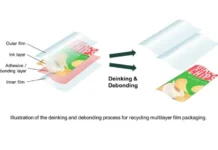
The challenge for the future is to achieve these high levels of packaging performance using sustainable and circular materials. Historically, high-barrier films were made of inseparable layers of different plastics and metals, making them impossible to recycle. However, a new generation of sustainable packaging materials shelf life solutions is emerging. We are seeing the development of “mono-material” high-barrier films, where the oxygen and moisture barriers are achieved through the orientation of a single polymer rather than multiple layers. These films are fully compatible with existing recycling streams, ensuring that the package can be recovered and repurposed without a loss in performance.
Bio-Based Films with High Barrier Properties
Perhaps the most exciting development is the rise of bio-based barrier materials derived from renewable sources like wood pulp, corn, or seaweed. New technologies allow these films to be coated with bio-based resins that provide oxygen barrier performance comparable to EVOH. These shelf-life packaging options ensure that the environment is protected as well as the product. As the global population grows and the demand for safe, stable food and medicine increases, the continued advancement of packaging materials shelf life will be essential. By marrying the rigors of material science with a deep commitment to sustainability, the packaging industry is ensuring that the world’s most vital products can travel further, last longer, and do so with a footprint that honors the future of our planet.