












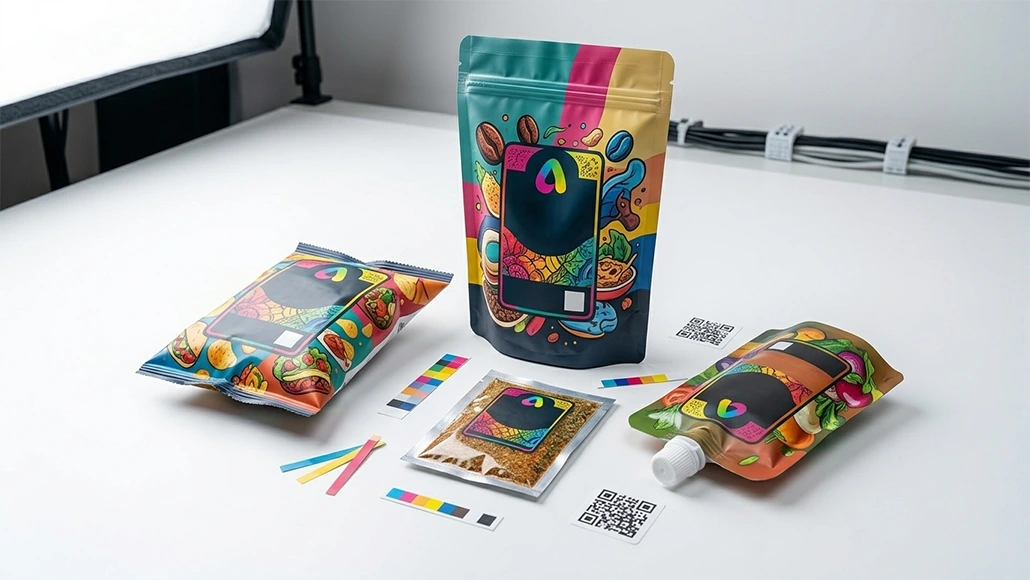

The global shift toward flexible packaging is one of the most visible and impactful trends in modern manufacturing. Walk down any supermarket aisle or open any e-commerce delivery, and you will see the dominance of pouches, wraps, and films. This movement is driven by a sophisticated evolution in flexible packaging printing, a sector that has successfully bridged the gap between complex material science and high-speed visual communication. As consumers demand more convenience and brands seek more sustainable shipping solutions, the ability to print high-quality graphics on thin, versatile substrates has become a cornerstone of the modern supply chain.
The Technological Infrastructure of Modern Film Printing
At the heart of the flexible movement is the ability to print on a vast array of substrates, ranging from traditional polyethylene and polypropylene to newer, bio-based compostable films. These materials require specialized handling and ink systems to ensure that the image remains vibrant and intact throughout the product’s journey. Historically, rotogravure was the gold standard for this work, offering unmatched consistency for massive runs. However, the rise of wide-web flexographic printing and, more recently, high-speed digital solutions has provided manufacturers with the agility needed to handle a wider variety of job sizes and designs.
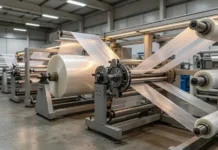
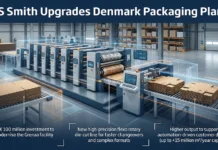
Modern flexographic presses have undergone a technological renaissance. The implementation of central impression CI drums and precision plate-mounting systems allows for registration accuracy that was once thought impossible at high speeds. These machines can now process rolls of film at speeds exceeding 600 meters per minute, making them incredibly efficient for the high volumes required by the food and beverage sectors. When combined with advanced drying systems that can handle solvent-based, water-based, or UV inks, these presses represent a pinnacle of mechanical engineering that meets the heavy demands of global retail.
Addressing the Unique Challenges of Substrate Versatility
One of the most significant complexities in flexible packaging printing is the behavior of the substrate itself. Unlike paper or cardboard, plastic films are non-porous and often prone to stretching or distortion under tension. Managing this web tension requires highly sophisticated control systems that monitor the film as it moves through the press. If the tension is off by even a fraction, the colors will not align, and the package’s functionality such as its heat-sealing properties could be compromised.
To solve this, modern presses utilize ultrasonic sensors and closed-loop feedback systems that make micro-adjustments in real-time. Additionally, the surface of the film often requires treatment, such as corona or plasma discharge, to increase its surface energy and ensure that the ink adheres properly. This marriage of chemical treatment and mechanical precision is what allows a pouch to maintain its high-gloss finish and legible fine print even after being frozen, heated, or subjected to the rigors of cross-continental shipping.
Driving Sustainability through Lightweighting and Material Innovation
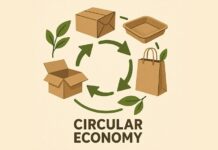
Sustainability is the primary driver behind the rapid adoption of flexible formats. The concept of lightweighting is central here flexible packaging typically uses significantly less material than rigid alternatives like glass jars or metal cans. This reduction in material translates directly to lower energy consumption during production and significantly reduced carbon emissions during transport. However, for flexible packaging printing to be truly sustainable, it must also adapt to new, monomaterial films.
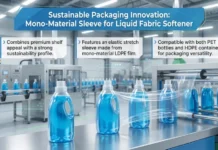
Traditionally, flexible pouches were made of multiple layers of different plastics to achieve the necessary barrier properties, making them nearly impossible to recycle. The industry is now moving toward high-performance monomaterials that provide the same protection while being fully recyclable. Printing on these materials is challenging, as they often have different heat sensitivities and ink-reception characteristics. The latest innovations in ink chemistry and drying temperatures are enabling manufacturers to transition to these eco-friendly substrates without sacrificing the visual appeal that drives consumer purchase decisions.
Enhancing Consumer Experience through Functionality and Design
Beyond protection and sustainability, the flexible format offers unique opportunities for functional design. Resealable zippers, spouts, and laser-perforated tear strips have become standard features that enhance the user experience. The printing process must be perfectly synchronized with these finishing steps. For example, if a brand wants to use a matte-finish varnish on specific areas of a pouch while keeping others glossy, the registration between the ink and the varnish must be flawless.
We are also seeing a shift toward sensory packaging, where the print itself provides a tactile experience. Soft-touch coatings and raised textures can be applied during the printing process to make a snack pouch feel premium or a personal care product feel soothing. This tactile engagement builds a deeper connection with the consumer at the point of purchase. By utilizing flexible packaging printing to create these multi-sensory experiences, brands can differentiate themselves in a crowded marketplace where visual appeal alone is no longer enough.
Navigating the Boom in E-Commerce and Home Delivery
The explosion of e-commerce has placed new demands on packaging. Products shipped directly to consumers must survive a much more punishing last mile than those shipped on pallets to a retail store. Flexible packaging is uniquely suited for this environment because it is durable, puncture-resistant, and unlikely to break if dropped. Furthermore, the ability to print custom graphics on the inside of a shipping mailer has become a popular way for brands to create an unboxing experience that resonates with digital-first consumers.
In the e-commerce world, speed is everything. Digital flexible packaging printing is playing a vital role here, allowing brands to produce small batches of custom mailers or pouches for influencer kits and limited-edition drops. The lack of plates means that a brand can change its messaging on the fly, perhaps including a QR code that leads to a personalized video or a social media contest. This level of responsiveness is essential for maintaining relevance in a fast-moving digital economy where consumer trends can shift in a matter of days.
The Future of High-Speed Flexible Production
Looking ahead, the flexible packaging sector will continue to benefit from the integration of Industry 4.0 technologies. We are seeing the rise of smart presses that can self-diagnose mechanical issues and optimize their own ink consumption. The data generated by these machines allows manufacturers to fine-tune their operations, reducing waste and increasing throughput to meet the ever-growing global demand.
As material science continues to evolve, we will see the emergence of even thinner films with even better barrier properties, further reducing the environmental impact of the packaging industry. The role of printing in this ecosystem is to ensure that these advanced materials are not just functional, but also beautiful and informative. By pushing the boundaries of what is possible on a flexible substrate, the industry is creating a future where packaging is lighter, smarter, and more sustainable than ever before.