



















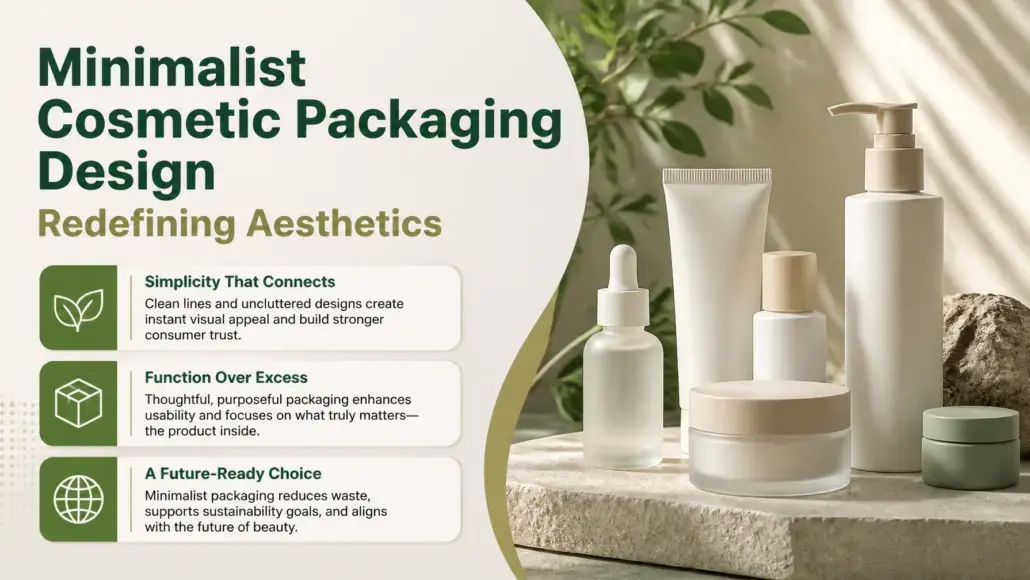

The beauty industry is currently witnessing a significant return to simplicity. After years of maximalist designs and multi-layered packaging, a new movement is taking hold that prioritizes clarity, functionality, and the elimination of the unnecessary. This shift is defined by aesthetic minimalist cosmetic packaging design goals that emphasize clean lines and a focused visual language. According to market projections, the global cosmetic packaging market valuation of USD 59.88 billion in 2026 is being increasingly influenced by this ‘less is more’ philosophy. For professional skincare and makeup products, minimalism is not just a stylistic choice but a strategic response to a consumer base that is feeling overwhelmed by visual clutter and environmental guilt.
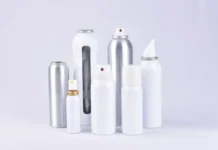
Minimalist cosmetic packaging is characterized by a reduction in the number of components and a focus on high-quality materials that speak for themselves. This clean line design allows the physical form of the package to take center stage, creating a sense of calm and professionalism. Packaging World Insights observes that by stripping away excess decoration and focusing on simple functionality, brands can communicate a sense of honesty and efficacy that resonates with the modern consumer. This approach is particularly effective in the professional skincare sector, where the focus is on the quality of the formula and the results it delivers. A sleek beauty packaging solution signals that the brand is confident in its product and does not need to rely on flashy marketing gimmicks to attract attention.
The Psychology of Minimalist Branding
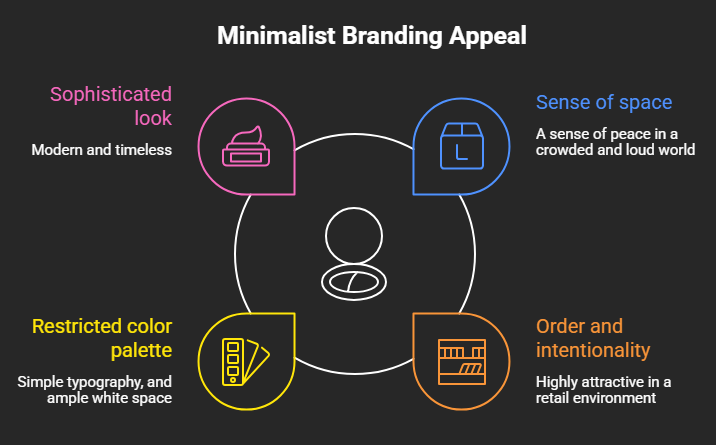
The appeal of minimalist branding lies in its ability to create a sense of space and tranquility in a world that is increasingly crowded and loud. For the consumer, a minimalist package is a breath of fresh air. It communicates a sense of order and intentionality that is highly attractive in a retail environment where hundreds of products are competing for attention. By using a restricted color palette, simple typography, and ample white space, brands can create a sophisticated and high-end look that feels both modern and timeless. This visual language is particularly effective for premium makeup container aesthetics, where the goal is to create a product that feels like a luxury accessory.
In 2026, we are seeing a move toward heavy-weight materials like aluminum and glass for items like lipsticks and compacts. These materials provide a satisfying tactile experience and a sense of permanence that plastic cannot replicate. By focusing on the form and the finish rather than the decoration, brands can create products that are truly timeless. A perfectly weighted lipstick tube with a smooth magnetic closure and a matte metallic finish is a powerful statement of quality. It speaks to a consumer who values craftsmanship and is looking for products that will last. This focus on durability is also a key part of the sustainability story, as these high-quality containers are often designed to be refillable, allowing the consumer to keep the beautiful outer shell while replacing the product inside. This blend of luxury, minimalism, and environmental responsibility is the hallmark of the most successful beauty brands in the current market.
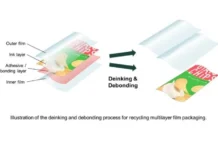
Furthermore, minimalism is often perceived as an indicator of sustainability. A package that uses fewer materials and has a simpler construction is naturally seen as being more environmentally friendly. This alignment with the values of the eco-conscious consumer is a major driver of the trend. Professional skincare packs that use mono-material components and avoid unnecessary secondary packaging are seen as responsible choices that allow the consumer to enjoy their beauty routine without contributing to the global waste problem. In 2025 and 2026, the packaging industry has seen a major push toward these types of solutions as brands look to meet their sustainability targets and appeal to a more discerning customer base.
Strategic Implementation for Professional Lines
For professional beauty brands, the move toward minimalism requires a high degree of precision and attention to detail. When there are fewer elements to work with, every single one must be perfect. This includes the selection of the right materials, the exact shade of a neutral color, and the subtle texture of a matte finish. Every element of the package must contribute to the overall sense of quality and professionalism. This focus on craftsmanship is what differentiates professional minimalist packaging from cheap, mass-market alternatives.
Many brands are also using minimalism as a way to highlight their commitment to science and transparency. By using clear labeling and a clinical aesthetic, they can communicate the efficacy of their formulas in a direct and honest way. This approach is particularly effective for products that contain a high concentration of active ingredients or are designed to address specific skin concerns. The use of sleek beauty packaging in these cases reinforces the idea that the product is a professional tool rather than a mere cosmetic. It creates a sense of authority and trust that is essential for success in the competitive skincare market of 2026. This clinical aesthetic often involves the use of high-contrast typography, medical-grade materials, and a focus on functional details like metered pumps or airless containers.
By removing all distractions, minimalist cosmetic packaging forces the consumer to focus on the efficacy of the formula:
- Visually represents a brand’s commitment to results-driven skincare.
- Highly effective for educated consumers seeking products with a clear, verifiable scientific basis.
- Minimalist packaging provides an ideal canvas to explain exactly what is in the product and why it works.
- Presenting facts clearly and concisely helps brands build deep, lasting customer connections based on mutual respect and shared values.
- Transparency serves as a major competitive advantage in an industry historically known for marketing hype and empty promises.
- Minimalist design cuts through the noise to deliver a powerful and sincere message.
The Role of Material Innovation in Simple Design
Minimalism does not mean a lack of innovation. On the contrary, creating a truly minimalist package often requires a high level of technical expertise. The industry is currently exploring new ways to use materials like aluminum, glass, and bio-based plastics to create forms that are both simple and sophisticated. For example, the use of lightweight glass that is highly durable allows for a premium feel without the environmental cost of traditional heavy glass. Similarly, the development of new coatings and finishes can add a level of depth and interest to a minimalist design without the need for additional decorative elements.
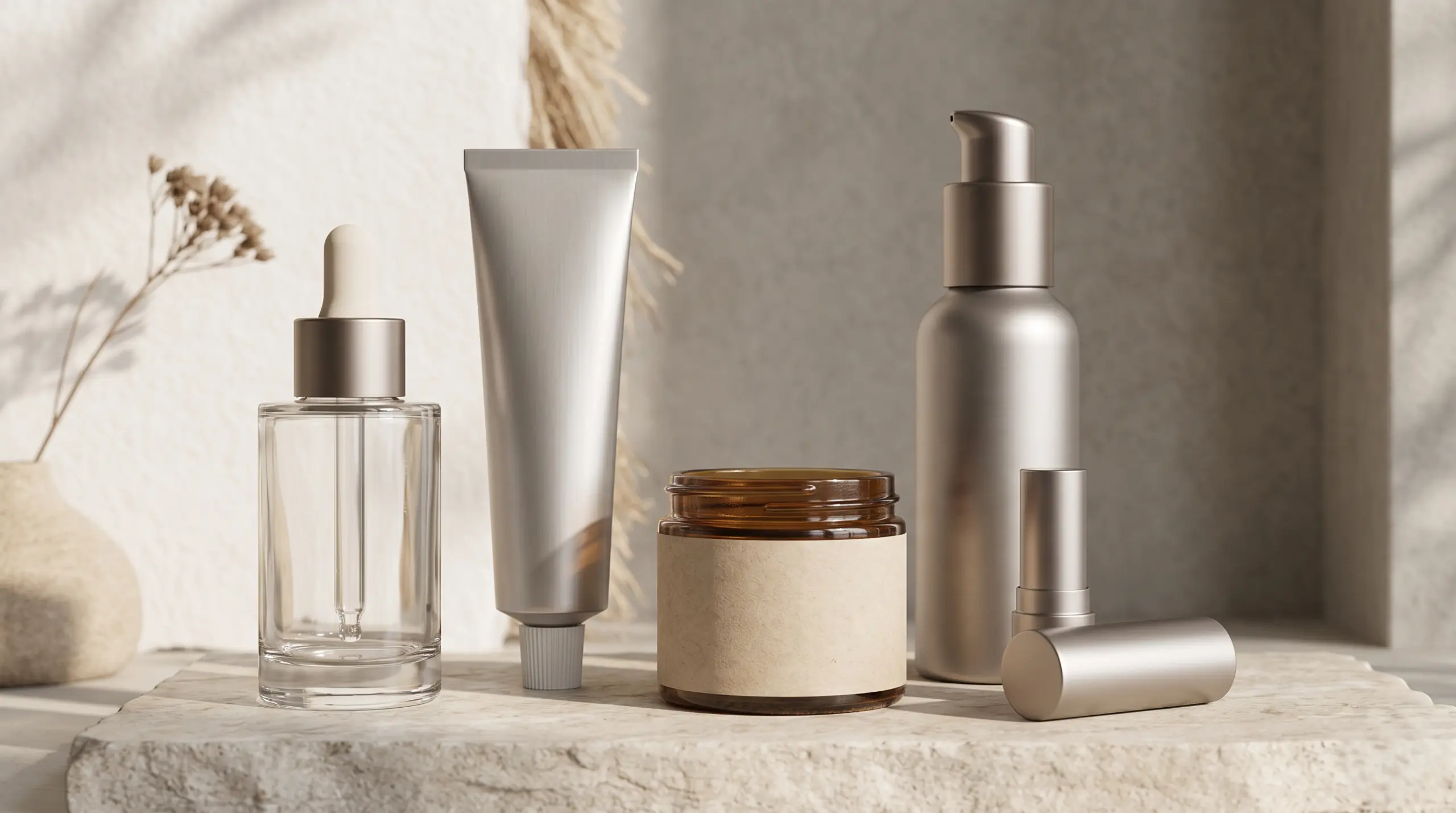
According to a 2026 outlook from Mintel, there is a marked preference for textured papers and natural fibers that add a multi-sensory dimension to minimalist packaging. These materials provide a tactile experience that reinforces the sense of quality and craftsmanship. By focusing on the inherent beauty of the material itself, brands can create a package that feels both luxurious and authentic. This focus on material honesty is a key component of the minimalist aesthetic and is something that we expect to see more of in the future as consumers continue to prioritize sustainability and transparency.
Balancing Simplicity with Functional Versatility
While the elimination of excess is a primary goal for many, some consumers require more versatility from their purchases, leading to a rise in trends in multi functional cosmetic packaging systems that combine several products into a single, sleek unit. The challenge for minimalist brands is to incorporate this functionality without compromising the clean line design that defines their aesthetic. This requires a high degree of creativity and engineering skill. We are seeing the development of modular systems that allow consumers to customize their products while still maintaining a cohesive and minimalist look.
For example, a skincare brand might offer a single, high-quality outer shell that can be used with a variety of internal cartridges. This allows the consumer to switch between different treatments without having to purchase multiple full-sized containers. It is a solution that is both minimalist and highly functional, providing the consumer with the versatility they need while minimizing waste. This move toward modularity is a key trend in the industry and is something that we expect to see more of as the demand for sustainable and versatile solutions continues to grow.
Business Implications for the Minimalist Movement
From a business perspective, minimalism offers a range of benefits beyond just aesthetic appeal. By reducing the number of components and simplifying the manufacturing process, brands can lower their production costs and improve their operational efficiency. This can lead to higher profit margins and a more sustainable business model. Furthermore, simpler packaging is often easier and cheaper to transport, which can lead to significant savings in logistics and a lower carbon footprint.
However, the move toward minimalism also carries risks. If a design is too simple, it may fail to stand out on the retail shelf or may be perceived as being of lower value. This is why it is so important for brands to invest in high-quality materials and professional design. The goal is to create a product that feels like a conscious choice rather than a budget-driven one. By prioritizing quality and intentionality, brands can ensure that their minimalist packaging resonates with their target audience and drives long-term success.
As we look toward the future, Packaging World Insights is of the opinion that minimalism will continue to be a major force in the beauty industry. The focus on simplicity, functionality, and sustainability is a direct response to the needs and values of the modern consumer. Brands that can successfully embrace these principles while still delivering a high-quality and luxurious experience will be the ones that thrive in the global marketplace. The move toward minimalist cosmetic packaging is not just a trend. It is a fundamental shift in the way we think about design and consumption in a rapidly changing world. It is about choosing quality over quantity and efficacy over excess.
References
- “The Future of Beauty Packaging” – Mintel
- “Cosmetic Packaging Market Size, Share | Global Report” – Fortune Business Insights
- “Kicking off the new year” – Albéa Group