





















Purchasing slitting knives for packaging operations directly impacts productivity, quality and profitability. Manufacturing professionals who understand how these packaging knives support daily operations and familiarize themselves with leading suppliers are better positioned to make confident purchasing decisions that deliver long-term value.
How Do Slitting Knives Enhance Modern Packaging Operations?
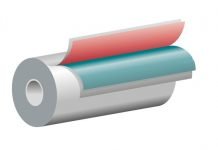
Slitting knives transform large rolls of material into the precise widths required for packaging applications. These specialized blades process paper, film, foil and other substrates with repeatable accuracy, protecting brand integrity and giving companies the flexibility to experiment with new packaging or materials.
Companies that upgrade their slitting equipment often see dramatic gains in throughput and consistency. One recent installation enabled a company to achieve processing speeds approximately 35% faster than previous methods, helping it meet growing demand.
The quality of slitting knives directly influences product consistency, material waste rates and machine uptime. Dull or improperly specified blades create edge defects that require rework or result in rejected materials. In high-volume packaging environments, even minor improvements in blade performance translate to measurable cost savings and enhanced competitiveness.
Premium materials and advanced manufacturing techniques extend blade service life significantly compared to older alternatives. Knives made from tungsten carbide or specialty steel alloys maintain sharp edges through extended production cycles. Facilities experience fewer unplanned blade replacements, keeping lines running and meeting production schedules.
How to Choose the Right Slitting Knives for the Application
Selecting appropriate slitting knives requires understanding both current operational needs and future production goals. Manufacturing professionals benefit from evaluating how specific blade characteristics align with their material types, volume requirements and quality standards.
Forward-thinking executives consider expansion plans when specifying equipment. One manufacturer intending to enter new markets recognized that specialized slitting capabilities would be central to growth strategies. The company invested in equipment that reaches speeds of 3,000 feet per minute and offers compatibility with numerous widely used materials, allowing the brand to create sachets, pouches and wraps.
Once manufacturers examine aspects specific to their operations, they should consider the following characteristics about the packaging knives.
Analyze Blade Material and Composition
Different substrate materials demand specific blade compositions. High-carbon steel offers economical performance for paper and lighter-weight materials. Tungsten carbide provides exceptional wear resistance for abrasive films and extended production runs, though at a higher initial cost. Ceramic blades resist chemical interaction with certain specialized films. Each material presents trade-offs between durability, sharpness retention, brittleness and price.
Evaluate Edge Geometry and Sharpness
Edge profiles significantly affect cutting performance. Single-bevel edges suit many general applications, while double-bevel configurations provide advantages for specific materials. Mirror-finished edges reduce friction during cutting, particularly important when processing delicate films.
Ensure Compatibility With a Facility’s Machinery
Blade specifications must match existing equipment. Critical dimensions include diameter, bore size, keyway configuration and mounting requirements. Incompatible blades create safety hazards and damage expensive machinery. Manufacturers should verify specifications with equipment documentation and consult with blade suppliers to confirm proper fitment before ordering.
Common Slitting Knife Challenges
Packaging professionals frequently encounter frustrations when sourcing and implementing slitting knives. Understanding the root causes of common challenges helps affected parties develop effective solutions.
Difficulty Finding Reliable Suppliers
Geopolitical tensions, inconsistent quality control and limited brand familiarity complicate supplier selection. Manufacturers need partners who deliver consistent products, maintain adequate inventory and provide responsive technical support.
Researching multiple suppliers and prioritizing those with demonstrated industry longevity, broad product selections and excellent customer service helps packaging operations build resilient supply chain networks.
Knife Corrosion During Normal Use
Certain operating environments accelerate blade corrosion, particularly when processing materials with chemical additives or in high-humidity facilities. Some manufacturers address this concern through specialized processing steps.
Some makers of industrial packaging knives protect against corrosion by applying protective layers during manufacturing. Packaging professionals should discuss corrosion resistance during the purchasing process and seek recommendations from sales representatives.
Top Industrial Slitting Knife Manufacturers and Suppliers
Manufacturers experience better outcomes when selecting suppliers that demonstrate reliability and customer satisfaction. These leading providers stand out for their industry experience, comprehensive product selections and custom design capabilities.
1. Intertech Precision
Intertech Precision is an established global leader in industrial slitting knives, knife holders, and complete systems serving paper, plastic and textile markets. Advanced technologies and consulting services enhance safety and speed up production setup, reducing operational costs from inefficient cutting. The company’s precision manufacturing capabilities ensure consistent cut quality, improving the final product’s appearance and reducing material waste.
Key features:
- Offers free quotes
- Manufactures products to the highest standards
- Delivers high-quality and innovative products to many industries
2. Dyyrent
Dyyrent specializes in industrial cutting solutions for converting and packaging applications. The company serves manufacturers processing various substrate materials, including films, foils and papers. Its technical expertise and ability to produce knives and blades for a wide range of original equipment manufacturer machines make it a versatile supplier for diverse operations. Its global reach enables it to support large-scale, international manufacturing with consistent quality.
Key features:
- Uses ISO-certified manufacturing methods
- Exports its products to more than 180 countries
- Offers customized edge geometries for specialized applications
3. American Cutting Edge
American Cutting Edge provides industrial blade solutions with emphasis on precision manufacturing and customer service. The supplier supports packaging operations with standard and custom blade configurations. The company has deep experience and maintains a large inventory of standard blades for immediate shipment, minimizing customer downtime. It also offers engineering support to develop custom solutions for unique cutting challenges.
Key features:
- Uses ISO-certified manufacturing methods
- Exports its products to more than 180 countries
- Offers customized edge geometries for specialized applications
4. Edge Mills
Edge Mills manufactures industrial cutting tools designed for demanding production environments. The company focuses on delivering reliable performance through quality materials and precise manufacturing processes.
Key features:
- Manufactures to customer requirements while using premium materials
- Sells blades that cut clean and fast for repeatable results
- Ships orders the same day if placed before a stated deadline
5. Great Lakes Industrial Knife
Great Lakes Industrial Knife serves packaging manufacturers with comprehensive blade solutions and technical expertise. The company emphasizes long-term customer relationships through responsive support and problem-solving capabilities.
Key features:
- Provides ongoing support after the sale
- Offers extensive expertise to solve customers’ specific problems
- Manufactures all items within the United States
Comparative Summary of Slitting Knife Suppliers
The following table offers a comparative summary of the key attributes of the top slitting knife suppliers discussed.
| Company | Industry Experience | Notable Capability |
| Intertech Precision | Over 70 years | Offers knife-sharpening services to support usability |
| Dyyrent | Over 15 years | Maintains 20,000 square meters of production space |
| American Cutting Edge | Over 60 years | Applies specialty materials and coatings to blades upon request to extend longevity |
| Edge Mills | Over 25 years | Provides free samples of many blades to aid decision-making |
| Great Lakes Industrial Knife | Over 40 years | Upholds rigorous quality control processes |
Frequently Asked Questions
Here are a few common questions manufacturing professionals want answered before purchasing packaging knives.
How does blade quality impact operational costs?
Superior blade quality reduces operational costs through extended service life, fewer production interruptions and lower material waste rates. Premium blades maintain cutting precision longer, reducing the frequency of blade changes and associated labor expenses.
Do suppliers offer custom-designed slitting blades?
Many leading suppliers provide custom blade design services tailored to specific materials, machinery and production requirements.
How do high-quality slitting knives support companies’ current and future needs?
Top-quality slitting knives deliver consistent performance that supports current production demands while providing the versatility for future product line expansions.
Selecting Packaging Knives to Support Production
Choosing the right slitting knife supplier represents a strategic decision with lasting implications for operational efficiency and product quality. Manufacturing professionals should evaluate blade material composition, edge geometry, compatibility with existing machinery and supplier reliability when making procurement decisions.