









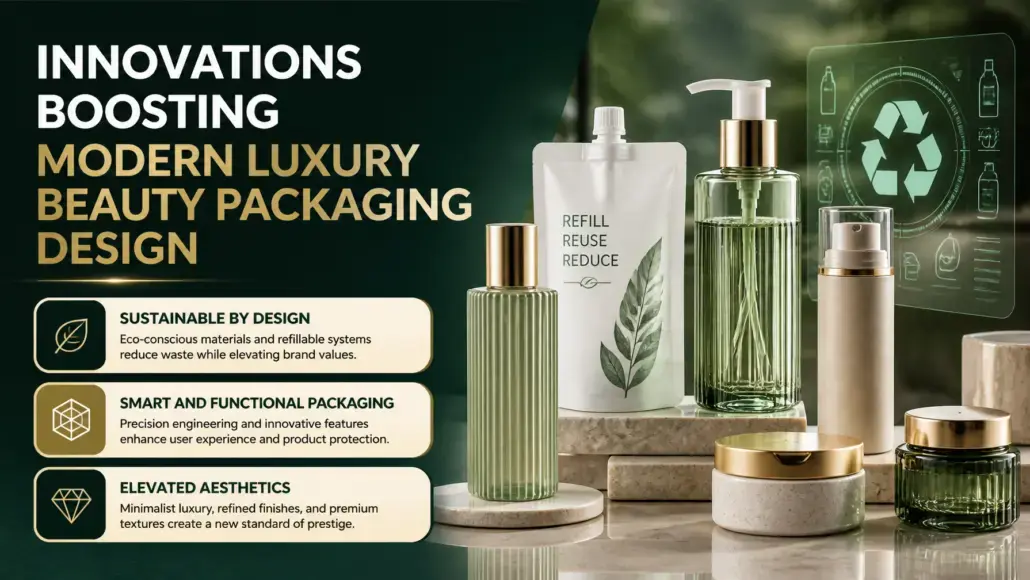

The definition of prestige in the cosmetic industry is undergoing a profound transformation as we move through 2026. For decades, high-end aesthetics were synonymous with weight, excess, and an abundance of non-recyclable materials. Today, the sector is establishing new advanced modern luxury beauty packaging design standards that prioritize sophisticated engineering and material innovation over mere visual opulence. As the global cosmetic packaging market is estimated to reach significant new heights by 2031, with a 2026 valuation projected near USD 31.68 billion, the luxury segment is leading the charge in defining what premium means in a resource-conscious world.
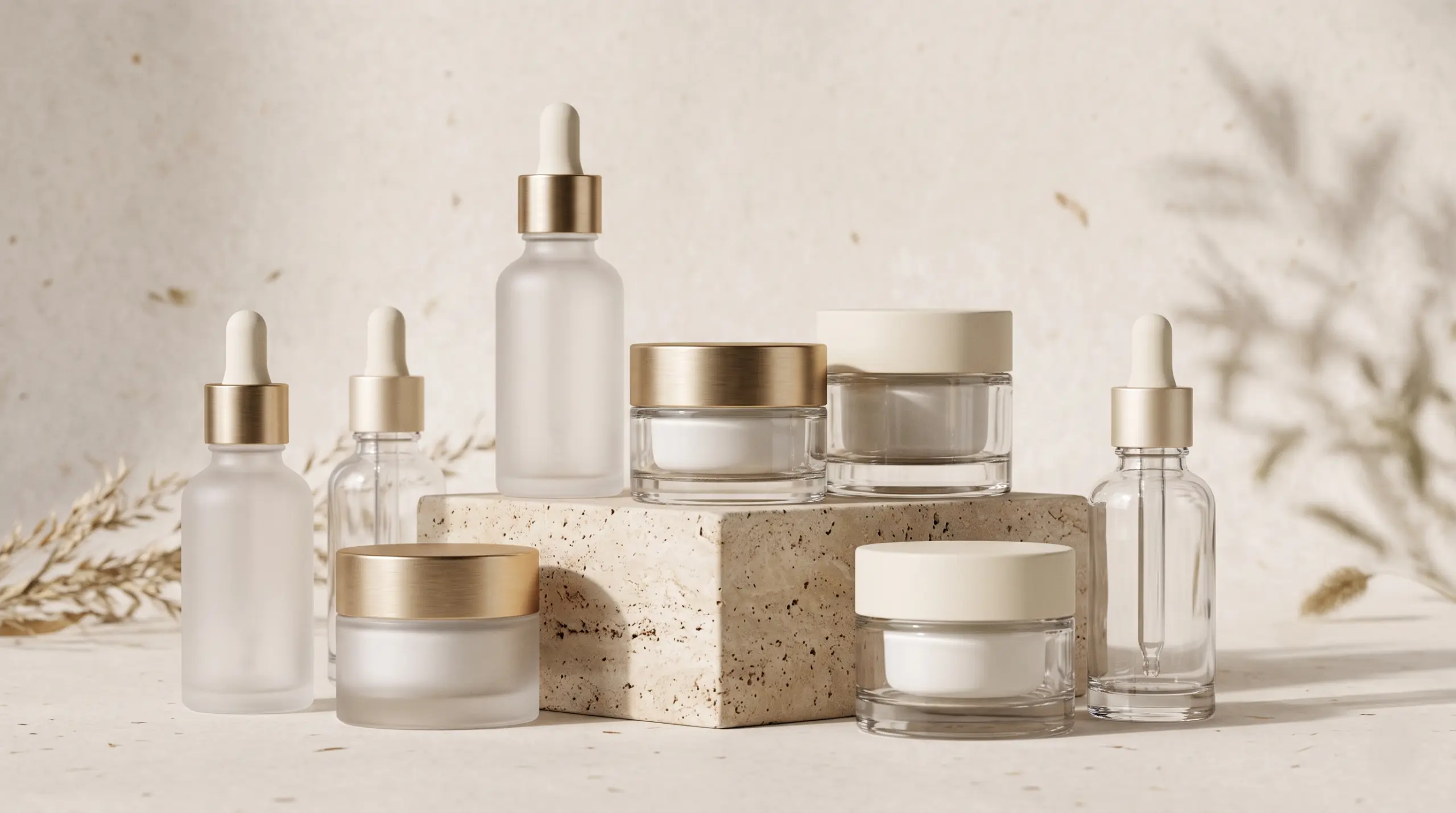
Modern luxury brand identity is now built on a foundation of substance and durability. The era of thin, disposable plastics is being replaced by a preference for durable beauty materials that offer a superior tactile experience. Consumers at the highest price points now expect their purchases to feel substantial and permanent. Packaging World Insights observes that this has led to a surge in the use of bespoke glass bottles that utilize heavy-walled construction to convey a sense of timeless quality. These containers are often designed to be kept for years, serving as decorative objects on a vanity rather than items destined for the waste bin. The move toward heavier glass is a strategic decision that aligns with the psychology of the luxury consumer. Research into consumer behavior has shown that weight is often perceived as a direct indicator of value and efficacy in the skincare and fragrance categories.
Sophisticated Aesthetics and Material Innovation
The visual language of luxury is moving toward a more refined and understated palette. According to industry analysis from Berlin Packaging regarding 2026 packaging trends, there is a marked shift toward textured papers, natural fibers, and metallic foils that add depth without unnecessary bulk. These materials allow brands to create a multi-sensory experience that begins the moment a customer touches the box. The use of soft beiges, muted greys, and sophisticated off-whites creates a sense of calm and exclusivity that resonates with the modern high-end consumer.
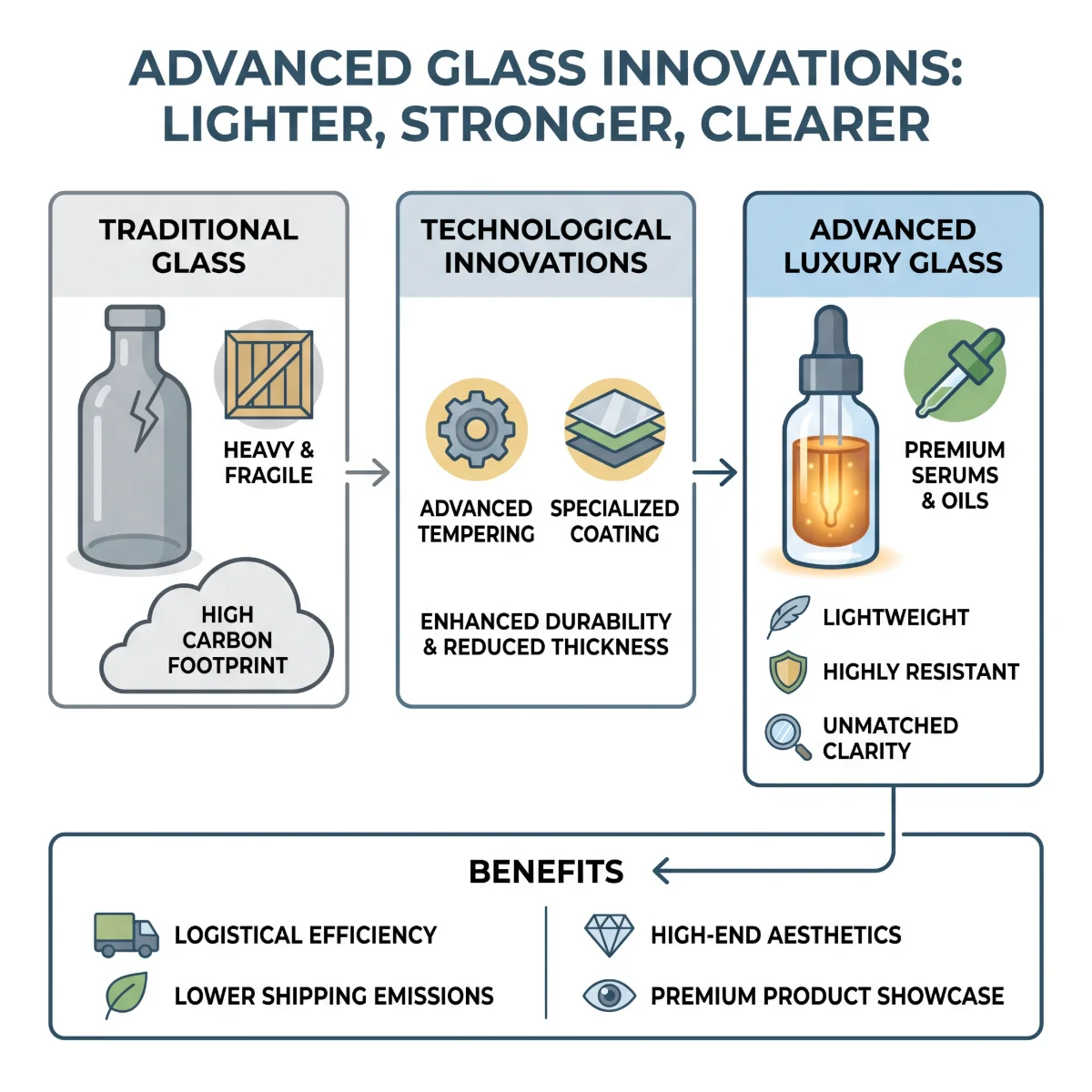
Technological advancements in glass manufacturing have also enabled the creation of lighter but stronger formats. This innovation is critical for reducing the carbon footprint associated with shipping heavy luxury items. By using advanced tempering and coating techniques, manufacturers can produce glass that is highly resistant to breakage while remaining remarkably clear. This clarity is essential for showcasing the complex colors and textures of premium serums and oils. The result is a container that offers the high-end aesthetics consumers demand while addressing the logistical and environmental challenges of the modern supply chain.
The Integration of Functionality and Prestige
Luxury is no longer just about the way a product looks. It is increasingly about how it performs. The integration of high-performance components is a key element of sophisticated packaging design in 2026. This includes everything from magnetic closures that provide a satisfying click to precision-engineered hinges that operate with smooth, silent resistance. These small details are what differentiate a truly premium product from a standard one. They communicate a level of care and attention to detail that justifies a higher price point.
While the visual identity of a brand is solidified through its luxury beauty packaging, the functional success of the product often relies on the integration of advanced precision dispensing systems for beauty products. This synergy between the outer casing and the inner mechanism is where the most significant innovations are occurring. Brands are working closely with engineering partners to ensure that the dispensing experience is as luxurious as the packaging itself. Whether it is a pump that delivers the perfect dosage with minimal effort or a dropper that prevents even a single drop of a precious formula from being wasted, performance is now a core pillar of the luxury standard.
Case Studies in Modern Luxury Leadership
Major global companies are setting the pace for these new standards through high-profile launches and strategic partnerships. Aptar, a leader in the dispensing and packaging space, has recently made headlines with its patented reloadable airless innovation developed for Clarins. This project demonstrates how a brand can maintain its luxury status while significantly reducing its environmental impact. By using a durable outer shell and a replaceable internal cartridge, the system offers a premium experience that encourages long-term consumer loyalty. This development earned a 2026 DIELINE award, highlighting its importance as a benchmark for the rest of the industry.
Other leaders like Estée Lauder and L’Oréal are also investing heavily in bespoke solutions that reinforce their luxury brand identity. These organizations, with their global reach and thousands of employees, have the resources to pioneer new materials and manufacturing techniques. Their move toward lightweight luxury and sustainable refills is a clear signal that the prestige market is moving away from the “more is more” philosophy of the past. Instead, they are focusing on “better is more,” where every element of the package is scrutinized for its contribution to the overall user experience and its long-term viability.
Digital Integration in the Prestige Sector
The high-end market is also embracing digital features to enhance the sense of exclusivity and security. While not always visible to the naked eye, technologies like NFC and QR codes are being integrated into luxury beauty packaging to provide authentication and personalized content. This allows a customer to verify that their purchase is genuine, which is a major concern in a global market where counterfeit luxury goods remain a persistent problem. Furthermore, these digital links can offer a gateway to exclusive brand experiences, such as personalized skincare consultations or early access to new product launches.
This digital layer adds a new dimension to the sophisticated packaging design that defines the modern era. It bridges the gap between the physical product and the brand’s digital ecosystem, creating a more cohesive and engaging consumer journey. For professional beauty brands, this level of connectivity is a powerful tool for gathering data on consumer behavior and preferences, which can then be used to inform future product and packaging developments. It is a clear example of how technology is being used to enhance rather than replace the traditional elements of luxury.
Future Outlook for Luxury Standards
As we look toward 2027 and beyond, the standards for luxury beauty packaging will continue to evolve. The focus will likely shift even further toward inclusivity and accessibility, ensuring that premium products can be enjoyed by all consumers regardless of their physical abilities. This includes the development of easy-to-open closures and clear, tactile markings that aid those with visual impairments. Inclusive design is becoming a hallmark of a truly sophisticated brand that values all its customers. This shift is being driven by a growing awareness of the needs of an aging global population and a desire to make luxury products more accessible to everyone.
In 2025 and 2026, there has been an increase in the number of brands incorporating universal design principles into their packaging:
- Key accessibility features include high-contrast labeling for readability, ergonomic easy-grip shapes, and tactile cues for touch identification.
- Seamless integration of these features into luxury aesthetics proves that function and style can successfully coexist.
- Brands are expanding their market reach and building deeper connections with a more diverse consumer base by making products easier to use.
- This holistic design approach establishes a new, growing standard of excellence for the future of the beauty industry.
The commitment to durable beauty materials and circular design will also remain a top priority. The industry is exploring new ways to utilize recycled materials in a way that does not compromise the premium feel of the product. This includes the use of chemically recycled plastics that offer the same clarity and strength as virgin material, as well as the development of new bio-based resins that can be molded into complex, high-end shapes. The goal is to create a luxury experience that is both indulgent and responsible, proving that the two are not mutually exclusive.
In this competitive landscape, the brands that succeed will be those that can successfully balance these competing demands. They will need to innovate constantly while remaining true to their core identity. The new standards for luxury are demanding, but they also offer a wealth of opportunities for those willing to lead the way. Packaging World Insights believes that by prioritizing quality, performance, and sustainability, the luxury beauty packaging sector is ensuring its continued relevance in a rapidly changing world. The containers of the future will be more than just vessels for cosmetics. They will be symbols of a brand’s values and its commitment to excellence in every detail.
References
- “Top 5 Cosmetics Packaging Trends for 2026” – Berlin Packaging
- “10 Notable Packaging Trends For 2026” – Vistaprint
- “Aptar Advances Sustainability Features in Luxury Packaging” – Aptar
- “The Future of Beauty Packaging” – Mintel
- “Cosmetic Packaging Market Outlook & Growth Trends 2031” – Mordor Intelligence