














The Creative Frontier: Digital Printing in Beverage Packaging Design
The landscape of beverage branding is currently undergoing a profound metamorphosis, driven by the rapid maturation of digital printing technologies. For decades, the industry was tethered to the physical constraints and high setup costs of flexographic and rotogravure printing. Today, digital printing in beverage packaging design is dismantling these barriers, offering a level of agility and creative freedom that was once considered impossible. This transition is not merely a change in ink application; it is a fundamental shift in how brands communicate with their audiences, manage their inventories, and launch new products into an increasingly fragmented marketplace.
Breaking the Chains of Traditional Plate Production
One of the most immediate advantages of digital printing in beverage packaging design is the elimination of printing plates. In traditional workflows, every design change or new SKU required the time-consuming and expensive creation of physical plates. This created a significant “minimum order quantity” (MOQ) barrier that effectively locked out smaller producers and stifled the creative experimentation of larger ones. Digital printing removes this overhead, allowing for “direct-to-substrate” application. This means that a production run of ten thousand bottles can theoretically feature ten thousand unique designs without adding a single cent to the setup costs.
This flexibility is a game-changer for seasonal marketing and regional tailoring. A beverage brand can now launch a limited-edition summer series with graphics that reflect local festivals or sporting events, and then pivot to a completely different design for the autumn season within days. The speed to market is accelerated from months to weeks, enabling brands to react to cultural trends and consumer behaviors in real-time. This responsiveness is the new currency of brand loyalty in the digital age, where consumers expect products to reflect their current interests and values.
Hyper-Personalization and the Power of One
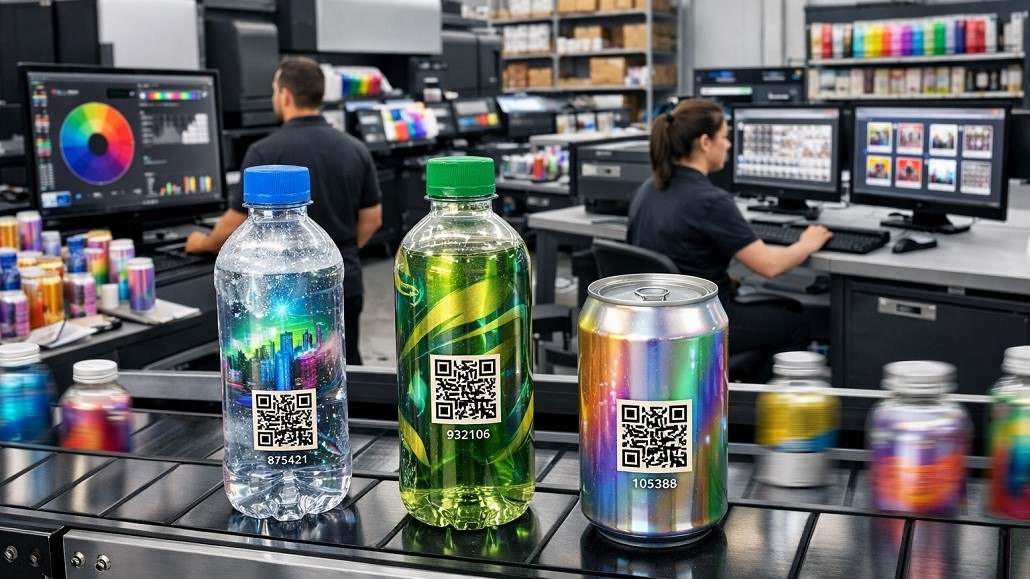
Digital printing in beverage packaging design has paved the way for hyper-personalization, a trend that is redefining consumer engagement. Large-scale campaigns where consumers can find their own names on a bottle were just the beginning. The latest advancements allow for even deeper levels of customization, such as printing unique QR codes that lead to personalized digital content or using variable data to include localized information about the beverage’s origin. This creates a one-on-one dialogue between the brand and the consumer, turning a mass-produced item into a personal artifact.
This capability is particularly potent for the craft sector and premium spirits, where the story behind the product is as important as the product itself. By utilizing digital printing in beverage packaging design, a distillery can print individual bottle numbers, distillation dates, and even the signature of the master distiller directly onto the label with perfect clarity. This transparency builds trust and perceived value, justifying premium price points and fostering a sense of exclusivity. In a world where consumers are increasingly wary of generic marketing, the ability to offer a “personalized” experience at scale is a significant competitive advantage.
Vibrant Graphics and Unmatched Visual Fidelity
The aesthetic potential of digital printing in beverage packaging design is another area where the technology shines. Modern digital presses use advanced color management systems that can achieve a wider gamut than traditional methods. This results in more vibrant hues, smoother gradients, and higher resolution for complex photographic elements. The clarity of the text and the precision of the lines remain consistent across the entire production run, ensuring that the brand’s visual identity is never compromised by the limitations of the printing medium.
Furthermore, digital technology allows for the integration of specialized finishes such as tactile varnishes, metallic foils, and matte effects in a single pass. These sensory elements are critical in the beverage aisle, where shelf appeal is determined in the blink of an eye. A label that feels premium to the touch or catches the light in a unique way is far more likely to be picked up by a consumer. By leveraging digital printing in beverage packaging design to create these multi-sensory experiences, brands can elevate their products from commodities to premium lifestyle choices.
Short Run Efficiency and Waste Reduction
From an operational perspective, digital printing in beverage packaging design is a powerful tool for sustainability and waste reduction. Traditional printing often leads to “over-ordering” to reach the necessary price breaks, resulting in thousands of obsolete labels or containers that eventually end up in landfills when a design is updated or a product is discontinued. Digital printing’s efficiency with short runs allows companies to adopt a “just-in-time” approach to their packaging. They can print exactly what they need for a specific production batch, significantly reducing inventory costs and environmental waste.
This efficiency also extends to the printing process itself. Digital presses generate less chemical waste and use less energy during setup compared to traditional presses. As beverage brands face increasing pressure from regulators and consumers to reduce their environmental footprint, the adoption of digital printing in beverage packaging design is an easy and effective way to demonstrate a commitment to sustainable practices. It is a win-win scenario where better business results and better environmental outcomes go hand-in-hand.
Accelerating New Product Launches and Innovation
The ability to prototype and test new designs quickly is perhaps the most strategic benefit of digital printing in beverage packaging design. Innovation is inherently risky, but digital printing lowers the “cost of failure.” A brand can produce a small batch of a new experimental flavor with high-quality packaging to test on a limited regional scale. If the product is a success, they can scale up instantly. If it fails, they have not lost millions in pre-printed inventory. This “fail-fast, learn-fast” mentality is essential for staying ahead in a market that is constantly being disrupted by new entrants and changing tastes.
Digital printing also enables “versioning,” where a core product can have multiple packaging variations to target different demographic segments. For example, an energy drink might have one design focused on extreme sports for a younger audience and another design focused on wellness and recovery for an older one. By using digital printing in beverage packaging design to tailor the visual message to specific consumer groups, brands can increase the relevance and impact of their marketing efforts without the complexity of managing multiple physical plate sets.
The Convergence of Physical and Digital Worlds
As we look toward the future, digital printing in beverage packaging design will become even more integrated with “smart” packaging technologies. The high-resolution capabilities of digital presses allow for the inclusion of microscopic digital signatures and “invisible” watermarks that can be read by specialized scanners or smartphones. This provides a bridge to the digital world, where the package acts as a launchpad for augmented reality (AR) experiences, loyalty programs, and blockchain-verified supply chain data. The package is no longer a static object; it is a dynamic, interactive media channel.
In conclusion, digital printing in beverage packaging design is more than just a technological upgrade; it is a catalyst for a broader transformation in brand strategy and consumer engagement. By offering unmatched flexibility, personalization, and visual quality, it is empowering beverage companies to be more creative, more responsive, and more sustainable. As the technology continues to evolve and the costs continue to fall, the “digital-first” approach to packaging will soon become the standard for the entire industry, ensuring that every bottle and can tells a unique and compelling story to the person who holds it.