





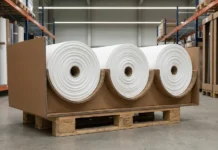









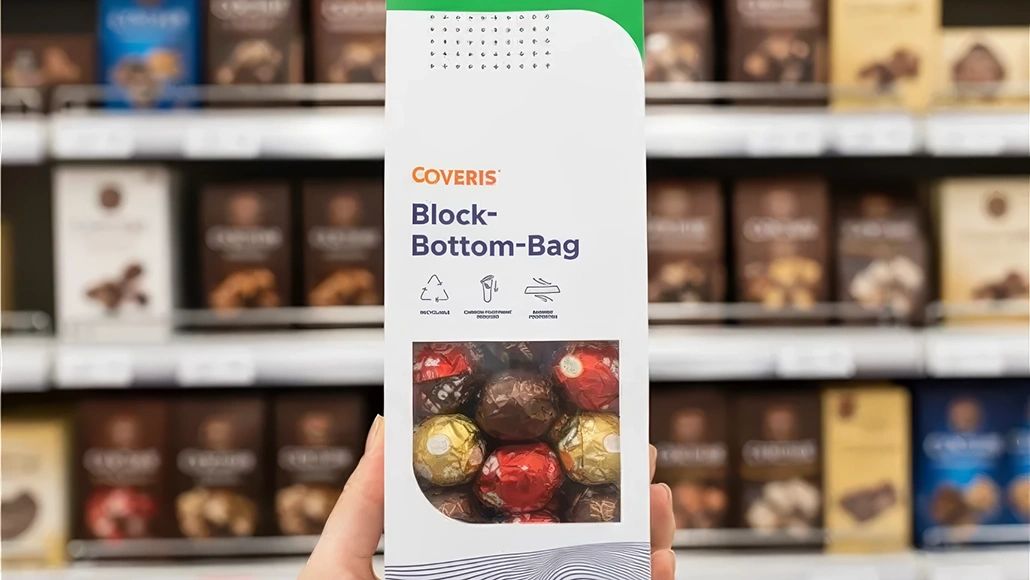

pladis Global has gone ahead and collaborated with Coveris in order to roll out completely recyclable paper-based packaging when it comes to its US confectionery products, hence replacing the present non-recyclable OPP/paper block bottom bags.
The move indeed affects the secondary packaging, which is used throughout the US confectionery portfolio of pladis, which also includes the well-known supermarket brands like McVitie’s, Demet’s Turtles, and Flipz. This move marks a practical step toward circular packaging while at the same time maintaining shelf performance along with production efficiency.
The new pre-made block bottom bags are going to be paper-based and will be designed for recyclability in the established recycling streams. They had been developed in sync with circular design guidelines and also tested in order to meet operational as well as visual needs in terms of high-volume confectionery lines.
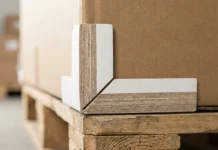
As per the companies, one of the major challenges that has been addressed was that of fibre cracking within the side gusset areas, which apparently is a common issue with paper packaging formats. The redesigned structure enhances the strength and look, hence helping the bags to retain their shape as well as the print quality through transport, handling, and of course, shelf display.
From the viewpoint of retail, the packaging goes on to offer an upright stability, consistent branding, and dependable sealing, while also remaining compatible with the present packing lines. This combination enables the brands to enhance the sustainability credentials without causing any sort of disruption in the supply chains or, even for that matter, altering the on-shelf presentation.
This switch also puts light on a much wider shift among the packaged food brands in the supermarkets wherein packaging recyclability is increasingly treated as a baseline need and not a differentiator. It is well to be noted that confectionery suppliers are under constant and growing pressure to sync along with retailer anticipations when it comes to waste reduction, material choice, and circularity.
The change also goes on to support wider supermarket sustainability strategies as the grocery retailers continue to tighten the packaging benchmarks throughout branded as well as private label ranges. Recyclable paper-based packaging formats, which go on to meet recyclability criteria while at the same time maintaining product protection, are indeed becoming a preferred choice across multiple grocery categories.
When it comes to Coveris, the partnership also strengthens its position of being a packaging supplier that is capable of rolling out paper alternatives at a commercial scale. For pladis, it also shows how branded manufacturers are going ahead and adapting packaging formats in response to the retailer needs, consumer anticipations, and also long-term sustainability objectives.
The companies went on to indicate that further development work is still taking place, with next-generation formats already under assessment as part of longer-term packaging roadmaps.