






















The current industrial landscape is characterized by a significant and accelerating shift in the way products are designed, manufactured, and delivered to the end consumer. This evolution is not merely a response to market trends but is increasingly dictated by a rigorous and complex set of international and regional mandates. As governments worldwide attempt to address the mounting challenges of environmental degradation and consumer safety, the packaging regulations impact is being felt across every layer of the global supply chain. For manufacturers, compliance is no longer a peripheral task managed by a small legal team; it has become a central strategic pillar that influences material selection, production line design, and long-term capital investment. The ability to navigate these shifting requirements with agility and foresight is now a primary determinant of a company’s ability to compete on a global scale.
The Paradigm Shift Toward Circular Economy Mandates
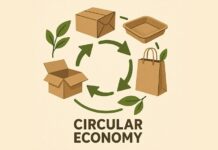
One of the most profound ways in which the packaging regulations impact is manifesting is through the widespread adoption of circular economy principles in legislation. In the past, the management of packaging waste was often left to the discretion of local municipalities and individual consumers. However, new Extended Producer Responsibility (EPR) schemes are fundamentally altering this dynamic by shifting the financial and logistical burden of waste management back onto the manufacturer. These policies require companies to pay fees based on the volume and type of material they place on the market, creating a direct financial incentive to minimize waste and maximize recyclability. This has forced a major rethink of product design, leading to the phasing out of multi-material laminates that, while historically cost-effective, are notoriously difficult to process in traditional recycling streams.
Harmonisation and the Complexity of Global Trade
For multi-national corporations, the lack of uniformity in international packaging standards has traditionally been a major source of operational friction. However, we are currently seeing a concerted effort by international bodies and regional trade blocs to harmonize these requirements. This movement toward global packaging standards is intended to facilitate smoother trade and reduce the administrative burden on manufacturers. Yet, the transition period remains incredibly challenging. A manufacturer producing a single product for fifty different markets may still find itself navigating fifty slightly different sets of rules regarding labeling, material thickness, and chemical composition. This complexity is driving a trend toward “compliance by design,” where products are developed from the outset to meet the most stringent set of requirements in the world, ensuring that they can be sold anywhere without modification.
The Decisive Influence of Single-Use Plastic Restrictions
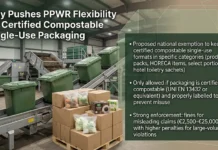
The global movement against single-use plastics represents perhaps the most immediate and visible packaging regulations impact on manufacturing. From the European Union’s Single-Use Plastics Directive to similar bans across Asia and North America, the list of prohibited or restricted items is growing every year. These bans have created an urgent vacuum that must be filled by innovative alternatives, such as bio-based polymers, high-performance paper structures, and reusable delivery models. For manufacturers, this is not a simple “drop-in” replacement task. Switching from a plastic-based tray to a molded fiber one requires significant changes to the speed and temperature settings of the production line, and often necessitates the purchase of entirely new equipment. This transition represents a major strategic pivot for companies that have built their business models on the efficiency and low cost of traditional plastics.
Enhancing Transparency Through Labeling and Safety Standards
Beyond the environmental aspects, a significant portion of the legislative landscape is focused on the protection of the consumer through increased transparency and safety. The requirements for labeling accuracy have become much more demanding, particularly in the sectors of food, beverage, and pharmaceuticals. New laws mandate the clear disclosure of allergens, nutritional data, and traceability information in highly specific formats. The packaging regulations impact here involves the integration of high-resolution digital printing and automated inspection systems that can verify the accuracy of every single label at production speeds that can exceed several hundred units per minute. This level of oversight is essential for preventing the catastrophic financial and reputational damage associated with mislabeling recalls.
Chemical Safety and the Phase-Out of Restricted Substances
The safety of the materials that come into direct contact with consumable goods is under more intense scrutiny than ever before. There is an expanding global list of restricted substances, including specific phthalates, bisphenols, and per- and polyfluoroalkyl substances (PFAS), which are being phased out due to their potential long-term health risks. Manufacturers must now implement rigorous testing protocols to ensure that no harmful chemicals are migrating from the package into the product. This requirement has fundamentally changed the relationship between manufacturers and their material suppliers. Transparency regarding the chemical composition of raw materials is no longer a request but a non-negotiable requirement of doing business. The packaging regulations impact is thus creating a much more integrated and transparent supply chain, where every ingredient is accounted for and verified.
Serialisation and the Battle Against Counterfeit Goods
In high-value industries like luxury goods and pharmaceuticals, serialization has become a legal mandate in many parts of the world. To combat the rising tide of counterfeit products, which can pose a significant danger to public health, every individual package must now carry a unique, machine-readable code. Implementing these systems requires a complete digital transformation of the production floor. Data must be captured and uploaded to secure databases at the point of manufacture, and this data must remain accessible throughout the entire distribution network. The packaging regulations impact in this context is as much about IT infrastructure and cybersecurity as it is about physical machinery, requiring manufacturers to become as proficient in data management as they are in industrial engineering.
Operational Resilience and the Cost of Strategic Compliance
For the modern manufacturer, the cost of non-compliance is far higher than the cost of implementing the necessary changes. The financial risks go far beyond simple fines; they include the seizure of goods at borders, the banning of products from entire regional markets, and the permanent loss of consumer trust. This reality is driving a strategic shift where regulatory compliance is integrated into the very beginning of the product lifecycle. Forward-thinking companies are now using regulatory trends as a “predictive tool,” identifying future mandates before they are enacted and using that information to drive their research and development efforts. This proactive approach allows them to stay ahead of the competition and to turn the packaging regulations impact into a source of competitive advantage.
The Role of Technology in Managing Regulatory Complexity
As the volume of regulations increases, the manual management of compliance is becoming impossible. Manufacturers are increasingly turning to sophisticated software solutions, such as Product Lifecycle Management (PLM) and Enterprise Resource Planning (ERP) systems, to track their regulatory status in real-time. These tools allow for the automated generation of compliance documentation and provide a centralized “single source of truth” for all packaging-related data. Furthermore, the use of “Digital Twin” technology allows manufacturers to simulate the impact of new regulations on their production lines before they are physically implemented. This reduces the risk of costly downtime and ensures that the transition to new materials or formats is as smooth as possible.
Future Outlook: A Landscape of Continuous Adaptation
Looking forward, the regulatory environment is only expected to become more demanding. The focus is already shifting toward the measurement and reporting of the “carbon footprint” of individual packages, which will likely lead to new types of carbon-based taxation. The packaging regulations impact of the future will require an even deeper level of data integration, where manufacturers must account for the energy used in the extraction of raw materials, the production process, and the final disposal of the package. This transition to a “low-carbon” manufacturing strategy will define the next decade of industrial growth, rewarding those companies that have invested in energy efficiency and sustainable material science.
Conclusion: Compliance as the Foundation of Modern Industry
The influence of packaging mandates on manufacturing strategies represents a permanent shift in the global industrial order. What was once seen as a series of bureaucratic hurdles has evolved into a fundamental driver of innovation and excellence. By embracing the challenges posed by the packaging regulations impact, manufacturers are not only ensuring their legal survival but are also building more efficient, transparent, and sustainable businesses. The integration of regulatory foresight into the heart of corporate strategy allows firms to build a resilient foundation that can withstand the pressures of a rapidly changing world.
As we move toward a future where transparency and accountability are non-negotiable, the role of packaging will continue to expand. It will be the primary vehicle for communicating a brand’s commitment to safety, sustainability, and quality. For the manufacturer, the path forward is clear: success will be measured not just by the volume of goods produced, but by the integrity and compliance of every package that leaves the facility. The commitment to excellence in the face of regulatory complexity is what will distinguish the market leaders of the next generation from the rest of the pack. The transformation is well underway, and it is reshaping the world of manufacturing for the better.