









The modern marketplace is more crowded and fragmented than ever before. With thousands of products vying for attention on physical shelves and digital screens, the traditional “one-size-fits-all” approach to packaging is no longer sufficient for brands looking to achieve sustained growth. To cut through the noise, companies are increasingly turning to custom packaging solutions as a primary tool for brand differentiation. This shift is driven by a deep understanding of the consumer’s desire for a personalized and meaningful connection with the brands they choose to support. A custom package is not just a container; it is a powerful communication vehicle that tells a story, reflects a set of values, and creates a memorable “unboxing” experience that can turn a one-time buyer into a lifelong advocate.
The Strategic Importance of the First Impression
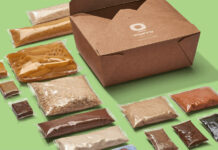
In the world of retail, the first physical touchpoint a customer has with a brand is often the package itself. This “moment of truth” can determine whether a consumer perceives a product as a premium offering or a generic commodity. Custom packaging solutions allow brands to take total control over this interaction. By utilizing unique shapes, vibrant colors, and high-quality tactile finishes, a brand can create a sense of anticipation and excitement. Whether it is the satisfying “clunk” of a heavy-magnetized lid or the delicate feel of textured, eco-friendly paper, these sensory details work together to create a perception of value that goes far beyond the product itself. In a competitive market, the “unboxing” has become a vital part of the product’s performance.
Personalization and the Connection to the Individual
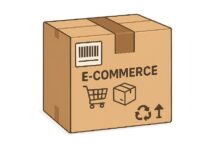
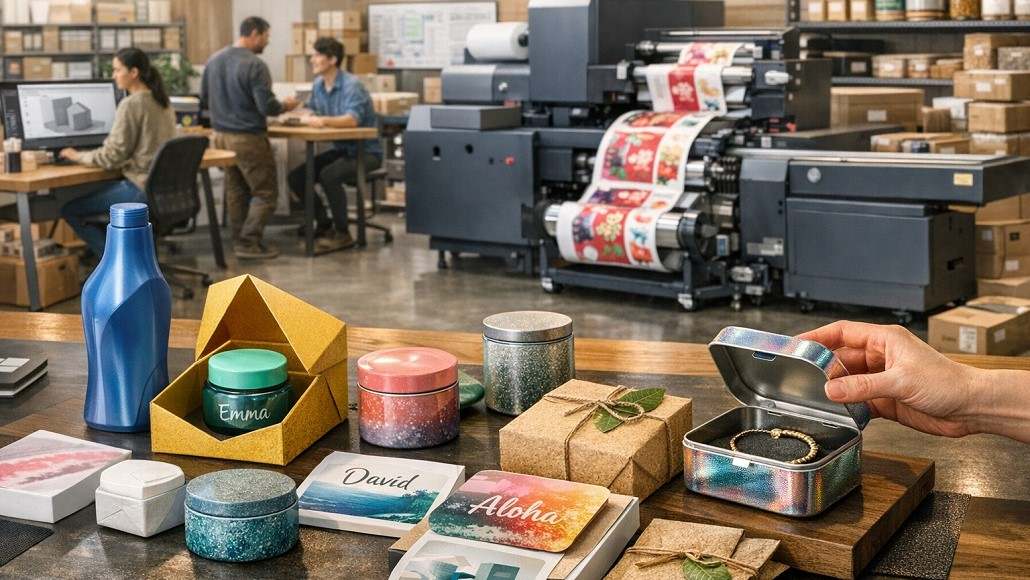
Perhaps the most significant trend within the industry is the move toward extreme personalization. Advances in digital printing technology have made it possible to create custom packaging solutions in short production runs, allowing for “limited edition” designs, regional variations, or even packages that feature the individual consumer’s name. This level of personalization makes the customer feel seen and valued, fostering a deep emotional connection that is difficult for mass-produced brands to replicate. This strategy is particularly effective in the world of e-commerce and direct-to-consumer (DTC) models, where the package is the only physical link between the brand and the buyer.
Structural Innovation as a Brand Signature
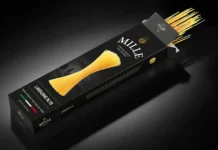
While graphics and printing are important, the physical structure of the package is a powerful tool for differentiation. Custom packaging solutions often involve the development of unique, proprietary shapes that become a signature of the brand. Think of the iconic shape of a certain soft drink bottle or the distinct triangular box of a well-known chocolate bar. These structural choices are not just aesthetic; they are often functional, providing a better grip, an easier way to pour, or a more efficient way to store the product. When a brand owns a unique physical form, it becomes much more difficult for competitors to mimic their presence on the shelf, creating a “moat” of brand identity.
Technological Enablers of Customization and Flexibility
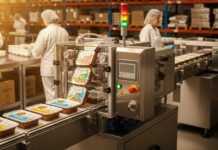
The rise of custom packaging solutions has been made possible by a revolution in manufacturing technology. In the past, creating a custom design was a slow and expensive process that required massive order volumes to be economically viable. Today, the integration of digital design tools and high-speed digital printing has drastically lowered the barrier to entry. Brands can now experiment with different designs, test new markets, and respond to cultural trends in real-time. This agility is a key competitive advantage in a fast-moving economy where consumer preferences can change overnight.
Digital Printing and the Power of Short Runs
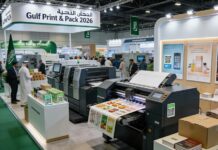
Digital printing is the real game-changer for custom packaging solutions. Unlike traditional flexographic or offset printing, which require the creation of expensive physical plates, digital printing works directly from a computer file. This allows for “on-demand” production and virtually unlimited design variations. A brand can create a special holiday-themed package for a single weekend event or a co-branded box for a specific influencer campaign. This level of flexibility allows for more targeted marketing and reduces the risk of being stuck with obsolete inventory. The “short run” is no longer a logistical headache; it is a strategic opportunity.
Prototyping and the Reduction of Time-to-Market
The use of 3D printing and digital prototyping has also transformed the design process for custom packaging solutions. Designers can now create physical models of a new container in a matter of hours, allowing for rapid testing of its ergonomics, durability, and visual appeal. This iterative design process ensures that the final package is perfectly optimized before it goes into full production. By reducing the “trial and error” phase, brands can bring new products to market much faster, allowing them to capitalize on emerging opportunities and stay ahead of the competition. Innovation is now measured in days and weeks, rather than months and years.
Sustainability as a Core Brand Value
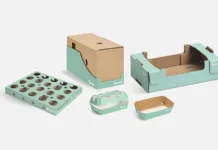
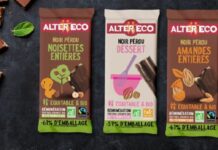
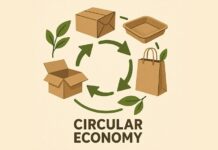
In the modern era, a brand’s commitment to the environment is a primary factor in consumer choice. Custom packaging solutions are increasingly being used to communicate these green credentials. Brands are moving away from excess “over-packaging” and toward minimalist designs that use renewable, recycled, or compostable materials. A custom box made from recycled ocean plastic or a pouch made from seaweed-based film tells a powerful story about the brand’s mission. By choosing materials that align with their values, companies can build a “community of the concerned,” where the act of purchasing becomes a statement of shared purpose.
Designing for a Second Life
One of the most creative aspects of custom packaging solutions is the focus on “upcyclability.” Brands are designing their packages to have a useful life long after the product inside has been used. A high-quality custom tin might become a storage container for a kitchen, or a beautifully designed box might become a decorative item for a home office. This “second life” ensures that the brand remains a constant, positive presence in the consumer’s life, providing an ongoing return on the initial investment in packaging. When a package is too beautiful to throw away, the brand has truly succeeded in differentiating itself.
The Role of Transparency and Honest Labelling
Customization also extends to the way information is presented. Modern consumers value transparency and “clean” labeling. Custom packaging solutions allow brands to prioritize the information that matters most to their specific audience. Whether it is a detailed breakdown of the supply chain, a list of ethically sourced ingredients, or a clear guide on how to recycle the package, the way this information is presented is a key part of the brand’s personality. By providing clear, honest, and easy-to-read information, brands can build a sense of trust and reliability that is essential for long-term loyalty.
Conclusion: The Package as the Ultimate Brand Ambassador
The evolution of custom packaging is a clear reflection of the shift toward a more human-centric and personalized economy. We are moving away from a world of mass consumption and toward a world of curated experiences. In this new landscape, the package is no longer a secondary concern; it is the ultimate brand ambassador. The various custom packaging solutions available today from digitally printed labels to unique structural forms provide brands with an infinite canvas for creativity and connection.
For the manufacturer and the marketer, the message is clear: the package is the product’s first and last opportunity to make a connection. By investing in customization, companies can ensure that they are not just selling a “thing,” but providing a meaningful and memorable experience. The brands that will lead the next decade are those that understand that the details matter, that the “unboxing” counts, and that every package is an opportunity to tell a unique story. The future of the industry is custom, and the possibilities are limited only by the imagination.

