























The global shipping and logistics industry is currently navigating a period of profound transformation, driven by the dual pressures of rising energy costs and the urgent need for environmental sustainability. At the heart of this evolution is a fundamental rethink of how products are encased for travel. The deployment of lightweight packaging solutions has emerged as one of the most effective strategies for improving operational margins while simultaneously reducing the ecological footprint of global trade. By stripping away every gram of unnecessary weight without compromising the protective integrity of the container, manufacturers are unlocking unprecedented levels of efficiency in their transportation networks. This “less is more” philosophy is not just an environmental ideal; it is a calculated economic imperative that is reshaping the modern supply chain.
The Economic Impact of Weight Reduction in Logistics
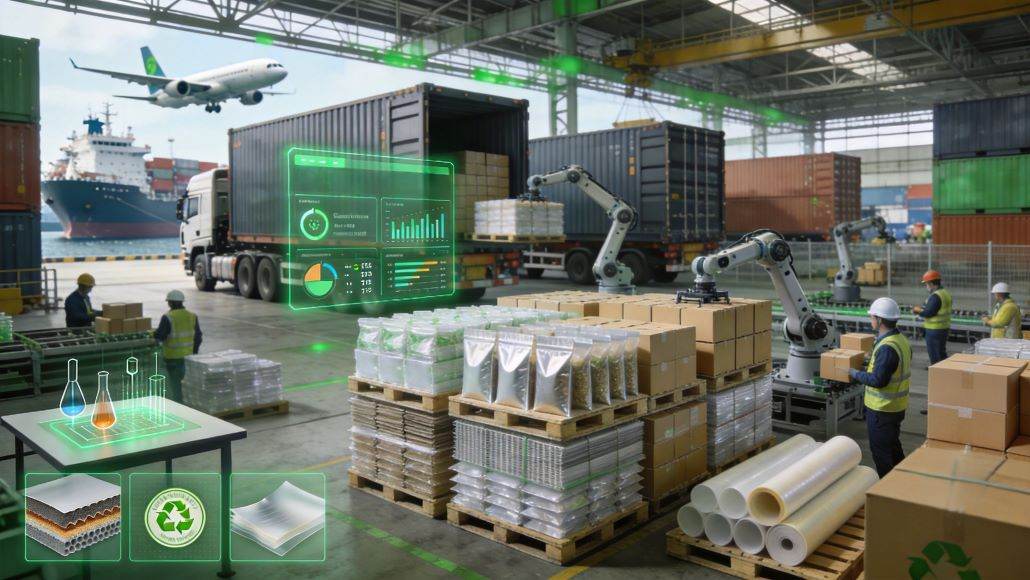
In a high-volume manufacturing environment, the weight of a single package might seem negligible. However, when multiplied by millions of units and thousands of shipping containers, the impact becomes staggering. Lightweight packaging solutions are designed to minimize the “dead weight” that a vehicle must carry, allowing for a higher ratio of product-to-package weight. This optimization has a direct and immediate impact on fuel consumption. Whether a product is traveling by air, sea, or road, every kilogram saved translates into a reduction in the energy required to move it. For global corporations, these marginal gains aggregate into millions of dollars in saved fuel costs and transportation fees every year.
Improving Pallet Density and Container Utilization
Beyond the weight of the individual unit, the geometry and material efficiency of the package play a crucial role in how well a shipping container can be utilized. Lightweight packaging solutions often involve a transition from thick, heavy rigid materials to high-performance flexible films or thin-walled corrugated structures. These materials often take up less physical space, allowing for more products to be packed onto a single pallet. Improving pallet density means that fewer trucks are needed to move the same volume of goods, which not only lowers direct transportation costs but also reduces the congestion and wear-and-tear on our global infrastructure. The ability to “cube out” a container before it “weighs out” is the ultimate goal of any logistics professional.
Enhancing Handling Speed and Worker Safety
The benefits of lightweighting are not confined to the vehicles themselves; they also extend to the human workers and automated systems that handle the packages at every touchpoint. Lightweight packaging solutions make it easier and faster for warehouse staff to pick, pack, and load shipments. This reduction in physical strain leads to lower rates of workplace injuries and a more productive workforce. In the world of automated sorting and robotic palletizing, lighter packages require less energy to move and put less stress on the mechanical components of the system. This leads to faster throughput and longer lifespans for expensive automation equipment, further contributing to the overall efficiency of the distribution center.
Material Science and the Engineering of Strength
A common misconception is that reducing the weight of a package must inherently lead to a reduction in its strength. However, the rise of lightweight packaging solutions is rooted in the advanced application of material science. Engineers are now using multi-layer extrusion and sophisticated polymer blends to create films that are thinner than a human hair yet possess incredible puncture resistance and tensile strength. Similarly, in the world of paper-based packaging, the development of high-strength micro-fluting allows for the creation of cardboard boxes that provide the same structural support as their heavier predecessors while using significantly less raw fiber.
The Shift from Rigid to Flexible Formats
One of the most visible trends in the industry is the massive migration from rigid glass or plastic bottles to flexible stand-up pouches. This shift is a primary driver of the growth in lightweight packaging solutions. A flexible pouch can weigh up to ninety percent less than a glass jar of the same capacity. Furthermore, empty flexible packages can be shipped in flat or rolled formats, requiring a fraction of the space and fuel needed to transport empty rigid containers. Once filled, these flexible formats conform to the product, eliminating the “air space” that often plagues rigid packaging. This transformation is proving to be a game-changer for sectors ranging from household chemicals to liquid food products.
Protective Performance Under Stress
To ensure that lightweight packaging solutions are up to the task, they must undergo rigorous testing in simulated environments. These tests replicate the vibrations, drops, and temperature fluctuations that occur during a typical international shipping journey. Using advanced software, designers can identify the exact points where a package is likely to fail and reinforce only those specific areas. This targeted approach to design ensures that the package is “lean” but not “weak.” The goal is to reach the “optimal point” of design, where the package uses the absolute minimum amount of material necessary to ensure that the product reaches the consumer in pristine condition.
Sustainability and the Reduction of Carbon Emissions
As the global community works toward the goals of the Paris Agreement, the transportation sector is under intense scrutiny. The implementation of lightweight packaging solutions is one of the most accessible “quick wins” for any company looking to lower its Scope 3 emissions. By reducing the weight of their shipments, companies are directly lowering the amount of CO2 released into the atmosphere by the vehicles carrying their products. This commitment to green logistics is increasingly important for building brand equity with an environmentally conscious consumer base. Sustainability is no longer a niche marketing feature; it is a core component of the brand promise.
The Lifecycle Benefit of Material Efficiency
The environmental benefits of lightweighting extend beyond the transportation phase. Using less raw material in the first place means that less energy is consumed during the extraction and manufacturing processes. Furthermore, when a package reaches the end of its life, there is simply less volume of material to be managed, whether through recycling, composting, or disposal. Lightweight packaging solutions thus contribute to a more sustainable lifecycle for the entire product. As global waste management systems become more strained, the “reduction” part of the “reduce, reuse, recycle” hierarchy has never been more important.
Regulatory Incentives for Lightweighting
Governments around the world are increasingly using financial instruments to encourage the adoption of lightweight packaging solutions. From “plastic taxes” based on the weight of the material used to “Extended Producer Responsibility” (EPR) schemes that penalize excessive packaging, the regulatory environment is designed to reward efficiency. Companies that proactively invest in lightweighting are not only lowering their operational costs but are also insulating themselves from the financial impact of these new mandates. In this context, innovation is not just about being “better”; it is about being legally and financially resilient in a changing world.
Conclusion: A Future of Precision Logistics
The drive toward lightweight packaging is a clear reflection of the broader trends in modern industry. We are moving toward a world of precision, where data and engineering are used to eliminate every form of waste. The continued evolution of lightweight packaging solutions is essential for creating a global supply chain that is both economically viable and environmentally responsible. As material science continues to advance, we can expect to see even more dramatic reductions in weight, coupled with even higher levels of protection.
For the manufacturer and the logistics provider, the path forward is one of continuous optimization. It requires a willingness to challenge old assumptions about what a package “should” look like and a commitment to investing in the latest technological advancements. By embracing the power of lightweighting, companies can ensure that they are ready for the challenges of the future, delivering their products to the world faster, cheaper, and more sustainably than ever before. The journey toward total transportation efficiency is well underway, and lightweight materials are leading the charge.