





















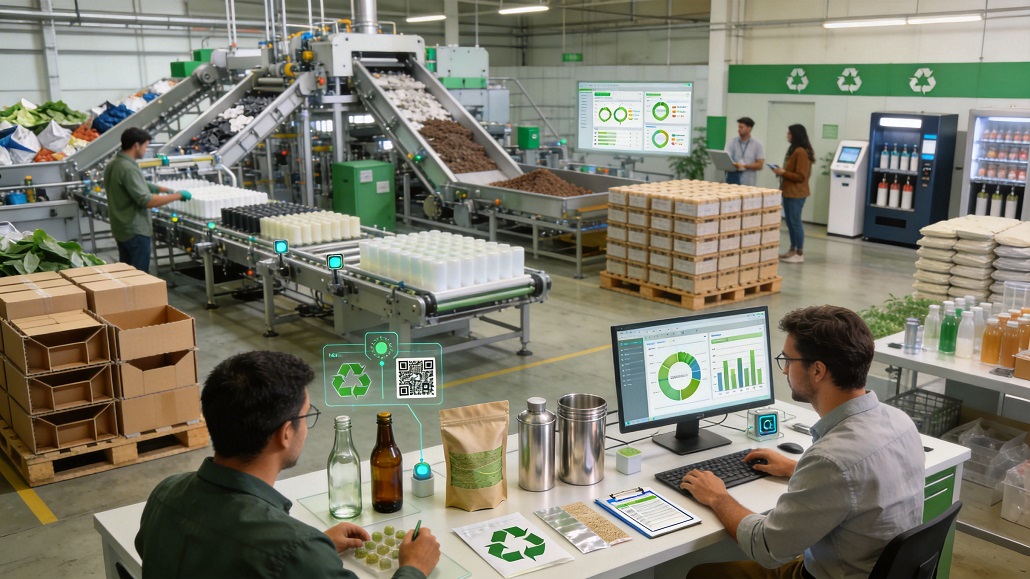
In the modern industrial era, the concept of a product’s package has evolved from a disposable container to a strategic asset that must be managed throughout its entire existence. As global resources become more constrained and environmental regulations tighten, the implementation of comprehensive packaging lifecycle management has become a critical priority for manufacturers and brands. This holistic approach involves analyzing every stage of a package’s life from the extraction of raw materials and the manufacturing process to its distribution, use, and ultimate disposal or recovery. By understanding the environmental and economic impacts at each touchpoint, companies can make informed decisions that improve resource efficiency, reduce waste, and create a more resilient and sustainable supply chain.
The Foundation of Life Cycle Assessment (LCA)
The first step in effective packaging lifecycle management is the application of Life Cycle Assessment (LCA) methodologies. This data-driven process allows designers to quantify the environmental footprint of different packaging options. An LCA evaluates factors such as energy consumption, water usage, greenhouse gas emissions, and the potential for waste generation across the entire lifecycle. For instance, a designer might use LCA data to compare the impact of a glass bottle versus a plastic pouch. While glass is highly recyclable, its high weight and the energy-intensive nature of its production might make it less sustainable than a lightweight plastic alternative in certain distribution scenarios. This level of granular analysis is essential for moving beyond “greenwashing” and making decisions based on scientific fact.
Designing for the End-of-Life from the Beginning
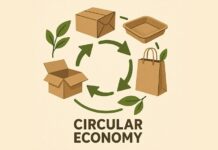
A key principle of packaging lifecycle management is the idea that the “end” of a package’s life should be determined at the very “beginning” of its design. In a traditional linear economy, the package is designed for a single use and then discarded. In a circular economy, the goal is to design for “disassembly” and “recovery.” This means selecting materials that are easily compatible with existing recycling streams and avoiding the use of adhesives, labels, or multi-material laminates that can contaminate the recycling process. By prioritizing “recyclability by design,” companies can ensure that their packaging remains a valuable resource rather than becoming a waste burden for future generations.
The Shift Toward Renewable and Bio-Based Materials
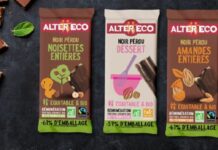
As part of a robust packaging lifecycle management strategy, many firms are looking for ways to decouple their production from fossil fuels. This has led to an increased interest in renewable and bio-based materials, such as those derived from sugarcane, corn, or even seaweed. These materials have the potential to significantly lower the “cradle-to-gate” carbon footprint of the package. However, a true lifecycle perspective requires manufacturers to also consider the land and water use required to grow these materials, as well as their performance in the waste stream. The goal is to find a balance where the source of the material is as sustainable as its eventual recovery.
Optimizing Resource Use in Manufacturing and Distribution
The “middle” stages of the lifecycle manufacturing and transportation offer significant opportunities for improving resource efficiency. Advanced manufacturing technologies, such as high-speed automation and precision extrusion, allow for the production of packaging with minimal scrap and energy waste. Within a packaging lifecycle management framework, companies are also looking at how they can utilize “closed-loop” systems within their own factories, where production waste is immediately reground and fed back into the process. This not only saves on material costs but also significantly reduces the environmental impact of the manufacturing phase.
The Role of Logistics and Transportation Efficiency
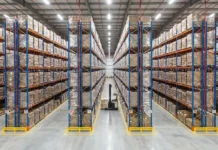
Transportation is often one of the most carbon-intensive stages of the packaging lifecycle. Packaging lifecycle management encourages the use of “lightweighting” and “space optimization” to maximize the efficiency of every shipment. By reducing the weight of the package, manufacturers can lower the fuel consumption of the vehicles carrying their products. Furthermore, designing packaging that can be shipped “flat” or “nested” before it is filled can drastically reduce the number of vehicles needed to move empty containers. These logistics-focused improvements have a direct positive impact on the overall lifecycle footprint, demonstrating how environmental stewardship and economic efficiency go hand-in-hand.
Extending the Useful Life Through Reuse and Refill
Perhaps the most impactful strategy within packaging lifecycle management is the extension of the package’s “use” phase. We are seeing a major resurgence in reusable and refillable packaging models. By treating the container as a durable asset rather than a disposable item, a brand can justify the use of higher-quality, more robust materials. A single stainless steel or premium glass bottle that is refilled fifty times has a much lower environmental impact per use than fifty single-use plastic bottles. These systems require a shift in consumer behavior and a rethink of the distribution network, but they represent the pinnacle of resource efficiency in the packaging world.
The Importance of Collaboration and Circularity
No single company can manage the entire lifecycle of a package in isolation. Effective packaging lifecycle management requires a high degree of collaboration across the entire value chain. Manufacturers must work closely with material suppliers to ensure the purity of their inputs, with logistics providers to optimize distribution, and with waste management firms to ensure that their products are actually being recovered. This “ecosystem” approach is essential for creating a truly circular economy. We are seeing the rise of industry consortiums and “circularity platforms” where competitors work together to develop standardized recycling protocols and to invest in the infrastructure needed for material recovery.
Transparency and the Demand for Accountability
In the modern marketplace, transparency is a non-negotiable requirement for brand trust. Packaging lifecycle management provides the framework for companies to report on their sustainability progress with confidence. By using verified LCA data and clear metrics, brands can communicate the “environmental story” of their packaging to consumers and investors. This level of accountability is becoming increasingly important as governments introduce “Extended Producer Responsibility” (EPR) laws and mandatory environmental labeling. A company that can demonstrate a deep understanding of its packaging lifecycle is better positioned to navigate these regulatory challenges and to build a resilient, future-proof business.
The Role of Digital Technology in Lifecycle Tracking
Digital technology is playing a vital role in enabling the next generation of packaging lifecycle management. From blockchain-based material tracking to IoT-enabled sensors that monitor the condition of reusable containers, technology is providing the visibility needed to manage resources more effectively. Digital “material passports” can provide a permanent record of what a package is made of and how it should be recycled, ensuring that the right materials reach the right processing facilities. As these technologies become more affordable and widespread, they will allow for a level of precision in resource management that was previously unimaginable.
Conclusion: Designing a Resource-Efficient Future
The adoption of packaging lifecycle management is a clear sign that the industry is maturing. We are moving away from a fragmented approach to production and toward a holistic view that recognizes the interconnectedness of our global systems. By focusing on the entire life of the package, from its “birth” in the material lab to its “rebirth” in the recycling center, companies can create a more sustainable and prosperous future.
The journey toward total resource efficiency is a continuous process of improvement. It requires a willingness to challenge old habits, to invest in new technologies, and to collaborate in ways that were once unthinkable. However, the rewards—a cleaner environment, a more efficient economy, and a deeper connection with the consumer—are well worth the effort. The package of the future will not be a piece of waste, but a carefully managed resource that delivers value at every stage of its lifecycle. For the forward-thinking manufacturer, this is not just a challenge; it is the ultimate opportunity for innovation and leadership in a changing world.

