















In an increasingly globalized and complex economy, the ability to account for every step in a product’s journey is no longer a luxury it is a fundamental requirement for operational integrity. From the pharmaceutical sector’s fight against counterfeit drugs to the food industry’s need for rapid recall capabilities, the implementation of robust packaging traceability solutions has become a top priority for manufacturers worldwide. Transparency is the new currency of consumer trust, and the digital systems that enable this visibility are transforming the package from a static container into a dynamic source of truth. As we move toward a future defined by data-driven decision-making, the “digital thread” that connects raw materials to the end-user is becoming the backbone of a more resilient and responsible supply chain.
The Technological Pillars of Modern Traceability
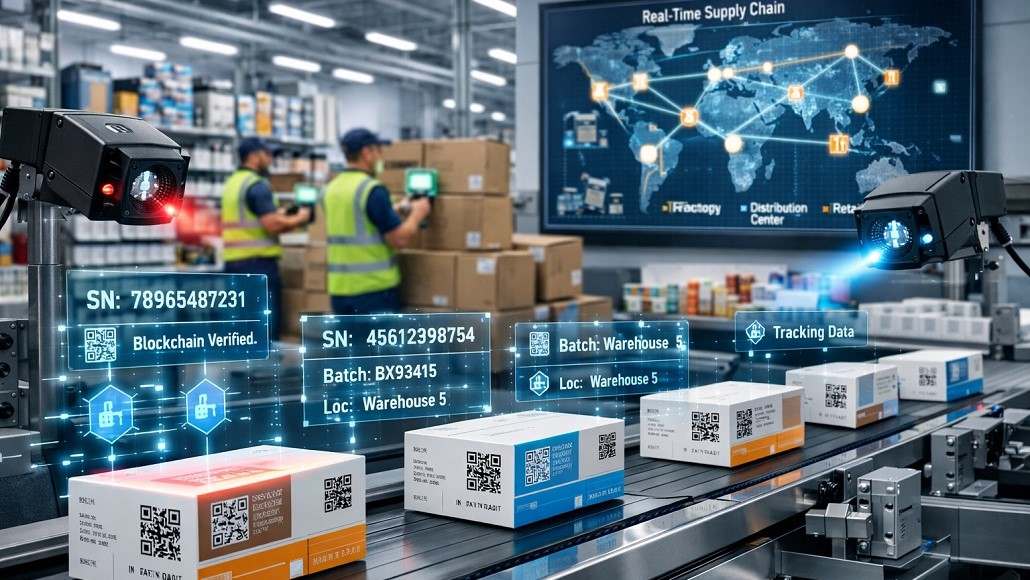
The effectiveness of any traceability strategy depends on the ability to uniquely identify and track items at high speeds. This is achieved through a variety of technologies, each offering different levels of data capacity and security. Traditional 1D barcodes are rapidly giving way to more sophisticated 2D Data Matrix codes and QR codes, which can store significantly more information in a smaller footprint. Furthermore, the integration of Radio Frequency Identification (RFID) and Near Field Communication (NFC) is allowing for “contactless” tracking, where hundreds of items can be scanned simultaneously as they move through a warehouse. These packaging traceability solutions provide the granular visibility needed to manage inventory with unprecedented accuracy.
Serialization: The Key to Individual Unit Accountability
While batch tracking has been the standard for decades, many industries are now moving toward full serialization. This involves assigning a unique, non-repeating serial number to every individual unit of production. In the pharmaceutical industry, this is often a legal requirement, aimed at preventing the infiltration of the supply chain by illegitimate or substandard products. By implementing serialization-based packaging traceability solutions, manufacturers can verify the provenance of every single bottle or box. This not only protects the consumer but also allows for much more targeted and efficient recalls. Instead of pulling an entire month’s production from the shelves, a company can identify and remove only the specific units that are affected by a quality issue.
The Role of Vision Systems in Data Verification
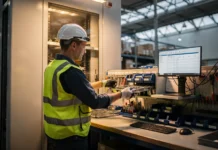
A traceability system is only as good as the data it captures. At the point of manufacture, high-speed vision systems are used to verify that every code is printed correctly and is perfectly legible. These systems utilize advanced cameras and Optical Character Recognition (OCR) software to read and record the data in real-time. If a code is found to be smeared or unreadable, the packaging traceability solutions will automatically trigger a rejection mechanism, ensuring that no “untraceable” units ever leave the facility. This automated oversight is essential for maintaining the integrity of the data stream and for ensuring compliance with the increasingly rigorous standards of global regulatory bodies.
Building Trust Through Consumer-Facing Transparency
The benefits of traceability are no longer confined to the internal operations of the manufacturer; they are being extended directly to the end-user. Today’s consumers are more informed and more skeptical than ever before. They want to know where their food was grown, how their clothes were made, and if the products they use are truly sustainable. By providing a “scannable” link on the package, brands can offer an unprecedented level of transparency. These consumer-facing packaging traceability solutions allow a buyer to see the entire history of a product, from the farm to the shelf, right on their smartphone. This direct access to data builds a level of trust and engagement that traditional marketing simply cannot match.
Authentication and the Fight Against Counterfeiting
For high-value goods, such as luxury items, electronics, and specialty chemicals, counterfeiting is a massive and growing threat. Packaging traceability solutions are a primary defense against this illicit trade. By integrating secure, tamper-evident digital markers into the packaging, manufacturers can provide a “digital birth certificate” for their products. Consumers and retailers can use a simple app to verify that the item in their hand is genuine. This capability not only protects the brand’s revenue but also ensures that the consumer is not put at risk by unregulated and potentially dangerous imitations. The ability to prove authenticity at any point in the supply chain is a powerful deterrent to bad actors.
Blockchain as an Immutable Ledger of Truth
To ensure that the traceability data itself is secure and cannot be altered, many firms are turning to blockchain technology. By recording every transaction and every movement of a product on a decentralized, immutable ledger, companies can create a “gold standard” of transparency. These blockchain-enabled packaging traceability solutions are particularly useful in complex, multi-stakeholder supply chains where trust between parties may be limited. When a shipment moves from a manufacturer to a distributor and then to a retailer, each handoff is recorded on the blockchain, creating a permanent and verifiable audit trail. This level of security is essential for managing sensitive items and for proving compliance with international trade regulations.
Operational Excellence and Supply Chain Visibility
Beyond safety and transparency, the data generated by traceability systems is a powerful tool for improving operational efficiency. By having a real-time view of where every unit of inventory is located, companies can drastically reduce waste and improve their fulfillment rates. Packaging traceability solutions allow for “first-expired, first-out” (FEFO) inventory management, ensuring that products with the shortest shelf life are moved through the system first. This is especially critical in the food and pharmaceutical sectors, where expired products represent a significant financial loss and a potential safety hazard.
Rapid Response and Recall Management
In the unfortunate event of a product recall, speed is of the essence. A delay of just a few hours can be the difference between a minor incident and a major public health crisis. Modern packaging traceability solutions allow for “surgical” recalls, where the exact location of every affected unit can be identified in seconds. Manufacturers can send automated alerts to the specific retailers and distributors that have the problematic batch in stock, allowing them to pull the items from the shelves immediately. This level of precision minimizes the disruption to the rest of the supply chain and demonstrates a level of corporate responsibility that can help a brand recover more quickly from a crisis.
Enhancing Sustainability and the Circular Economy
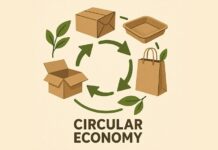
Traceability is also a vital component of the push toward a circular economy. To effectively recycle or reuse packaging materials, it is essential to know exactly what they are made of and where they have been. Packaging traceability solutions can provide this “material passport,” documenting the chemical composition and the recycling history of the package. This information allows waste management facilities to sort and process materials more effectively, ensuring that they can be returned to the production cycle with high purity. As EPR (Extended Producer Responsibility) laws become more common, the ability to track the end-of-life of packaging will become a legal and financial necessity for all manufacturers.
Conclusion: The Future is Transparent
The implementation of advanced traceability is not just a technical upgrade; it is a fundamental shift in the philosophy of manufacturing. We are moving away from a world of “blind” production toward one of total visibility. The various packaging traceability solutions available today from simple 2D codes to complex blockchain networks—are the tools that are making this transition possible. By turning the package into a source of intelligence, companies are building a more resilient, efficient, and trustworthy global economy.
For the manufacturer, the investment in traceability is an investment in the longevity of the brand. It provides the peace of mind that comes from knowing exactly where your products are and exactly what is happening to them. For the consumer, it provides the transparency and safety that they increasingly demand. As technology continues to evolve, the digital thread will only become stronger, eventually weaving together every stage of the product lifecycle into a single, seamless, and transparent narrative. In this new era of accountability, the brands that embrace total transparency will be the ones that win the hearts and minds of the modern consumer.