













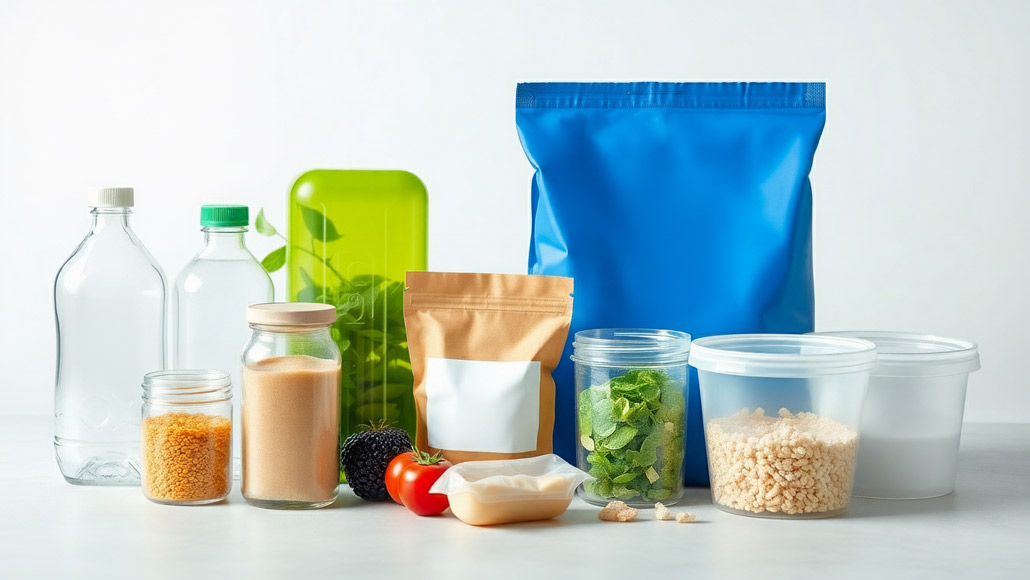

Growing global awareness about chemical safety and sustainable practices has propelled the packaging sector toward innovative solutions. Bisphenol A (BPA), once ubiquitous in plastics and can linings, is now under close scrutiny, pushing businesses and manufacturers to redefine standards. BPA alternative packaging has become a pivotal topic for industry decision-makers, with regulatory, environmental, and consumer health incentives converging to accelerate adoption of next-generation materials and designs.
Enterprises in food, beverage, pharmaceutical, and cosmetics markets increasingly seek intelligent substitutes to reduce chemical migration risk, streamline compliance, and foster positive brand perception. The broad shift toward BPA alternative packaging is not simply a compliance exercise but a strategic step toward market differentiation and sustainable value creation.
Understanding BPA and Industry Trends
BPA has long served as an essential building block in producing polycarbonate plastics and epoxy resins, renowned for their durability and clarity. However, potential leaching into packaged food and consumer goods raised health impact concerns and prompted regulatory restrictions in several global markets. This has spurred the R&D focus on BPA alternative packaging engineered around new material science innovations.
In response, leading packaging suppliers and material firms have accelerated the commercialization of a portfolio of options, each evaluated for technical performance, safety, and environmental profile. The industry perspective remains positive: the momentum behind BPA alternative packaging is opening new business opportunities, particularly as companies look to meet or exceed consumer and regulatory expectations.
Material Innovations: New Frontiers for BPA Alternatives
Several high-potential material families are now central to the conversation around BPA alternative packaging. These innovations reflect a fusion of health, performance, and environmental priorities.
Polypropylene (PP) is one of the most widely adopted BPA-free materials in modern packaging. It offers a compelling balance of food safety, durability, and recyclability. Polypropylene and its derivatives (including Biaxially Oriented Polypropylene, or BOPP) have become preferred choices for rigid containers, flexible films, and bags, significantly expanding brand-level options for safe BPA alternative packaging.
The versatile nature of polyester and acrylic resins has also positioned them as strong competitors. These resins help form rigid and flexible packages with low leaching potential and robust product protection capabilities. For can linings, polyester-based coatings extensively used in Japan have demonstrated effective preservation of food properties and extended shelf life. Stainless steel and glass further add to the BPA alternative packaging toolbox, especially in reusable and premium product segments due to their excellent barrier and non-migration properties.
Beyond Plastics: Toward Natural and Bio-Based Solutions
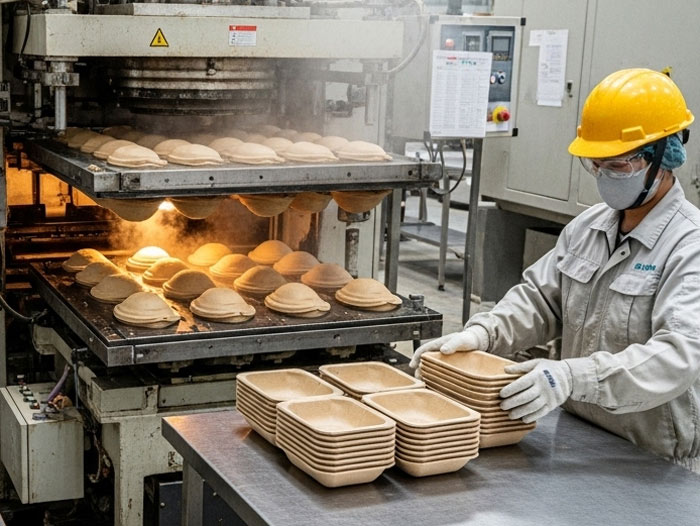
As the sustainability agenda intensifies, many packaging suppliers are looking beyond conventional plastics to natural and bio-based solutions that simultaneously address health and environmental impact. Glass offers a timeless, non-toxic, and fully recyclable option; its popularity is surging within food, cosmetic, and even pharmaceutical markets, providing brands with a ‘clean’ label image and superior product stability.
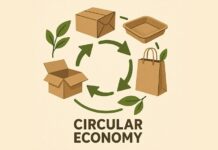
Bamboo, rice husk, and related plant-based materials have emerged as biodegradable options. These materials enable brands to develop single-use or semi-durable packaging that fully composts, helping close the loop in packaging life cycles. Gelatin films derived from natural sources offer an edible and compostable solution, appealing in food applications and premium niche segments. Companies seeking true differentiation increasingly look to these solutions as integral elements of holistic BPA alternative packaging strategies.
Performance and Technical Validation: Meeting Market Requirements
All BPA alternative packaging solutions face rigorous evaluation for technical equivalence. Manufacturers prioritize not only chemical safety but also critical performance indices like barrier properties, machinability, printability, and cost efficiency.
Research on polyester and acrylic coatings, for instance, confirms robust protection for food and beverages, with minimal risk of chemical migration. Polypropylene packaging similarly excels in providing resistance to fats, acids, and impact, making it a mainstay for both primary and secondary packaging. Stainless steel and glass containers, while sometimes costlier, offer unparalleled performance in shelf-life extension and reuse scenarios, supporting circular economy goals for institutional buyers.
Regulatory and Market Drivers: Compliance as Competitive Advantage
Regulatory frameworks in North America, the EU, and Asia-Pacific are rapidly tightening around bisphenol use, adding both complexity and opportunity. Detailed compliance protocols and labeling standards, such as “BPA-free” claims, fuel demand for verifiable BPA alternative packaging. The shift is especially pronounced in the food, beverage, pediatric, and pharmaceutical sectors, where public transparency and supply chain trust are paramount.
Leading brands recognize that early adoption of certified BPA alternatives can transform compliance into a competitive advantage. This is particularly relevant for suppliers targeting multinational customers, where harmonized standards and proactive material disclosure can smooth market entry and risk management.
Brand and Consumer Impact: Driving Demand for “Clean” Packaging
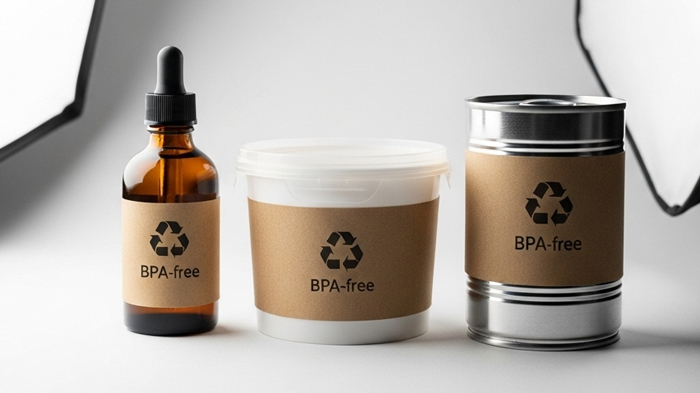
BPA alternative packaging is not merely a technical challenge; it is increasingly understood as a branding lever. Industry leaders acknowledge that visibly BPA-free, sustainable packaging conveys health and environmental leadership to both direct buyers and end consumers. Survey data consistently shows that “clean label” and “BPA-free” claims improve customer trust and purchase intent in business and retail channels alike.
Proactive supplier communication, backed by public domain safety and performance data, is shaping procurement preferences. More business clients are incorporating explicit BPA alternative packaging requirements into contracts and RFPs, reinforcing the trend toward cross-industry alignment and expectation management.
Future Outlook: Research and Market Evolution
Significant R&D activity continues, with an emphasis on scaling and optimizing next-generation BPA alternative packaging. Focus areas for the near future include:
- Improving scalability and cost parity of plant-based and bio-derived packaging materials.
- Advancing functional coatings and barrier technologies that match or exceed BPA-based options.
- Increasing recyclability and end-of-life value for both rigid and flexible formats.
- Collaborating across the packaging supply chain for evidence-based, responsible material selection and disclosure.
Ongoing public research and industry collaborations are expected to further elevate BPA alternative packaging from a compliance necessity to an engine of innovation, sustainability, and differentiation.
Conclusion: BPA Alternative Packaging as Strategic Value
The rapid adoption of BPA alternative packaging is reshaping the global packaging landscape. For business organizations, the move represents not only compliance with evolving regulations but also a unique opportunity to enhance health credentials, unlock market access, and build resilient brand reputations.
In the years ahead, continued investment in BPA alternative packaging innovation complemented by rigorous, transparent sourcing and communication, will determine which companies lead in this critical transformation. With material science advancements and growing ecosystems of sustainable suppliers, the path forward remains positive, promising, and rich with opportunity for value-driven organizations.