










Future-proofing Packaging: Innovation, Technology & Consumer Trends for the Next 5 Years
The packaging industry stands at a transformative inflection point where technological advancement, environmental consciousness, and evolving consumer expectations converge to reshape fundamental assumptions about package design, functionality, and value creation. The future of paper packaging requires strategic anticipation of emerging trends while building adaptive capabilities that enable sustained competitiveness in rapidly changing market conditions.
Technological Revolution Driving Packaging Innovation
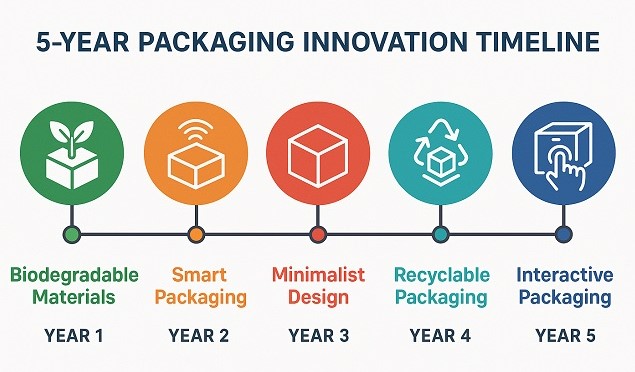
The next five years will witness unprecedented technological integration across paper packaging systems, fundamentally altering production capabilities, functional characteristics, and customer interaction models. Artificial intelligence applications will optimize every aspect of packaging development from initial concept through end-of-life management, creating intelligent systems that continuously improve performance while reducing resource consumption.
Machine learning algorithms will revolutionize packaging design by analyzing vast datasets encompassing consumer behavior patterns, material performance characteristics, supply chain dynamics, and environmental impact metrics to generate optimized solutions that human designers cannot conceive through traditional approaches. These AI-generated designs will achieve superior performance across multiple objectives simultaneously while identifying previously unknown optimization opportunities.
Digital manufacturing technologies including 3D printing, automated assembly systems, and precision cutting equipment will enable economical production of customized packaging solutions in small quantities, eliminating traditional constraints that required large-volume standardization for cost effectiveness. These capabilities will democratize access to premium packaging features while supporting mass customization strategies that enhance customer experience.
Internet-of-Things integration will transform paper packaging from passive containers into intelligent systems that monitor environmental conditions, track location and handling events, communicate with supply chain management systems, and provide real-time feedback about product condition and consumer interaction patterns. These smart packaging capabilities will create new revenue streams while enhancing customer service and operational efficiency.
Sustainability Evolution and Circular Economy Integration
Environmental considerations will intensify dramatically over the next five years as regulatory frameworks tighten, consumer awareness expands, and climate change impacts accelerate. Future of paper packaging strategies must anticipate increasingly stringent requirements for carbon footprint reduction, waste elimination, and circular material utilization that transform packaging from environmental liability into regenerative resource systems.
Carbon neutrality mandates will require comprehensive life cycle optimization that encompasses raw material sourcing, manufacturing processes, transportation systems, and end-of-life management. Paper packaging’s inherent advantages in renewable sourcing and carbon sequestration will strengthen competitive positioning, but continuous innovation will be essential to maintain leadership as alternative materials improve environmental performance.
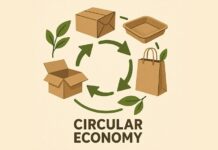
Circular economy principles will become mandatory rather than voluntary as extended producer responsibility regulations expand globally. Future paper packaging systems must design for multiple use cycles, optimize material recovery processes, and integrate seamlessly with regional recycling infrastructure while maintaining performance characteristics and cost competitiveness.
Biodegradable and compostable material requirements will accelerate as municipal waste management systems struggle with increasing disposal volumes. Paper packaging’s natural biodegradability provides strategic advantages, but innovations in barrier coatings, adhesive systems, and structural design must ensure functionality while preserving compostability under diverse environmental conditions.
Consumer Behavior Transformation and Expectation Evolution
Consumer expectations will continue evolving at accelerating rates as digital natives mature into primary purchasing demographics while older generations adapt to technology-enabled experiences. Future of paper packaging must anticipate desires for personalization, interactivity, transparency, and authentic brand connection that exceed current market offerings.
Personalization demands will expand beyond simple customization to encompass dynamic adaptation based on individual preferences, usage patterns, and contextual circumstances. Future paper packaging systems will utilize customer data to optimize functionality, aesthetic appeal, and informational content for specific users while maintaining privacy and ethical data usage standards.
Transparency requirements will intensify as consumers demand comprehensive information about product origins, environmental impact, supply chain practices, and corporate social responsibility initiatives. Paper packaging will serve as primary communication vehicles for this information through integrated labeling, digital connectivity, and authentication systems that provide verified, real-time data.
Experience-driven consumption will prioritize memorable interactions, emotional resonance, and social sharing potential over traditional functional benefits. Future paper packaging must create Instagram-worthy moments, sensory experiences, and conversation-starting elements that justify premium pricing while supporting brand building and customer loyalty development.
Digital Integration and Smart Functionality Expansion
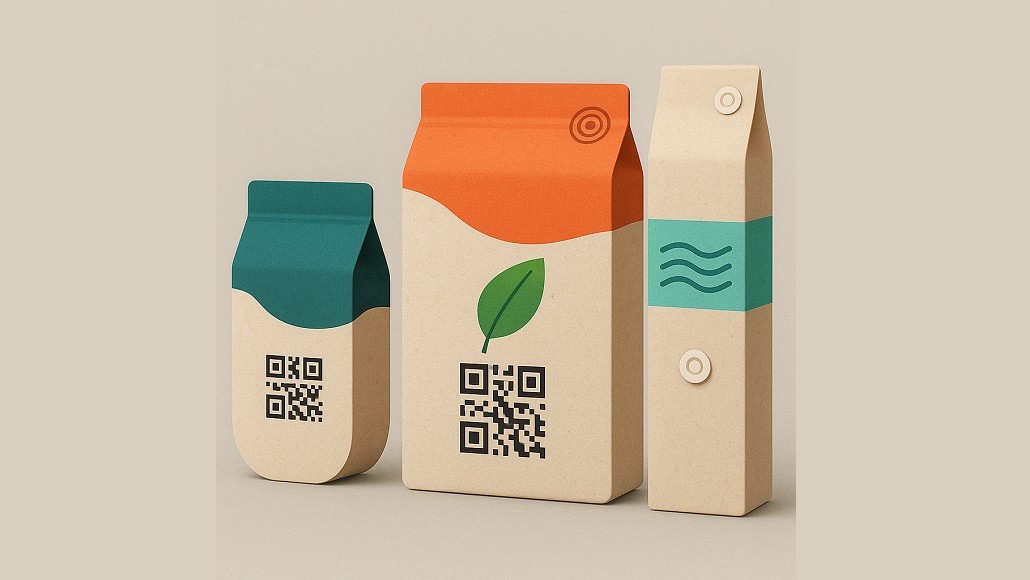
The convergence of physical packaging with digital technologies will accelerate rapidly as implementation costs decrease and consumer adoption increases. Future paper packaging will seamlessly integrate digital features that enhance functionality while preserving the natural aesthetic and environmental benefits that define premium paper solutions.
Augmented reality applications will transform static packaging into interactive experiences that provide product information, usage instructions, entertainment content, and brand storytelling elements accessed through smartphone cameras or specialized viewing devices. These immersive experiences will create competitive differentiation while providing measurable marketing value and customer engagement metrics.
Near field communication and radio frequency identification technologies embedded in paper packaging will enable seamless integration with mobile payment systems, loyalty programs, inventory management systems, and customer relationship management platforms. These connectivity features will streamline purchasing processes while providing valuable customer behavior data.
Blockchain integration will provide immutable verification of product authenticity, supply chain provenance, and environmental impact claims that combat counterfeiting while building consumer confidence in sustainability messaging. This transparency will become essential for premium positioning and regulatory compliance in increasingly scrutinized markets.
Market Dynamics and Competitive Landscape Evolution
The competitive environment for paper packaging will transform significantly as new entrants leverage technological advantages while established players adapt traditional capabilities to contemporary requirements. Future market leaders will demonstrate superior integration of sustainability, technology, and customer experience rather than competing solely on cost or traditional performance metrics.
Startup companies utilizing advanced technologies and innovative business models will challenge established market structures by offering specialized solutions, direct customer relationships, and agile development processes that respond rapidly to emerging opportunities. These disruptors will force industry-wide innovation acceleration while creating new market segments and customer expectations.
Platform-based business models will emerge that connect packaging suppliers, brand owners, and customers through digital ecosystems that optimize matching, facilitate collaboration, and enable transparent value creation across extended networks. These platforms will reduce transaction costs while improving service quality and innovation speed.
Global supply chain restructuring will prioritize resilience, sustainability, and regional optimization over cost minimization, creating opportunities for packaging suppliers that demonstrate superior adaptability and comprehensive service capabilities. Future packaging strategies must balance efficiency with flexibility to succeed in increasingly volatile operating environments.
Regulatory Framework Development and Compliance Requirements
Regulatory environments will become increasingly complex and demanding as governments worldwide implement comprehensive policies addressing climate change, waste reduction, and consumer protection. Future of paper packaging strategies must anticipate regulatory evolution while building compliance capabilities that exceed minimum requirements to maintain competitive advantages.
Extended producer responsibility frameworks will expand to encompass comprehensive packaging life cycle management including design standards, material sourcing requirements, recycling infrastructure funding, and end-of-life performance targets. These regulations will fundamentally alter packaging economics while creating opportunities for solutions that excel across all compliance dimensions.
International harmonization of packaging standards will reduce complexity while creating global market opportunities for suppliers that meet the most stringent requirements. Future strategies must balance local market adaptation with standardization benefits that enable economies of scale and simplified operations.
Consumer safety regulations will intensify as awareness increases about chemical migration, allergenic materials, and environmental health impacts. Paper packaging’s natural safety profile provides competitive advantages, but innovations in coatings, inks, and adhesives must maintain safety leadership while improving performance characteristics.
Innovation Investment Priorities and Strategic Focus
Strategic investment allocation for future of paper packaging must balance immediate market opportunities with long-term technological development that positions organizations for sustained leadership in evolving markets. Priority areas include materials science advancement, production technology enhancement, digital integration capabilities, and sustainability optimization systems.
Materials science research will focus on bio-based barrier systems, enhanced strength characteristics, functional coatings, and smart material applications that expand paper packaging capabilities while maintaining environmental benefits. These innovations will enable market expansion into applications currently dominated by synthetic materials.
Production technology investments will prioritize automation, quality optimization, customization capabilities, and waste reduction that improve competitiveness while supporting sustainability objectives. Advanced manufacturing systems will enable economical production of sophisticated packaging solutions while reducing environmental impact.
Digital platform development will create customer-facing systems that facilitate design collaboration, order management, supply chain visibility, and performance analytics. These capabilities will differentiate service offerings while providing customer value that justifies premium pricing and supports long-term relationships.
Strategic Positioning and Competitive Differentiation
Organizations preparing for the future of paper packaging must develop distinctive capabilities that create sustainable competitive advantages in increasingly sophisticated markets. Success will require excellence across multiple dimensions rather than dominance in single performance areas while maintaining agility to adapt as market conditions evolve.
Technology integration capabilities will become essential competitive differentiators as customers expect seamless digital experiences, intelligent functionality, and continuous innovation. Organizations must build internal capabilities while developing partnership networks that provide access to specialized technologies and expertise.
Sustainability leadership will require comprehensive environmental excellence that exceeds customer expectations and regulatory requirements while creating measurable business value through cost reduction, risk mitigation, and brand differentiation. This leadership position will strengthen as environmental considerations become increasingly important for purchasing decisions.
Customer intimacy development through deep understanding of evolving needs, preferences, and constraints will enable anticipatory innovation that creates competitive moats while building long-term relationships. Organizations that excel at customer partnership rather than transactional relationships will capture disproportionate value as markets mature.
The trajectory toward sophisticated, sustainable, and technologically enhanced paper packaging represents both challenge and opportunity for organizations committed to leadership in evolving markets. Success requires strategic vision, operational excellence, continuous innovation, and unwavering commitment to customer value creation and environmental stewardship. Organizations that embrace this complexity while maintaining focus on fundamental value creation will establish market positions that strengthen as the future unfolds.