














The global clean label movement has fundamentally transformed consumer expectations regarding food transparency and ingredient authenticity. Recent research indicates that one in four consumers identifies environmentally friendly attributes as a top clean label characteristic, reflecting the convergence of health consciousness, sustainability awareness, and demand for additive-free products. This consumer evolution has created unprecedented technical challenges for food manufacturers and packaging developers.
Clean label and natural food products typically eliminate or dramatically reduce synthetic preservatives, artificial additives, and chemical agents that traditional packaging systems were designed to accommodate. Without these chemical protections, natural formulations become significantly more vulnerable to oxidative degradation, microbial contamination, and quality deterioration. Packaging must now compensate through enhanced barrier properties, advanced sealing technologies, and sophisticated atmosphere control mechanisms—performing functions that preservatives historically addressed through chemical intervention.
This article examines the multifaceted technical and material challenges involved in developing packaging solutions capable of protecting natural formulations, extending shelf life without compromising clean label integrity, and maintaining product safety and quality across distribution channels. The packaging innovations addressing these challenges represent a fundamental evolution from passive containment toward active preservation technologies that preserve food through engineered material science rather than chemical additives.
Understanding the Clean Label Packaging Paradox
The Preservation Challenge in Natural Products
Clean label food products encounter a fundamental preservation paradox: eliminating preservatives and artificial additives that enabled extended shelf life without simultaneously increasing product spoilage, contamination risk, and consumer dissatisfaction. Traditional food packaging systems relied partially on synthetic preservatives providing antimicrobial and antioxidant protection. When manufacturers remove these chemical interventions in response to clean label consumer preferences, packaging must assume responsibility for delivering protective functionality that chemistry previously provided.
This challenge manifests across multiple degradation pathways. Oxidation, driven by free radical activity, deteriorates fats and oils, causing color changes, flavor degradation, and nutrient loss. Microbial contamination introduces spoilage organisms, pathogens, and organisms producing undesirable metabolic byproducts that compromise safety and sensory quality. Moisture migration alters product texture and consistency, particularly problematic in applications requiring specific hydration levels for proper functionality or palatability.
The paradox intensifies because consumers identifying with clean label preferences often simultaneously expect extended shelf life supporting convenient purchase and consumption patterns. Consumer tolerance for dramatically shortened shelf life remains minimal despite philosophical alignment with clean label principles. Packaging solutions must therefore deliver preservation performance that accommodates realistic consumer behavior while maintaining the clean label integrity that motivated the initial purchasing decision.
Reformulation and Packaging Integration
Embracing clean label requirements necessitates simultaneous adaptation of both product formulation and packaging systems. Rather than treating these as independent decisions, advanced brands increasingly approach clean label transition as an integrated redesign challenge encompassing ingredient selection, process technology, protective packaging systems, and supply chain optimization.
Natural food protection solutions such as antioxidants and antimicrobials derived from plant sources—including rosemary extract, green tea, and fermentation-derived compounds—have emerged as highly effective alternatives to traditional synthetic additives. These natural solutions harness botanical chemistry to combat oxidation and microbial spoilage while maintaining consumer alignment with clean label principles. However, their efficacy often differs from synthetic predecessors in specificity, effectiveness at required dosages, and interaction with packaging materials and food matrices.
This reality means packaging innovation and ingredient innovation must progress in concert. Antioxidant efficacy depends partially on packaging’s capacity to minimize oxygen exposure; if packaging fails to provide adequate barrier protection, natural antioxidants become overwhelmed by oxidative load beyond their capacity. Conversely, packaging that eliminates oxygen exposure creates anaerobic environments potentially favoring certain anaerobic pathogens while inhibiting others. The integration of clean label packaging for natural food products requires understanding these complex interactions and designing systems that leverage both ingredient and packaging capabilities synergistically.
Barrier Technologies and Material Selection
Advanced Barrier Properties
Barrier protection represents the primary technological lever available to packaging engineers addressing clean label preservation challenges. While synthetic preservatives provided chemical-based protection functions, advanced barrier materials provide mechanical resistance to oxygen ingress, moisture transmission, and volatile organic compound migration—the three primary physical degradation pathways affecting natural products.
Oxygen barrier performance proves particularly critical for shelf-stable natural products vulnerable to oxidative degradation. Traditional polyethylene and polypropylene structures, while economical and recyclable, provide insufficient oxygen barrier for products where oxidation represents the primary spoilage mechanism. High-barrier materials such as ethylene vinyl alcohol (EVOH), polyamide, and aluminum substantially reduce oxygen transmission rates, extending product viability without chemical preservatives.
The selection of barrier materials for clean label packaging for natural food products must balance multiple competing requirements. Environmental sustainability increasingly influences packaging decisions, creating tension between optimized barrier protection and minimized environmental impact. Materials providing superior barrier performance often prove more difficult to recycle or introduce recycling contamination if mixed with conventional systems. Advances in barrier technology increasingly address this tension through development of monolithic barrier films and multilayer structures engineered for mechanical recyclability.
Moisture barrier properties prove equally essential for many natural products. Powdered supplements, dried fruits, and grain-based products depend on maintaining specific moisture ranges that preserve texture, prevent caking, and inhibit microbial growth. Packaging moisture transmission rates must be precisely calibrated to product requirements, avoiding both excessive moisture loss causing desiccation and moisture absorption promoting mold growth and product degradation.
Material Innovation for Natural Products
Paper-based barrier systems represent an emerging innovation addressing the sustainability requirements increasingly embedded in clean label brand identities. These systems incorporate bio-based coating technologies providing barrier protection equivalent to conventional multilayer plastic structures while enabling complete material compostability. While still limited to specific applications and unable to achieve the barrier performance of optimized plastic systems, paper-based alternatives address growing consumer and regulatory pressure for sustainable packaging.
Edible coatings, exemplified by Apeel technology, protect produce and other fresh products through application of food-grade coating materials derived from plant byproducts. These coatings slow moisture loss and oxygen transmission, extending shelf life substantially without introducing synthetic chemicals. While technically not packaging in traditional sense, edible coatings address the clean label imperative by eliminating packaging materials entirely, replacing them with consumable protection that becomes part of the product itself.
Transparent barrier films incorporating organic and inorganic nanotechnology represent another frontier in clean label packaging innovation. These materials achieve high barrier performance through incorporation of nano-scale particles that interrupt degradation pathways without chemical intervention. Applications remain limited currently due to regulatory uncertainty surrounding nano materials and manufacturing cost, but progressive development suggests meaningful commercial adoption within the medium-term horizon.
Sealing Technologies and Atmospheric Control
Advanced Sealing Mechanisms
Sealing integrity proves critical for maintaining barrier effectiveness throughout product lifecycle. Even packaging materials demonstrating excellent inherent barrier properties lose this advantage if seals deteriorate during distribution, particularly in response to thermal fluctuation, mechanical stress, or inadequate initial seal quality. Modern sealing technologies for clean label packaging for natural food products incorporate multiple integrity verification mechanisms and progressive degradation monitoring.
Thermal sealing processes, historically the primary method for creating package-level barrier integrity, increasingly incorporate advanced monitoring technologies identifying and rejecting improperly sealed units. Real-time seal strength testing, through destructive sampling and statistical process control, enables producers to ensure that 100 percent of production meets minimum seal integrity requirements. Hot-bar sealing, ultrasonic sealing, and induction-based closure technologies each offer advantages for specific material combinations and product types.
Tamper-evident and freshness indicator technologies increasingly integrate with sealing systems, providing consumers and supply chain partners visual confirmation of seal integrity and product quality status. Color-changing indicators triggered by temperature exposure, time progression, or oxidation accumulation alert consumers when products have exceeded storage conditions or approaching quality degradation. These intelligent sealing systems transform packaging from passive containers into active quality assurance tools communicating product integrity status.
Atmospheric Control Solutions
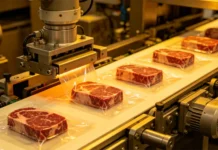
Modified atmosphere packaging (MAP) represents perhaps the most sophisticated atmospheric control solution available to manufacturers of clean label products vulnerable to oxygen-dependent spoilage mechanisms. This technology replaces atmospheric air inside packages with precisely controlled gas mixtures optimized for the specific product and target shelf life.
For fresh-cut produce, meat, and other highly perishable products, MAP systems typically employ elevated carbon dioxide concentrations to inhibit microbial growth while reducing oxygen availability to levels minimizing oxidative degradation. For bakery products and other applications where oxidative quality loss predominates, nitrogen flushing creates inert atmospheric conditions that prevent oxidative chemistry without introducing antimicrobial effects. Sophisticated systems employ vacuum application preceding gas injection, ensuring complete removal of residual oxygen before introducing protective atmospheres.
Active packaging systems complement passive atmospheric control by incorporating oxygen scavenging or moisture-absorbing agents within the package headspace. Iron-based oxygen scavengers react with residual oxygen, converting it into inert forms that eliminate oxidation pathways. Silica gel and similar desiccants absorb excess moisture, maintaining desired humidity levels that preserve product characteristics while inhibiting microbial growth. These active components work synergistically with barrier materials and sealing technologies, creating comprehensive atmospheric control systems that protect natural products without chemical preservatives.
High-pressure processing (HPP) represents an alternative preservation technology compatible with clean label principles that works synergistically with advanced packaging. This technology subjects packaged products to intense pressure, killing microorganisms and significantly extending shelf life. Products processed with HPP can achieve shelf life extending to 12 months for non-acidic products while maintaining the clean label integrity that motivated consumers’ purchasing decisions.
Natural Preservative Integration with Packaging
Bioprotective Cultures and Fermentation-Based Solutions
Natural antimicrobial solutions increasingly incorporated into clean label products include cultured dextrose, buffered vinegar, and bioprotective cultures derived from fermentation processes. These solutions combat spoilage microorganisms, pathogens, and mold growth while maintaining clean label transparency and consumer alignment with natural product preferences. Bioprotective cultures, safe and consumer-friendly, demonstrate efficacy extending shelf life of fermented milk products and other applications by multiple days while preserving sensory characteristics superior to synthetic preservative alternatives.
Fermentation-derived antifungals, exemplified by IFF’s Natamax product, provide naturally occurring solutions derived from fermentation offering cost-effective alternatives to synthetic preservatives like sorbates and benzoates. These solutions represent genuine advancement in clean label preservation capability, delivering efficacy comparable to conventional alternatives while satisfying increasingly stringent consumer demands for recognizable, natural-origin ingredients.
Packaging systems for products incorporating natural antimicrobials must accommodate the specific characteristics of these bioactive compounds. Some bioprotective cultures require specific temperature ranges for viability; packaging must prevent thermal fluctuation that could compromise efficacy. Interaction between active ingredients and packaging materials requires careful validation, as certain materials may absorb or degrade natural antimicrobial agents, reducing their effectiveness.
Antioxidant Systems and Oxidation Control
Plant-derived antioxidants including rosemary extract and green tea represent increasingly sophisticated approaches to clean label preservation. These natural compounds scavenge free radicals, slowing oxidative processes that cause discoloration, rancidity, and off-flavor development. By slowing oxidative chemistry, plant-based antioxidants extend product freshness and maintain consumer appeal throughout the extended timeframe between purchase and consumption.
The efficacy of natural antioxidant systems depends significantly on packaging’s capacity to minimize oxidative load. If oxygen barrier properties prove inadequate, natural antioxidant compounds become overwhelmed by the volume of oxidative chemistry occurring within the package, failing to deliver meaningful shelf-life extension. Corbion’s natural antioxidants derived from renewable sources demonstrate this synergy, controlling oxidation in traditionally challenging categories like meat products while relying on sophisticated barrier packaging to limit the oxidative chemistry that antioxidants must manage.
Packaging optimization for natural antioxidant efficacy requires understanding absorption kinetics and interactions between protective compounds and package materials. Some antioxidants exhibit tendency toward sorption into plastic materials, reducing their concentration available to protect the actual product. Advanced packaging designs incorporate surfactant systems or material modifications that minimize antioxidant absorption, ensuring maximum protective efficacy throughout the product lifecycle.
Addressing Transparency and Sensory Requirements
Maintaining Product Visibility Without Compromising Protection
Clean label consumers frequently demand visual product confirmation—the ability to assess color, texture, and apparent freshness before purchase. Transparent or translucent packaging materials that provide this consumer expectation create specific technical challenges, as most high-barrier materials sacrifice transparency in pursuit of optimized oxygen and moisture protection.
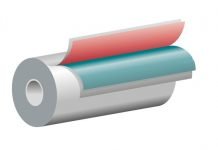
Metallized film structures, which incorporate ultra-thin aluminum deposition providing exceptional barrier properties, introduce opacity that contradicts consumer desire for product visibility. Advanced laminated structures incorporating transparent high-barrier layers represent a solution that maintains optical clarity while delivering the barrier performance necessary for extended shelf life. These structures typically employ multiple layers optimizing different protective functions: a transparent barrier layer maintaining visibility, a structural layer providing mechanical strength, and a sealing layer ensuring package integrity.
Innovations in transparent barrier technologies, including nano-coated structures and advanced polymers incorporating inorganic barrier compounds, progressively expand the capability for packaging to simultaneously provide visual transparency and functional barrier protection. These technologies remain under development and expansion, with increasing commercial availability expected in coming years.
Sensory Preservation Without Chemical Additives
Beyond visual characteristics, clean label consumers expect products to maintain desirable sensory attributes throughout the intended shelf life—flavor, aroma, and texture that match products immediately following production. Packaging must preserve these sensory characteristics despite eliminating synthetic additives that traditionally stabilized flavor compounds, suppressed aroma compound volatilization, and prevented texture degradation.
Volatile organic compounds contributing to product aroma represent particular challenges, as these compounds naturally tend toward migration into package materials or escape into the package headspace. Packaging materials and structures must balance aroma compound retention with the oxygen barrier properties that prevent oxidative flavor degradation. This tension requires sophisticated material selection and package design, often employing specialized polymers with reduced affinity for aroma compounds.
Regulatory and Compliance Considerations
Food Safety and Migration Standards
Clean label packaging for natural food products operates within increasingly stringent regulatory frameworks governing food contact materials and permissible substance migration. Substances migrating from packaging into food products must meet regulatory thresholds demonstrating safety margins adequate to protect consumer health. These regulations apply to packaging materials themselves, coatings, inks, and any adhesives or processing aids.
Regulatory frameworks vary significantly across jurisdictions. European regulations establish particularly stringent migration limits for packages contacting food, requiring comprehensive testing and detailed documentation. Brands operating globally must navigate these differences, often designing packaging that meets the most stringent requirements to ensure compatibility with the broadest market access.
The introduction of novel barrier materials and advanced coating systems creates regulatory uncertainty, as many innovations require regulatory approval before commercial deployment. Regulatory bodies assess safety based on intended use conditions, anticipated migration scenarios, and available toxicology data. This assessment process can extend development timelines and introduce regulatory risk that manufacturers must factor into product development planning.
Shelf-Life Claims and Testing Requirements
Clean label marketing often emphasizes extended shelf life as a key benefit, asserting that products maintain quality and safety substantially longer than competitors. These claims require robust supporting evidence: accelerated shelf-life testing under stress conditions and real-time testing under actual storage conditions validating that products actually maintain claimed characteristics throughout the labeled shelf life.
Packaging innovations directly influence shelf-life claim substantiation. Enhanced barrier properties enable longer shelf lives only if testing actually demonstrates maintained product quality and safety. Brands introducing advanced packaging for clean label products bear responsibility for rigorous testing protocols confirming that innovative packaging delivers the preservation benefits claimed to consumers. Overstating shelf-life capabilities creates regulatory and legal exposure while undermining consumer trust if products fail to meet expectations.
Case Studies and Industry Innovation
Dairy and Fermented Products
The dairy and fermented product category exemplifies sophisticated integration of clean label principles, natural preservation solutions, and advanced packaging technologies. Holdbac, a cutting-edge bioprotective culture for extended freshness in fresh dairy and dairy alternatives, demonstrates the potential for natural antimicrobials to extend shelf life while preserving taste profiles superior to synthetic alternatives.
Packaging innovations supporting these bioprotective systems include enhanced oxygen barriers and optimized sealing technologies maintaining the anaerobic or microaerophilic conditions that bioprotective cultures require. Temperature-controlled supply chains demand packaging capable of withstanding repeated temperature fluctuation without seal degradation, while simultaneously providing the barrier performance enabling reduced dependence on synthetic antimicrobials.
Specialty Foods and Functional Products
Specialty foods, functional nutrition products, and superfood powders represent categories where clean label packaging for natural food products encounters particularly acute technical challenges. Powdered products exhibit high surface-to-volume ratios that increase oxidative vulnerability, while their dry nature makes them sensitive to moisture absorption that could compromise flowability or promote caking.
Innovative packaging solutions for these categories employ specialized barrier materials and gas-flush technologies creating inert atmospheric conditions that preserve product characteristics throughout extended shelf life. Resealable structures accommodate the consumer desire for easy access without repeatedly exposing the entire product to atmospheric oxygen, slowing quality degradation across multiple opening and resealing cycles.
Future Trajectories and Emerging Solutions
Active Ingredients and Controlled Release
Future innovations in clean label packaging for natural food products will increasingly incorporate active preservation ingredients that work in concert with barrier materials and sealing systems. Microencapsulated antioxidants that release protection molecules as oxidative conditions develop represent one frontier. Controlled-release systems for bioprotective organisms that remain dormant during storage but activate as product approaches end-of-shelf-life represent another emerging approach.
Integration with Digital Technologies
Digital technologies increasingly integrate with physical packaging to enhance clean label communication and verify product authenticity. QR codes directing consumers to detailed ingredient sourcing information, manufacturing processes, and preservation technologies authenticate brand claims regarding clean label practices. Freshness indicators communicating real-time product quality status provide consumers objective guidance regarding consumption timing, supporting the quality expectations that clean label consumers maintain.