




















In the high-stakes world of global manufacturing, the integrity of a product’s packaging is as critical as the product itself. Whether it is ensuring the sterility of a medical device or the freshness of a perishable food item, the container serves as the final barrier against contamination and damage. As production speeds continue to climb, the margin for error has narrowed significantly, making the implementation of sophisticated packaging quality control systems a top priority for industry leaders. These systems are no longer just an end-of-line check; they are integrated into every phase of the production process, providing a level of reliability and consistency that was previously unattainable. The shift toward automated, data-driven inspection is transforming quality assurance from a reactive necessity into a proactive strategic advantage.
The Evolution of Inspection: Beyond the Human Eye
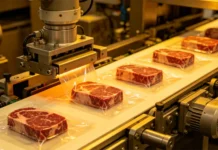
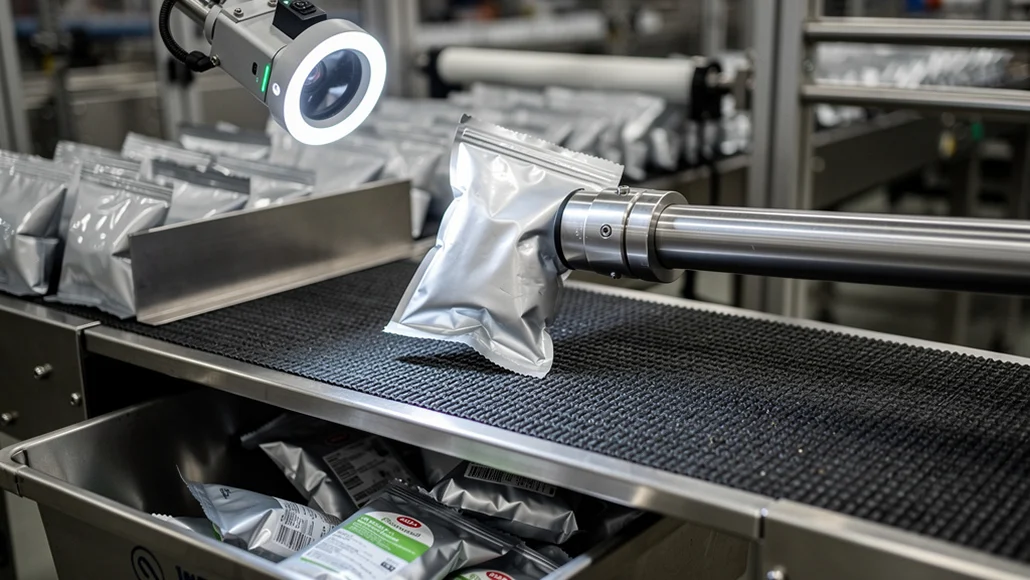
Historically, quality control relied heavily on manual inspections and statistical sampling. However, the human eye is prone to fatigue and cannot possibly track the thousands of units that pass through a high-speed line every hour. Modern packaging quality control systems have solved this problem through the use of advanced vision inspection technology. These systems utilize high-resolution cameras and multi-spectrum lighting to capture detailed images of every single package in real-time. By comparing these images against a “golden template” of a perfect unit, the system can detect minute defects such as a slightly misaligned label, a microscopic crack in a glass vial, or a compromised seal on a plastic pouch that would be invisible to a human inspector.
Real-Time Monitoring and Immediate Intervention
The true power of these systems lies in their ability to provide instantaneous feedback. When a defect is detected, the system does not just flag it for later review; it can trigger an automated rejection mechanism that removes the faulty unit from the line without slowing down production. This capability of packaging quality control systems ensures that only perfect products reach the shipping stage, drastically reducing the risk of costly product recalls. Furthermore, the data generated by these inspections can be used to identify patterns in production errors. If the system notices a sudden increase in misapplied caps, for example, it can alert operators to a potential mechanical issue with the capping machine, allowing for immediate intervention before a minor glitch turns into a major production loss.
Vision Systems and Advanced Optical Sorting
Optical sorting has become a cornerstone of reliability in sectors like agriculture and pharmaceutical manufacturing. By using various wavelengths of light, including infrared and ultraviolet, these vision systems can look beneath the surface of the packaging. They can verify the presence of an insert, check the fill level of a container, and even confirm that the chemical composition of a seal is correct. This depth of analysis is what makes modern packaging quality control systems so indispensable. They provide a comprehensive “seal of approval” that covers everything from aesthetic perfection to structural integrity and regulatory compliance.
Compliance and Regulatory Rigor in Sensitive Industries
For industries such as pharmaceuticals and food production, quality control is not just about brand reputation; it is a matter of strict legal compliance. Regulatory bodies like the FDA and EMA have rigorous standards for packaging and labeling accuracy. Packaging quality control systems are designed to meet these challenges by providing full traceability for every unit produced. Every image captured and every data point recorded is stored in a secure database, creating a digital audit trail that can be accessed years after a product has left the facility. This level of documentation is vital for demonstrating compliance during inspections and for managing targeted recalls if a specific batch is found to be problematic.
Label Verification and Serialisation
One of the most common causes of product recalls is incorrect labeling, which can lead to life-threatening situations in the case of undeclared allergens or incorrect pharmaceutical dosages. Modern packaging quality control systems include specialized modules for Optical Character Recognition (OCR) and Optical Character Verification (OCV). These tools read the printed text on every label to ensure that expiration dates, lot numbers, and ingredient lists are perfectly legible and accurate. In the pharmaceutical world, the integration of serialization where each individual pack receives a unique, trackable code is made possible by these high-speed inspection systems, ensuring that counterfeit products cannot easily enter the legitimate supply chain.
Enhancing Brand Loyalty Through Consistency
Beyond safety and compliance, the reliability of packaging is a key driver of consumer trust. When a customer buys a premium product, they expect the packaging to reflect that quality. A torn label or a dented box sends a message of negligence that can damage a brand’s image. By employing rigorous packaging quality control systems, companies can ensure that every item on the shelf looks exactly as the marketing team intended. This consistency builds a sense of reliability and professionalism that encourages repeat purchases and long-term brand loyalty. In a crowded marketplace, the “perfect package” is often the first and most lasting impression a consumer has of a brand.
Reducing Waste and Improving Sustainability
Sustainability is often discussed in terms of materials, but operational efficiency is an equally important component of a green strategy. Every defective package that is produced represents wasted raw material, wasted energy, and wasted production time. By catching errors at the very beginning of the process, packaging quality control systems minimize this waste. If a forming machine starts producing slightly off-spec containers, the inspection system will flag the issue immediately, allowing the machine to be recalibrated before thousands of pounds of plastic or paper are ruined. This “right-first-time” approach is essential for any company looking to reduce its environmental footprint while maintaining high output levels.
The Role of Data in Continuous Improvement
The data harvested by these systems is a goldmine for process engineers. By analyzing long-term trends in defect rates, teams can pinpoint the root causes of variability in the production environment. Perhaps a certain type of adhesive performs poorly at higher humidity levels, or a specific film supplier has higher-than-average defect rates. These insights, provided by the reporting modules of packaging quality control systems, allow for a data-driven approach to continuous improvement. Instead of guessing why errors are occurring, manufacturers can make informed decisions that optimize their entire supply chain, from raw material procurement to final distribution.
Future-Proofing with Artificial Intelligence
We are currently witnessing the integration of Artificial Intelligence and Deep Learning into the world of quality control. Unlike traditional systems that require manual programming for every possible defect, AI-based packaging quality control systems can “learn” what a good package looks like by analyzing thousands of examples. This allows them to detect unexpected or complex defects that were never explicitly programmed into the system. As these technologies mature, they will become even more adept at handling natural variations in materials such as the slight color shifts in recycled cardboard without triggering false rejects. This represents the next frontier in packaging reliability.
Conclusion: Quality as the Foundation of Modern Industry
The role of quality control has evolved from a simple gatekeeper to a fundamental driver of manufacturing excellence. The implementation of advanced packaging quality control systems is no longer a luxury for the few but a necessity for any manufacturer that wishes to compete on a global scale. By combining the speed of modern machinery with the oversight of intelligent inspection systems, companies can achieve a level of reliability that protects consumers, satisfies regulators, and enhances the bottom line.
As we move toward a future defined by even faster production cycles and more complex packaging materials, the importance of these systems will only grow. They provide the peace of mind that comes from knowing that every product leaving the factory is safe, compliant, and perfect. In an era where information travels instantly and a single recall can devastate a company, the investment in high-quality, reliable inspection systems is the most important insurance policy a manufacturer can have. The commitment to perfection is what ultimately separates the market leaders from the rest of the pack.