


















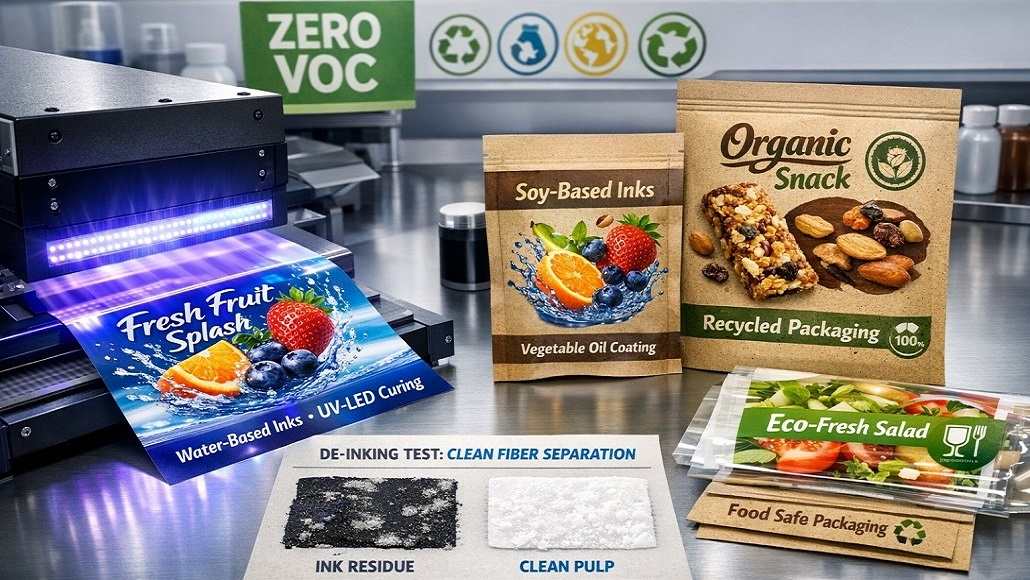
In the broader conversation about sustainable packaging, much of the focus is typically placed on the base materials switching from plastic to paper, or from virgin resins to recycled content. While these are critical steps, they represent only part of the environmental equation. Often overlooked is the “chemistry of the surface,” specifically the inks and coatings used to convey branding, regulatory information, and aesthetic appeal. The transition to sustainable inks for packaging is now recognized as a vital component of any serious environmental strategy, as manufacturers seek to eliminate toxic substances and reduce their overall carbon footprint without compromising the high-performance standards required by modern retail.
The Hidden Environmental Cost of Traditional Printing Inks
For decades, the printing industry relied heavily on solvent-based inks, which utilize petroleum-derived chemicals to carry pigments and facilitate fast drying times. While effective from a production standpoint, these inks release Volatile Organic Compounds (VOCs) into the atmosphere, contributing to air pollution and posing health risks to factory workers. Furthermore, the cleanup of solvent-based systems requires harsh detergents, creating a stream of hazardous waste that is both difficult and expensive to manage.
Beyond the manufacturing floor, traditional inks can also pose a significant challenge at the end of a package’s life. During the recycling process, petroleum-based inks can be difficult to remove from paper fibers or plastic resins, often leading to a “downgrading” of the recycled material. In some cases, residual chemicals from these inks can contaminate the recycling stream, limiting the number of times a material can be reused. This “ink barrier” is one of the primary reasons why the industry is aggressively pivoting toward more environmentally benign alternatives.
The Rise of Water-Based and Bio-Derived Ink Systems
At the forefront of the green printing movement are water-based inks. By replacing hazardous solvents with water as the primary carrier, these systems drastically reduce VOC emissions and create a safer, more pleasant working environment. Historically, water-based inks were criticized for having slower drying times and less vibrant color payoff compared to their solvent-based counterparts. However, recent breakthroughs in resin technology and drying systems have largely eliminated these performance gaps. Today, water-based inks are capable of producing high-definition graphics on everything from corrugated cardboard to flexible plastic films.
In addition to water-based solutions, there is a growing market for bio-derived or vegetable-based inks. These formulations utilize renewable resources such as soy, corn, or linseed oil instead of petroleum. Soy-based inks, in particular, have gained widespread popularity due to their excellent clarity and the fact that they are easier to remove during the de-inking process in paper recycling. Because they are derived from crops, these inks also have a lower carbon footprint over their entire lifecycle, as the plants used to create them absorb carbon dioxide while growing.
UV-LED Curing: A Technological Leap in Energy Efficiency
Another significant advancement in sustainable inks for packaging is the development of UV-LED curable inks. Traditional UV printing uses mercury vapor lamps to dry the ink instantly through a chemical reaction. While fast, these lamps consume a massive amount of energy, generate significant heat, and produce ozone, which requires ventilation. Furthermore, mercury is a toxic heavy metal that requires specialized disposal.
UV-LED technology replaces these older lamps with highly efficient light-emitting diodes. These systems consume up to 80% less energy and produce almost no heat, which is particularly beneficial when printing on heat-sensitive thin films. Because the curing process is instantaneous and the inks contain 100% solids, there are no solvents to evaporate, meaning zero VOC emissions. This combination of energy efficiency and chemical safety makes UV-LED one of the most promising technologies for brands looking to combine high-speed production with environmental stewardship.
Navigating the Complexity of Packaging Coatings and Varnishes
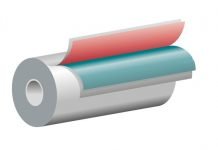
It is important to remember that a finished package rarely consists of ink alone. Most printed surfaces are treated with a protective coating or varnish to prevent scratching, provide a specific tactile feel (such as soft-touch or high-gloss), or create a barrier against moisture and grease. In the past, these coatings were often the “weakest link” in the sustainability chain, utilizing non-recyclable polymers that effectively glued different materials together.
The industry is now seeing a surge in sustainable packaging coatings, including aqueous (water-based) varnishes and bio-polymers derived from starch or cellulose. These new coatings are designed to be fully compatible with recycling systems, meaning they break down easily during the repulping process. Some innovative coatings are even compostable, allowing for the creation of truly “zero-waste” packaging that can be returned to the earth at the end of its useful life. For the food industry, these green coatings are particularly important, as they must provide a robust barrier while remaining completely safe for direct food contact.
Meeting the Demands of Regulatory Compliance and Consumer Expectations
The shift toward sustainable inks for packaging is being driven by a powerful combination of legislative pressure and consumer demand. In many regions, particularly the European Union, regulations such as REACH (Registration, Evaluation, Authorisation and Restriction of Chemicals) are becoming increasingly stringent regarding the types of substances allowed in packaging materials. Brands that fail to adapt risk being locked out of major markets or facing significant fines.
At the same time, consumers are becoming far more educated about the environmental impact of their purchases. A growing segment of the population actively looks for eco-labels and sustainability certifications on the products they buy. For a brand, being able to claim that their packaging is printed with “non-toxic, vegetable-based inks” is a powerful marketing advantage. It signals a holistic commitment to quality and ethics that extends beyond the product itself to the very container it arrives in.
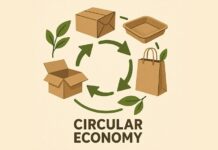
The Role of De-Inking in the Circular Economy
To achieve a truly circular economy, we must ensure that materials can be recycled back into high-quality products. This is where the “de-inkability” of sustainable inks for packaging becomes a critical factor. In the paper recycling process, the ink must be separated from the fiber to create a clean, white pulp. If the ink sticks too firmly to the fiber, the resulting recycled paper will be grey or speckled, limiting its use to low-grade applications like egg cartons or insulation.
Sustainable inks are being specifically engineered to detach easily during the flotation and washing stages of recycling. By working closely with recycling facilities, ink manufacturers are developing formulas that optimize this separation. This collaborative approach ensures that the “loop” of the circular economy is truly closed, allowing a luxury perfume box to be recycled back into high-quality stationery or even another box of the same caliber.
The Path Forward: Integration and Optimization
As we look to the future, the use of sustainable inks will transition from a “premium” feature to an industry standard. The technical challenges that once hindered adoption are being solved through relentless innovation and investment. For manufacturers, the goal is now integration ensuring that these green chemistry solutions work seamlessly with high-speed presses and diverse substrates.
However, sustainability is not just about choosing the right ink; it is about the entire printing process. This includes optimizing ink usage to reduce waste, implementing digital color management to minimize the need for physical samples, and investing in energy-efficient equipment. When combined with sustainable inks for packaging, these practices create a comprehensive model for responsible manufacturing. The resulting packaging is not only beautiful and functional but also a testament to the industry’s ability to evolve in harmony with the natural world.