















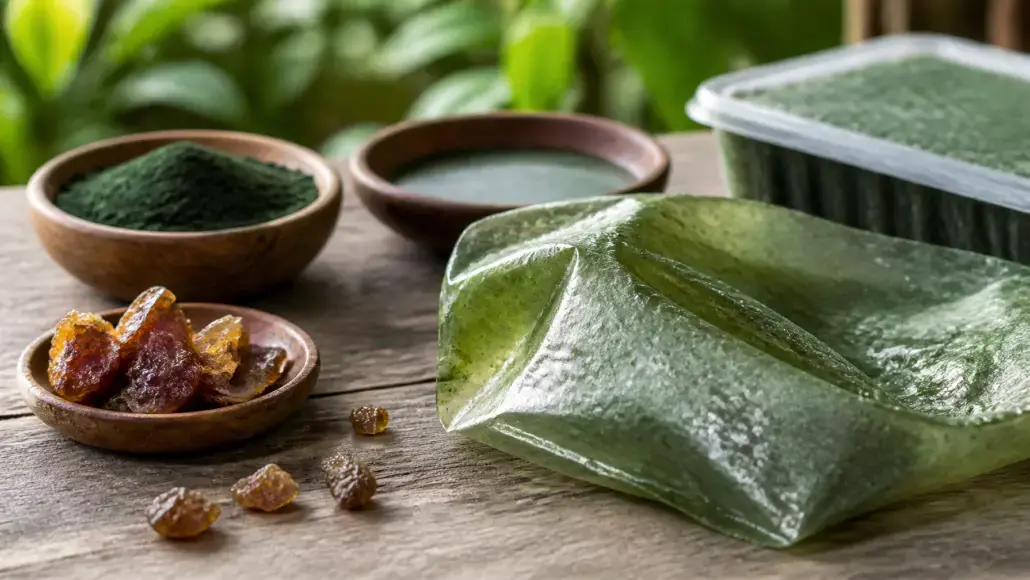

Recent scientific findings published in Frontiers in Sustainable Food Systems explore the integration of Spirulina and plant resins to develop sustainable edible packaging. As the global challenge of non-biodegradable waste persists, researchers are evaluating how renewable materials can function as viable replacements for conventional petroleum-derived plastics. The study highlights how biopolymer coatings and films, fabricated from microalgal biomass and natural tree secretions, offer advanced food preservation capabilities while effectively reducing environmental pollution.
Composition and Functional Benefits of Spirulina
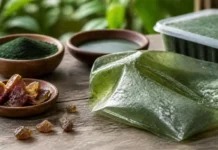
The microalga Spirulina platensis serves as a primary candidate for these systems due to its unique biochemical profile. Comprising sixty to seventy percent protein, it provides essential structural integrity. Furthermore, it contains vital polysaccharides and photosynthetic pigments like phycocyanin. These components contribute to the matrix flexibility of biodegradable films while offering inherent antioxidant properties that help mitigate lipid oxidation in perishable goods.
Structural Integrity in Biopolymer Matrices
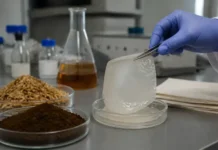
The effectiveness of these materials depends on the precise concentration of biomass within the host biopolymers. Experimental data indicate that maintaining a one percent concentration of Spirulina ensures a uniform, continuous surface without the structural voids often seen at higher concentrations. This homogeneity is essential for optimizing water vapor permeability and ensuring the overall durability of the sustainable edible packaging.
To enhance mechanical performance, the research notes that plasticizers such as glycerol are often used to increase chain mobility. Simultaneously, techniques like chemical cross-linking are applied to bolster tensile strength and improve moisture resistance, ensuring the materials can withstand standard handling processes.
Integrating Natural Resins for Enhanced Preservation
The combination of algal components with plant-derived secretions provides a robust defense against microbial spoilage. Specifically, extracts from Moringa oleifera contribute flavonoids and isothiocyanates, which work synergistically with algal peptides. This combination targets foodborne pathogens by disrupting bacterial cell membranes and inhibiting vital enzymes.
The application of these films has shown promise in various sectors:
- Dairy products benefit from coatings that suppress bacterial degradation.
- Fruit items treated with these barriers exhibit reduced respiration rates and moisture loss.
- Smart packaging functionality is achieved through pH-sensitive pigments that serve as visual indicators of product freshness.
While industrial scalability faces hurdles regarding production costs and the energy-intensive nature of biomass processing, the research underscores a clear pathway for food preservation through circular systems. These biodegradable films not only provide a functional barrier but also undergo natural decomposition in soil, offering a tangible solution for reducing the ecological footprint of the packaging industry.