
















In the modern retail environment, the package is far more than a simple container; it is a complex communication tool that must perform multiple roles simultaneously. It must protect the product, provide essential information, facilitate ease of use, and, perhaps most importantly, create an emotional connection with the consumer. As the marketplace becomes increasingly crowded, the ability to stand out on a shelf while delivering a flawless user experience has become the ultimate challenge for designers. Current packaging design trends are defined by this delicate equilibrium between form and function, where every visual choice is underpinned by a practical purpose, and every structural innovation is designed to enhance the brand’s aesthetic appeal.
The Rise of Minimalist Sophistication
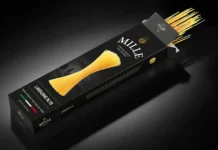
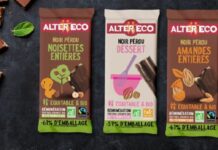
One of the most dominant visual shifts in recent years is the move toward “essentialism” in design. Brands are increasingly stripping away cluttered graphics and overly complex color palettes in favor of clean, bold, and minimalist aesthetics. This trend is driven by a consumer desire for transparency and honesty. A simple, well-executed design suggests that the brand has nothing to hide and that the quality of the product speaks for itself. These packaging design trends utilize high-quality substrates and subtle tactile finishes such as soft-touch coatings or embossed textures to convey a sense of premium quality without the need for loud, distracting elements.
Typography as a Central Design Element
With the reduction of illustrative clutter, typography has moved to the forefront of the design process. Large, legible, and often custom-designed fonts are being used to create an immediate brand identity. This approach serves a dual purpose: it ensures that the product’s name and key benefits are visible from a distance, and it provides a unique visual signature that is difficult for competitors to replicate. In these packaging design trends, the negative space around the text is just as important as the text itself, creating a balanced and harmonious look that appeals to the modern consumer’s sense of order and clarity.
The Psychology of Color and Emotional Connection
While minimalism is popular, the strategic use of color remains a powerful tool for triggering emotional responses and aiding in shelf differentiation. We are seeing a move away from the bright, artificial colors of the past toward more organic, earthy tones that reflect a commitment to natural ingredients and sustainability. However, bold “pop” colors are also being used effectively as accents to draw the eye to specific functional features or calls to action. These packaging design trends rely on a deep understanding of color psychology to ensure that the visual identity of the package is perfectly aligned with the brand’s core values and the expectations of its target audience.
Structural Innovation and the User Experience
The aesthetic appeal of a package is what draws a consumer in, but it is the functional design that determines their long-term satisfaction. Structural innovation is at the heart of modern packaging design trends, with a focus on creating containers that are intuitive to open, easy to store, and practical to use. The transition from rigid to flexible formats, for instance, is not just about cost; it is about providing a package that can be resealed, squeezed, or collapsed as it is used. This focus on “active use” ensures that the package adds value to the product throughout its entire lifespan, rather than becoming a source of frustration.
Ergonomics and Inclusive Design
A significant trend within the industry is the focus on inclusive design, ensuring that packaging is accessible to users of all ages and abilities. This involves the careful consideration of the physical forces required to open a container and the grip points provided by the structure. Packaging design trends in this area include larger, easy-to-turn caps, clear visual indicators for opening mechanisms, and shapes that fit naturally into the human hand. By prioritizing ergonomics, brands can expand their market reach and demonstrate a level of empathy for their customers that builds deep-seated brand loyalty.
The Integration of Smart Features
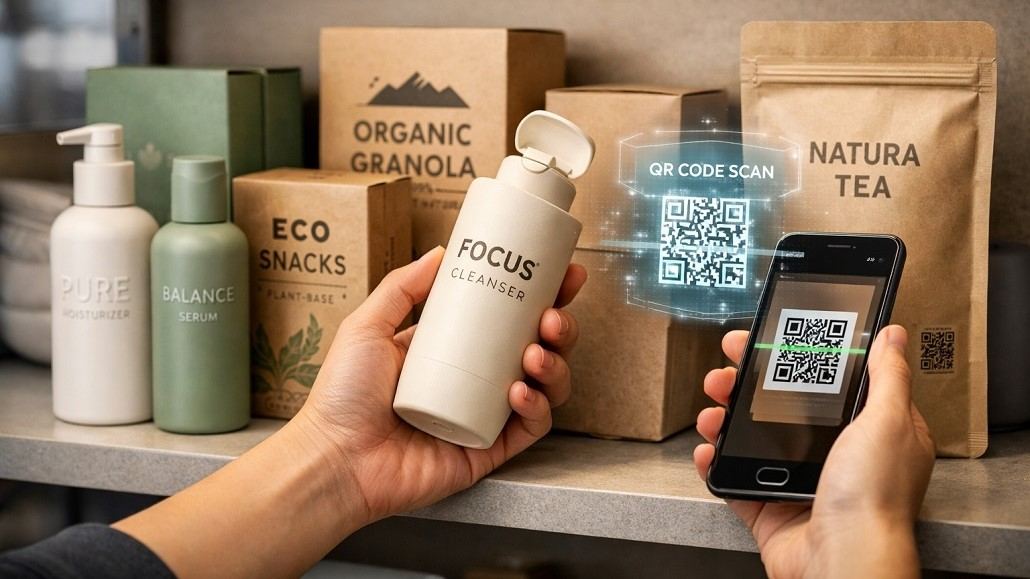
The definition of “function” is expanding to include digital interactivity. The integration of QR codes, NFC tags, and augmented reality elements is one of the most exciting packaging design trends of the decade. These features allow a static package to become a dynamic gateway to a wealth of information. A consumer can scan a code to see a video of the product being used, to access recipes, or to verify the product’s authenticity. This digital layer adds immense functional value without cluttering the physical aesthetic of the package, allowing designers to maintain a clean look while still providing all the information a modern consumer demands.
Sustainability as a Design Constraint
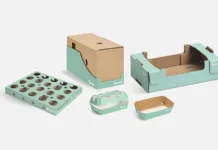
Sustainability is no longer an optional “add-on” to the design process; it is a fundamental constraint that shapes every decision. The challenge for modern designers is to create eco-friendly packaging that does not look “cheap” or compromise on performance. Current packaging design trends are seeing a creative use of recycled materials, such as molded pulp or FSC-certified papers, which are being transformed into sophisticated, premium-looking structures. The “unprocessed” look of these materials is being embraced as a badge of honor, signaling the brand’s environmental credentials in a way that is both visually appealing and ethically sound.
Reducing the Footprint Through Optimization
Design optimization is another key aspect of the sustainability movement. By using advanced software to analyze the structural integrity of a package, designers can remove excess material without compromising on strength. This “lightweighting” is one of the most effective packaging design trends for reducing environmental impact and transportation costs. The resulting designs often have a sleeker, more modern appearance that reflects the efficiency of the manufacturing process. Furthermore, the push toward mono-material designs ensures that the package is not only beautiful but also fully compatible with existing recycling infrastructure.
The Return of Reusable and Refillable Formats
As we move toward a circular economy, there is a renewed interest in packaging that is designed to be kept rather than thrown away. These packaging design trends involve creating high-quality, durable containers that consumers are proud to display in their homes. Whether it is a beautifully designed glass bottle for a premium soap or a sleek metal tin for coffee, the goal is to create an object of value. This approach shifts the design focus from the “moment of purchase” to the “lifestyle of the user,” ensuring that the brand remains a constant, positive presence in the consumer’s daily routine.
Conclusion: Designing for the Future
The evolution of packaging design is a reflection of the broader changes in our society. We are moving toward a world that values simplicity, efficiency, and environmental responsibility, and our packaging must reflect these priorities. The most successful packaging design trends are those that manage to weave these diverse requirements into a single, cohesive narrative. By balancing the immediate visual impact of the package with the long-term functional needs of the user, designers can create a brand experience that is both memorable and meaningful.
As technology continues to advance and consumer expectations continue to rise, the role of the packaging designer will only become more critical. They are the bridge between the product and the person, the brand and the world. By staying at the forefront of packaging design trends and embracing the challenges of the modern marketplace, they can ensure that every package is not just a container, but a work of art that serves a vital purpose. The future of packaging is bright, defined by a commitment to excellence that celebrates both the beauty of the design and the power of its function.

