













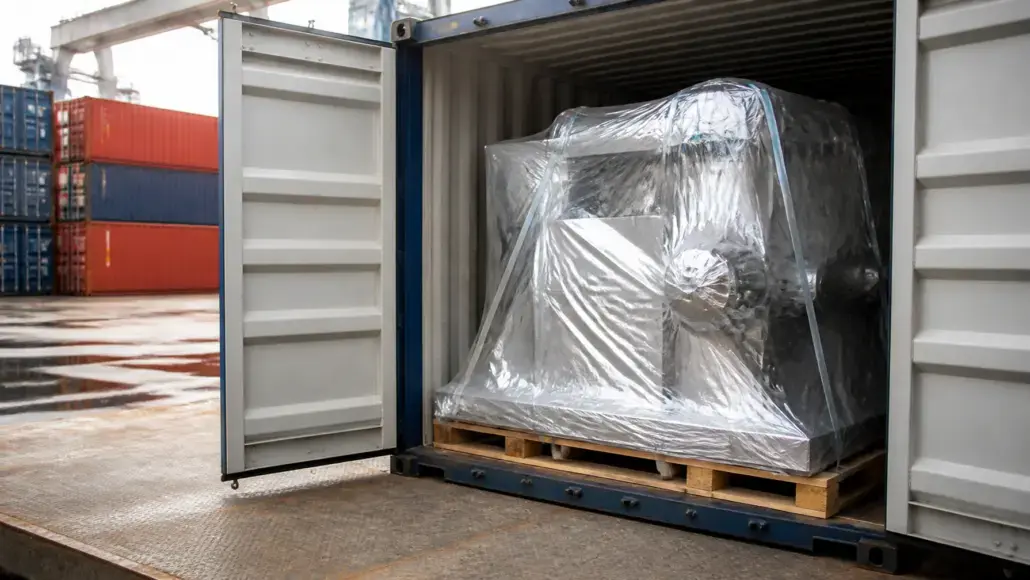
The globalization of industrial trade has necessitated a dramatic increase in the sophistication of protective measures for goods in transit. When machinery, electronics, or chemical components are shipped across oceans, they are exposed to a range of atmospheric threats that can lead to rapid degradation. The primary defense against these forces is the implementation of advanced barrier packaging, which serves as a hermetic shield between the asset and the external environment. These systems are designed to prevent the ingress of moisture, oxygen, and other corrosive gases that can trigger oxidation, mold growth, or electrical failure. By maintaining a stable internal climate within the shipping container, manufacturers can ensure that their products arrive at their destination in factory-fresh condition, regardless of the duration or severity of the journey.
The effectiveness of these protective measures is rooted in the material science of flexible laminates. Modern barrier solutions utilize a multi-layered approach, combining different polymers and foils to achieve specific permeability ratings. The goal is to create a material that is not only resistant to gas transmission but also physically resilient enough to withstand the mechanical stresses of the supply chain. This requires a precise balance between flexibility and puncture resistance, as even a microscopic breach in the barrier can compromise the entire protective strategy. As industries move toward higher-value and more sensitive equipment, the demand for ultra-high-performance barriers has become a central component of the logistical planning process.
Multilayer Film Technology Advancements
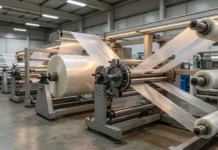
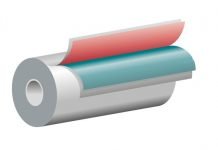
The core of modern atmospheric protection lies in the construction of multilayered films that provide a synergistic defense against contaminants. A typical high-performance barrier will consist of several distinct layers, each serving a specific function. The outer layer is usually a tough polymer, such as polyester or polyethylene, designed to resist abrasion and tearing during handling. Beneath this lies the primary barrier layer, often composed of aluminum foil or specialized resins like EVOH (Ethylene Vinyl Alcohol). This central layer is responsible for blocking the transmission of water vapor and oxygen, providing the low permeability rates required for long-term storage.
Recent advancements in nanotechnology have led to the development of even thinner and more efficient barrier layers. By integrating nano-clay particles into the polymer matrix, engineers can create a “tortuous path” for gas molecules, significantly reducing the rate of transmission without increasing the thickness of the film. This allows for the creation of lighter and more flexible packaging solutions that maintain superior protective qualities. Furthermore, the use of vacuum-metallized films offers a cost-effective alternative to solid aluminum foil in applications where extreme barrier properties are not required. The selection of the specific film structure is a critical engineering decision, based on the sensitivity of the product and the expected environmental conditions of the transit route.
Atmospheric Control in Sealed Units
Achieving a hermetic seal is only the first step in protecting industrial goods; the quality of the atmosphere inside the package must also be managed. When a piece of machinery is sealed within a barrier bag, a certain amount of ambient air is trapped inside. If this air contains significant moisture, condensation can occur as the temperature fluctuates during transit, leading to the very damage the packaging was intended to prevent. To address this, industrial specialists use vacuum sealing or nitrogen flushing to remove as much moisture and oxygen as possible before the final seal is applied. This creates a stable, inert environment that is resistant to chemical changes.
- Vacuum sealing reduces the internal air volume, minimizing the amount of moisture available for condensation cycles.
- Nitrogen flushing replaces oxygen with an inert gas, preventing oxidation and inhibiting the growth of aerobic microorganisms.
- Static-shielding properties can be integrated into the barrier film to protect sensitive electronics from electrostatic discharge.
- Heat-sealing techniques ensure a consistent and durable bond that is resistant to the pressure changes encountered during high-altitude air freight.
The maintenance of this internal atmosphere requires the use of high-quality sealing equipment and rigorous quality control procedures. Even the best barrier packaging will fail if the seams are not perfectly fused. Specialized heat sealers are used to apply a consistent temperature and pressure across the entire width of the seal, creating a bond that is as strong as the film itself. Furthermore, the use of visual indicators, such as humidity cards that can be viewed through a transparent window, allows for the non-destructive monitoring of the internal conditions. This proactive approach to atmospheric control ensures that the protective envelope remains intact throughout the entire logistics lifecycle.
Testing Protocols for Global Resilience
To validate the performance of barrier systems, industries employ a range of standardized testing protocols that simulate the rigors of international shipping. The most critical of these is the measurement of Water Vapor Transmission Rate (WVTR) and Oxygen Transmission Rate (OTR). These tests quantify the amount of gas that can pass through a specific area of the film over a 24-hour period under controlled temperature and humidity conditions. For high-value industrial goods, a WVTR of less than 0.01 grams per square meter is often the minimum requirement for long-term protection.
In addition to permeability testing, the physical durability of the barrier is assessed through puncture resistance and tensile strength tests. During transit, packaging may be subjected to the sharp edges of internal bracing or the external pressures of stacking. The ability of the film to maintain its integrity under these stresses is essential for preventing leaks. Environmental stress-cracking tests are also performed to ensure that the polymers do not become brittle or fail when exposed to the extreme temperature fluctuations common in maritime or trans-continental transport. By subjecting every new barrier design to this rigorous testing, packaging engineers can provide a data-driven guarantee of safety for the assets they are protecting.
Integration with Moisture Desiccants
Even with a perfect hermetic seal, a small amount of moisture can still be present on the surface of the equipment or trapped within internal cavities. To neutralize this residual moisture, barrier packaging is almost always used in conjunction with industrial-strength desiccants. These moisture-absorbing materials, typically composed of silica gel or bentonite clay, are placed inside the barrier bag before sealing. The quantity of desiccant required is calculated based on the internal air volume, the surface area of the barrier, and the expected duration of the shipment. This ensure that the relative humidity inside the package remains below the critical threshold for corrosion.
The placement of desiccants is as important as the quantity. They must be distributed strategically to ensure that all areas of the package are protected, and they should never be in direct contact with sensitive metallic surfaces, as the moisture they collect could cause localized corrosion. In large-scale industrial crates, desiccants are often hung from the internal bracing or placed in specialized pouches to prevent shifting. The use of indicating desiccants, which change color as they become saturated, provides a final layer of security by allowing for the immediate identification of a breach in the barrier. This integrated approach creates a robust defense that can withstand even the most humid tropical shipping routes.
Environmental Sustainability of Barrier Materials
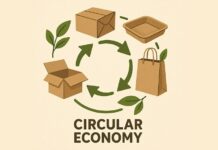
The industrial packaging sector is facing increasing pressure to reduce its environmental footprint, leading to a search for more sustainable barrier solutions. Traditional multilayer films, while highly effective, are difficult to recycle because the different polymer layers cannot be easily separated. To address this, researchers are developing monomaterial barrier films that utilize high-performance coatings to achieve the necessary permeability ratings. These materials can be recycled through standard plastic waste streams, significantly reducing the amount of waste generated by the global logistics industry.
In addition to recyclability, the reduction of material usage through downgauging is a key sustainability strategy. By utilizing the aforementioned advancements in nanotechnology, companies can achieve the same level of protection with thinner films, reducing the total volume of plastic required for each shipment. The adoption of bio-based polymers for the outer protective layers is also gaining traction, offering a further reduction in the reliance on fossil fuels. These sustainable advancements are being integrated with corrosion inhibiting packaging to create a comprehensive and green protection strategy. As global regulations surrounding single-use plastics become more stringent, the transition toward these eco-friendly barrier systems will be essential for the continued operation of the industrial supply chain.
The future of international shipping protection lies in the fusion of high-performance material science and environmental responsibility. As the demand for global industrial exchange continues to grow, the ability to protect assets from the silent threat of atmospheric degradation will remain a critical priority. By investing in advanced barrier packaging and integrated moisture control systems, manufacturers can ensure that their products are delivered in perfect condition, ready to support the next generation of global infrastructure. The commitment to superior protection is a commitment to the reliability and integrity of the international economy.

