


















The preservation of metallic integrity is a fundamental pillar of industrial logistics, particularly when components are subjected to the harsh conditions of maritime transport or prolonged outdoor storage. Corrosion is not merely a cosmetic issue; it represents a significant threat to the structural and functional performance of high-precision parts. As industries move toward more complex and delicate alloys, the demand for sophisticated corrosion inhibiting packaging has intensified. These technologies work by creating a controlled micro-environment that neutralizes the chemical reactions leading to oxidation. By employing advanced vapor-phase inhibitors, manufacturers can protect intricate surfaces without the need for traditional greases or oils, which often require labor-intensive removal and specialized disposal procedures.
The transition toward dry-to-touch protection has revolutionized the assembly line, allowing parts to be integrated directly into machinery upon arrival. This efficiency is achieved through the use of specialized films and papers that are impregnated with volatile molecules. These molecules sublimate from the packaging material and form a molecularly thin protective layer on the metal surface. This layer acts as a barrier against moisture and industrial pollutants, ensuring that even the most recessed areas of a component remain free from rust. The effectiveness of these systems is dependent on the equilibrium established within the sealed package, making the quality of the outer barrier as critical as the inhibitor itself.
Molecular Science of Volatile Inhibitors
The core mechanism of modern rust prevention lies in the behavior of Volatile Corrosion Inhibitors (VCIs). These chemical compounds are designed to vaporize at ambient temperatures and migrate through the air within a package. Once they encounter a metallic surface, they are adsorbed, forming a protective film that is only a few molecules thick. This film does not alter the physical properties of the metal, such as conductivity or dimensional tolerances, making it ideal for electronics and high-tolerance aerospace parts. The chemistry of these inhibitors is highly specialized, with different formulations optimized for ferrous metals, yellow metals, or multi-metal combinations.
Effective use of corrosion inhibiting packaging requires a careful calculation of the vapor pressure and saturation levels. If a package is not properly sealed, the protective molecules will escape into the atmosphere, leaving the metal vulnerable to attack. Furthermore, the distance between the VCI source and the metal surface must be managed to ensure rapid saturation. In large-scale industrial applications, engineers often use VCI emitters or specialized foam inserts to provide additional chemical volume in cavernous crates. This ensures that the protective atmosphere is maintained even if the package is opened for customs inspections or if the environmental conditions fluctuate significantly during transit.
Environmental Factors in Metal Preservation
The rate of corrosion is exponentially increased by the presence of electrolytes, primarily moisture and salt ions. Industrial goods traveling through tropical climates or across oceans are exposed to high humidity and salt spray, which can penetrate even well-constructed wooden crates. To combat these forces, corrosion inhibiting packaging must be used in conjunction with high-performance barrier packaging to create a multi-layered defense. The integration of moisture-absorbing desiccants further enhances this protection by maintaining the relative humidity below the critical threshold for oxidation.
- Relative humidity levels above 60 percent significantly accelerate the oxidation process for untreated steel components.
- Atmospheric pollutants, such as sulfur dioxide and nitrous oxides, act as catalysts for electrochemical corrosion in industrial environments.
- Temperature fluctuations cause condensation cycles within the packaging, providing the liquid water necessary for rust formation.
- Surface contamination, including salts from human handling or residual cutting fluids, can create localized corrosion cells under the protective film.
Addressing these environmental variables requires a holistic approach to the packaging process. It begins with the thorough cleaning of the components to remove any pre-existing contaminants that could trap moisture against the metal surface. Once cleaned, the items should be wrapped immediately in VCI materials to establish the protective atmosphere before any atmospheric moisture can settle. This proactive strategy ensures that the chemical inhibitors are working against a clean surface, maximizing their effectiveness and extending the storage life of the asset. The goal is to create a stable internal climate that is indifferent to the external weather conditions.
Application Methods for Large Components
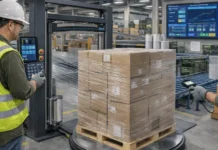
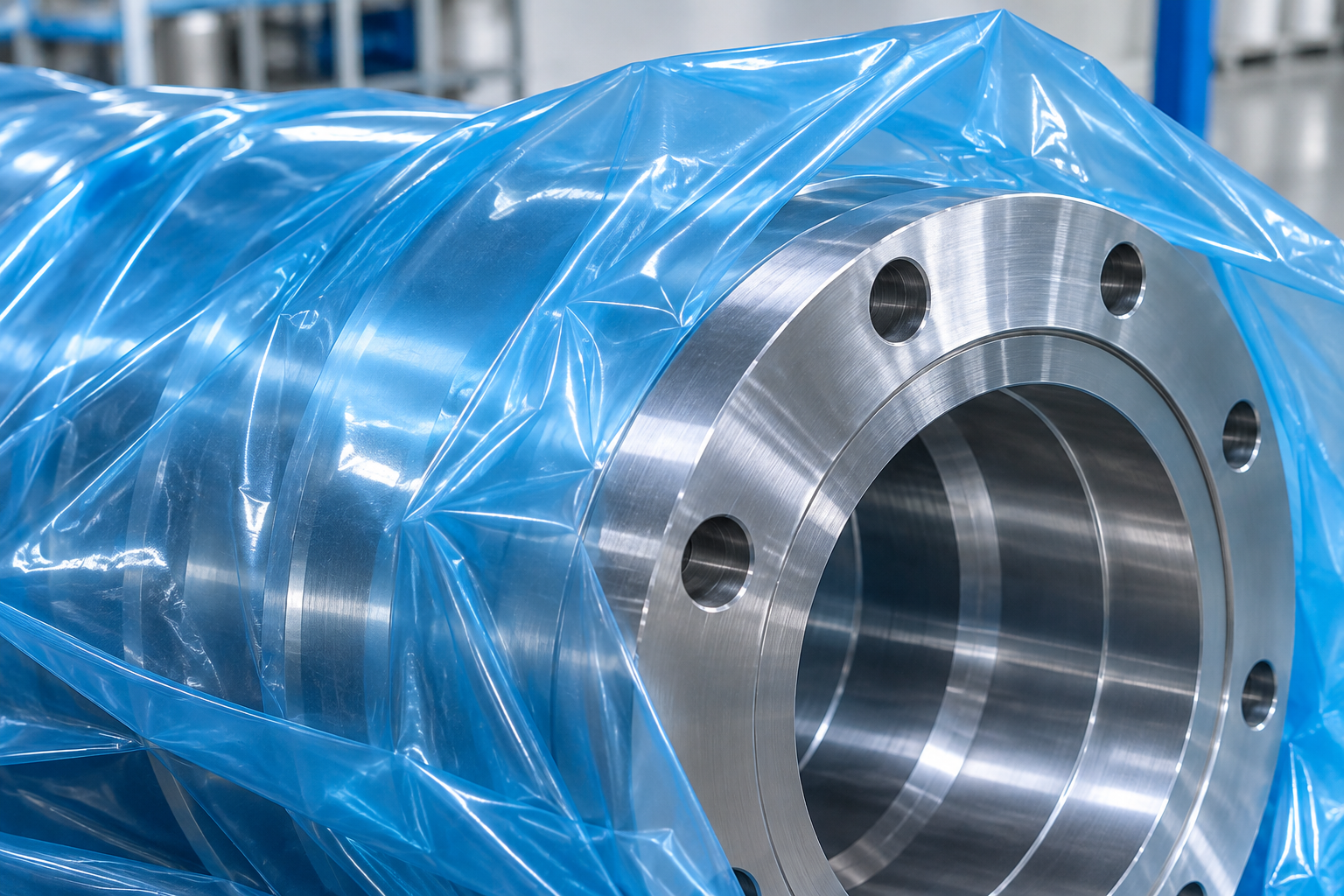
Protecting large-scale industrial machinery presents unique logistical challenges compared to small parts. Large assemblies often have complex geometries with many hidden cavities where moisture can accumulate. For these applications, the use of shrink-wrapped VCI films has become a preferred method. These films are heated to conform to the shape of the machine, creating a tight, aerodynamic seal that is resistant to tearing and UV degradation. This method is particularly effective for heavy machinery that must be transported on flat-bed trucks or open-deck ships, as it provides both mechanical protection and chemical inhibition.
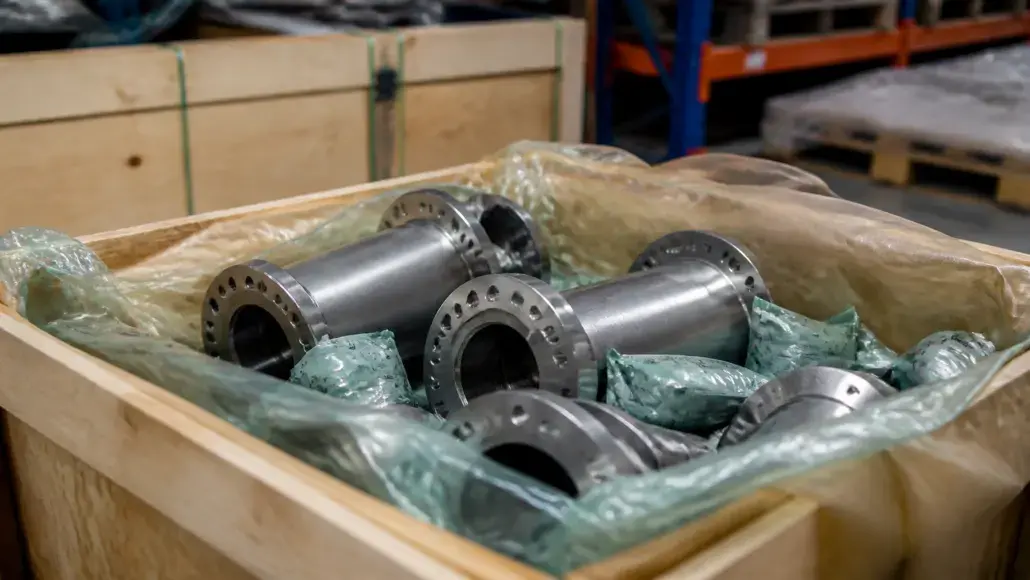
For components that are stored in crates, VCI-impregnated paper or liners are used to shroud the entire interior. This approach creates a large reservoir of protective molecules that can saturate the air volume of the crate. In cases where the equipment has internal fluid systems, such as engines or gearboxes, specialized VCI oil additives or water-based concentrates can be used to protect the internal surfaces. These internal inhibitors complement the external packaging, providing a comprehensive 360-degree protection strategy. The choice of application method is dictated by the duration of storage, the severity of the transit route, and the specific sensitivity of the metal alloys involved.
Longevity and Storage Reliability
One of the primary advantages of advanced chemical protection is the extension of the shelf life of industrial components. Properly implemented corrosion inhibiting packaging can protect metal parts for several years, even in non-climate-controlled warehouses. This reliability is crucial for the spare parts industry, where components may sit in inventory for long periods before being needed for maintenance. The ability to guarantee that a part will be ready for immediate use, without the need for cleaning or refurbishing, significantly reduces downtime and operational costs for the end-user.
To ensure long-term reliability, companies must conduct regular audits of their packaging materials. The chemical potency of VCI films can degrade over time if exposed to extreme heat or sunlight before use. Therefore, inventory rotation and proper storage of the packaging materials themselves are essential. Furthermore, the use of indicator strips that change color when the inhibitor concentration falls below a safe level provides a simple yet effective way to monitor the status of stored assets. This data-driven approach to storage ensures that any breach in the protective envelope is identified and rectified before significant damage occurs. The ability to track the remaining potency of the chemical inhibitors allows facilities to schedule re-preservation activities precisely when needed, rather than following a rigid and often wasteful time-based schedule. This optimization of maintenance labor and material usage is a key factor in the operational excellence of modern industrial storage facilities, ensuring that assets are always protected at the lowest possible cost.
Sustainability in Chemical Protection
The environmental impact of industrial chemicals is a growing concern for the global packaging sector. Traditional corrosion inhibitors often contained nitrites or heavy metals that posed health risks to workers and environmental hazards during disposal. Modern corrosion inhibiting packaging has largely shifted toward nitrite-free and bio-based formulations that are safer to handle and easier to recycle. These advancements allow companies to meet their sustainability targets without compromising the safety of their high-value metal assets. The development of compostable VCI films is a particularly exciting area of research, potentially offering a completely green solution for short-term protection.
In addition to chemical safety, the reduction of secondary packaging waste contributes to the sustainability of the process. By eliminating the need for greasy coatings and the subsequent cleaning solvents, the entire lifecycle of the component becomes more environmentally friendly. The reduction in water usage and chemical runoff associated with traditional rust prevention methods is substantial. As regulations surrounding industrial waste become more stringent, the adoption of these clean protection technologies will become a mandatory requirement for global manufacturers. This alignment of economic efficiency and environmental responsibility is the hallmark of modern industrial packaging engineering.
The future of metal preservation will likely involve even more precise molecular engineering and the integration of smart indicators. As the global supply chain becomes more complex, the ability to protect assets from the silent threat of oxidation will remain a critical competitive advantage. By investing in high-quality chemical inhibitors and robust barrier systems, industries can ensure that their metallic components are delivered in perfect condition, ready to power the next generation of industrial progress. The commitment to superior protection is a commitment to the longevity and reliability of the global infrastructure.

