









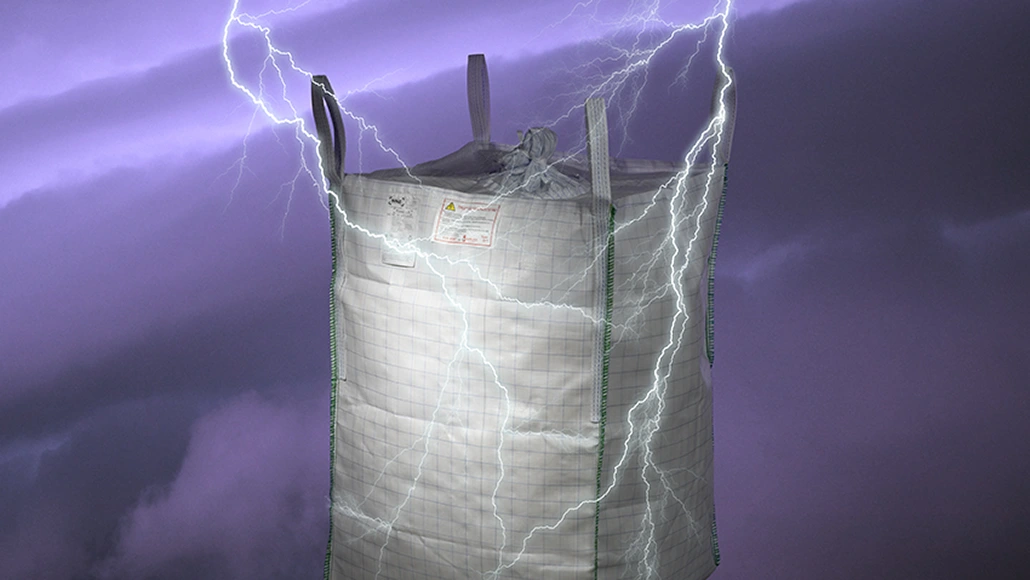

Sustainability is no longer a side conversation in packaging. It is part of how buyers compare suppliers, how regulators set expectations, and how companies report on their operations. For any business that moves dry bulk goods, this raises a fair question: can large-format packaging be efficient and responsible at the same time? Big bags, also known as Flexible Intermediate Bulk Containers (FIBCs), make a strong case that it can.
A recyclable material at the core
Most of a big bag’s environmental story starts with what it is made of. A big bag is a large, woven container produced mainly from polypropylene. That single material choice does a lot of work. Polypropylene is strong enough to carry heavy loads, light enough to keep transport weight down, and recyclable at the end of its service life. A bag that can no longer be used does not have to end up as landfill waste; the material can re-enter the recycling stream and be processed into new products.
Recyclability only delivers its full value when the rest of the system supports it. That is why what happens before recycling matters just as much.
Reuse before recycling
The most sustainable package is the one you do not have to replace. Many big bags are built for more than one cycle of filling, transport, and emptying. With a simple inspection routine, checking lifting loops, seams, and fabric for wear or contamination before each reuse, a single bag can replace dozens of single-use packages over its working life.
Reuse keeps material in service longer and spreads the environmental cost of production across many trips instead of one. It is the same logic that makes big bags practical across so many sectors. The advantages that apply to big bags in agriculture hold equally for construction, chemicals, and food production: fewer packages, handled more times, with less waste at every stage.
Less packaging, lighter transport
The sustainability benefits extend well beyond the bag itself. A big bag can hold up to around 2,000 kg, so one container does the work of many smaller sacks or boxes. That consolidation cuts the total volume of packaging a business has to buy, store, and eventually dispose of.
Empty big bags also fold flat. An empty bag takes up very little room, which makes return transport and storage far more efficient. Fewer trucks moving empty packaging means lower fuel use and lower emissions, which is a modest but real contribution to a lighter supply chain.
There is a less visible benefit too. Fitted with the right liner, a big bag protects its contents from moisture, oxygen, and contamination. Better protection means less spoilage and fewer rejected loads. For food and feed especially, packaging that prevents waste of the goods inside is doing sustainability work that never appears on a recycling label.
Choosing big bags with sustainability in mind
Getting the most environmental value from big bags comes down to a few practical decisions. Specify a construction strong enough for repeated use, so a bag does not fail early. Match the liner and ventilation to the product, so contents stay in good condition and waste stays low. And put a reuse and inspection routine in place, so bags are retired only when they actually need to be, and then sent for recycling rather than straight to disposal.
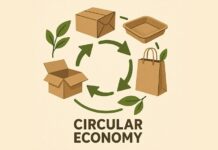
Suppliers are increasingly set up to support this. Packaging specialists now frame their work around circularity, recycled content, and measurable reductions in environmental impact, rather than vague claims. Choosing a supplier that treats sustainability as a concrete target makes it far easier to align your own packaging with your environmental goals.
The bottom line
Big bags earn their place in a sustainable operation on several fronts at once: a recyclable base material, a design built for reuse, a high capacity that reduces total packaging, a flat-folding shape that lightens return transport, and protective performance that prevents product waste. None of these is dramatic on its own. Together, they make big bags a responsible choice for moving dry bulk goods.
For any business reviewing its packaging footprint, that combination is worth a closer look, because the most effective sustainability improvements are often the ones that also make everyday logistics simpler.