



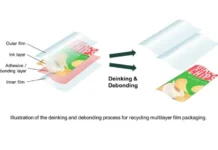





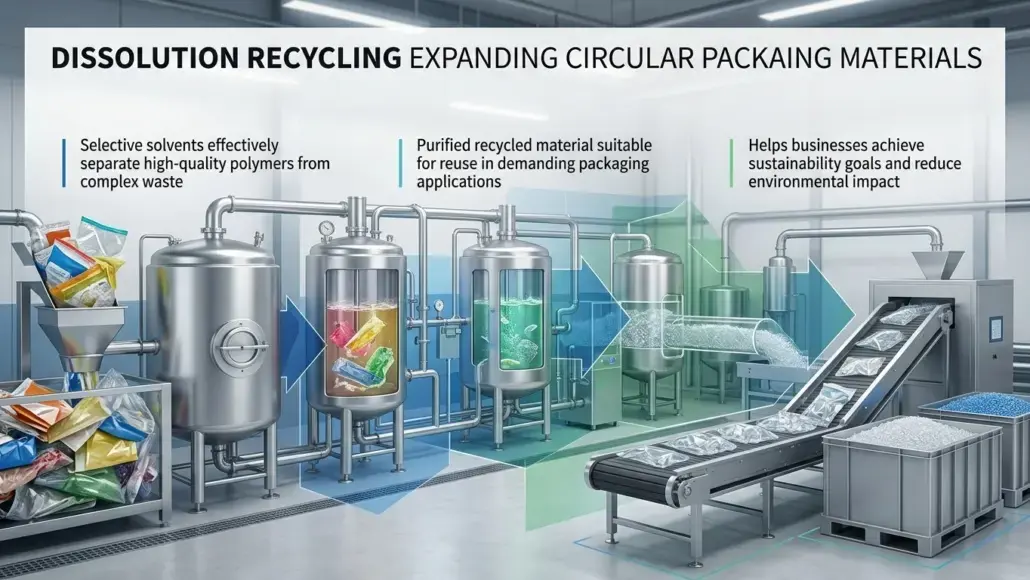
The global effort to close the loop on plastic packaging has led to the emergence of advanced recovery technologies that bridge the gap between traditional mechanical recycling and energy intensive chemical processes like pyrolysis. Among these, dissolution recycling has gained significant traction as a viable method for recovering high purity polymers from complex, multi layer waste streams. This process, also known as solvent based extraction, involves the selective dissolving of specific polymers in a solvent, followed by their reprecipitation as clean, virgin like resins. This approach is particularly effective for polyolefins such as polyethylene and polypropylene, which constitute the majority of flexible and rigid packaging formats.
Unlike mechanical recycling, which often results in the downgrading of material due to the presence of contaminants and degraded polymer chains, this method preserves the molecular structure of the plastic. By selectively removing additives, inks, and adhesives during the dissolution phase, the technology can produce recycled resins that are indistinguishable from their virgin counterparts. This capability is essential for meeting the strict requirements of the food and pharmaceutical sectors, where the purity and safety of the packaging material are paramount. As the industry faces mandatory targets for recycled content under the European Packaging and Packaging Waste Regulation, the scaling of these advanced recovery methods is becoming a strategic priority.
Solvent Selection and Recovery Efficiency in Solvent Based Extraction
The efficiency and environmental impact of the dissolution process are heavily dependent on the choice of solvent. The ideal solvent must be able to dissolve the target polymer quickly and selectively at relatively low temperatures, while being easy to recover and reuse. Industrial researchers are focusing on non toxic, high boiling point alkanes and other organic compounds that offer a balance between solubility and safety. The goal is to create a closed loop system where the solvent is continuously recycled within the facility, minimizing the need for fresh chemical inputs and reducing the overall carbon footprint of the operation.
Selectivity is another key factor in solvent selection. In a mixed plastic waste stream, the solvent must be able to target one specific polymer while leaving others untouched. For instance, a facility may use one solvent to extract polyethylene from a multi layer film, followed by a different solvent to recover the polyamide or PET layers. This sequential extraction allows for the recovery of multiple high value materials from a single input stream, significantly improving the economic viability of the process. The development of specialized catalysts and additives that can enhance the solubility of specific polymers is an ongoing area of innovation in the chemical sector.
Recovery of the solvent from the polymer solution is typically achieved through changes in temperature or the addition of an anti solvent. This stage is energy intensive, and optimizing the thermal efficiency of the recovery unit is critical for the commercial success of the technology. Advancements in membrane separation and vacuum distillation are helping to reduce the energy requirements of solvent recovery, making the process more competitive with virgin plastic production. By maintaining a high solvent recovery rate, often exceeding 99%, manufacturers can ensure that the process remains both economically and environmentally sustainable over the long term.
Purity Standards for Food Contact Approved Recycled Resins
One of the primary advantages of dissolution recycling is its ability to remove a wide range of contaminants that are difficult to eliminate through mechanical means. This includes legacy additives like phthalates or flame retardants, as well as odors and colorants that can affect the quality of the recycled resin. The selective nature of the dissolution process ensures that only the target polymer chains are recovered, leaving the impurities behind in the solvent stream. This results in a product that meets the stringent migration limits required for food contact applications, a major hurdle for the widespread adoption of recycled plastics.
Achieving these purity standards requires rigorous testing and validation. Recycled resins produced through dissolution must undergo extensive chemical analysis to ensure that no solvent residues or harmful degradation products remain in the material. Regulatory bodies, such as the European Food Safety Authority, have established clear guidelines for the approval of new recycling processes, and several solvent based technologies have already received positive opinions. The ability to provide a consistent, high purity output is a significant competitive advantage in a market where brand owners are desperate for food grade recycled content to meet their sustainability commitments.
The removal of odors is particularly important for products like bottled water or dairy packaging, where even minute traces of volatile organic compounds can affect the sensory profile of the contents. Mechanical recycling often struggles with persistent odors from previous uses, such as detergents or pesticides. The dissolution process effectively “washes” the polymer at a molecular level, resulting in a resin that is functionally identical to virgin material. This allows for the use of recycled content in a wider range of applications, including those with the most demanding quality requirements, further driving the transition toward a truly circular packaging economy.
Integration with Existing Mechanical and Chemical Infrastructure
For dissolution recycling to reach its full potential, it must be integrated into the existing waste management and processing infrastructure. Rather than replacing mechanical recycling, solvent based methods can act as a high value secondary stage. Mixed plastic waste that is too contaminated or complex for mechanical processing can be diverted to a dissolution facility, while simpler, high purity streams continue to be handled by traditional methods. This hybrid approach maximizes the total recovery rate of materials and ensures that each type of waste is treated in the most efficient manner possible.
The output of the dissolution process, typically in the form of pellets or flakes, can be used directly by existing packaging converters without the need for specialized equipment. This ease of integration is a major advantage over some other chemical recycling methods that produce liquid feedstocks requiring further processing in a refinery. By providing a “drop in” solution, dissolution recycling can be quickly scaled across the global supply chain, leveraging the massive investment already made in plastic manufacturing and conversion infrastructure. The ability of this technology to work with existing machinery reduces the barriers to entry for companies looking to incorporate more recycled content into their products.
Additionally, the residuals from the dissolution process, specifically the materials that were not dissolved, can often be sent to other chemical recycling facilities for further processing. For example, the inks and adhesives removed during the extraction of polyolefins can be treated through pyrolysis or gasification to recover their basic chemical building blocks. This multi stage recovery strategy ensures that almost 100% of the carbon in the plastic waste is recovered and reused, virtually eliminating the need for landfilling or incineration. The collaboration between different technology providers is essential for creating a seamless and efficient recovery network that can handle the diversity of modern packaging formats.
Economic Viability and Scaling Polyolefin Recovery Processes
The economic viability of dissolution recycling is driven by the high value of the resulting resins. While the operational costs are higher than those of mechanical recycling, the ability to produce food grade materials that command a premium price makes the process attractive for investors. As the demand for high quality recycled content continues to outstrip supply, the price gap between virgin and recycled resins is likely to widen, further improving the financial case for solvent based extraction. Governments are also providing support through grants and tax incentives for the development of advanced recycling technologies, recognizing their importance for achieving circular economy goals.
Scaling the technology requires significant capital investment in large scale processing plants. Several commercial scale facilities are already in operation or under construction in Europe and North America, with capacities ranging from 10,000 to 50,000 tons per year. These plants demonstrate the feasibility of the process at an industrial scale and provide a blueprint for further expansion. The ongoing development of modular plant designs could also allow for the deployment of smaller, localized facilities near major sources of waste, reducing the costs and emissions associated with transporting bulky plastic scrap.
The long term success of dissolution recycling will also depend on the stability and quality of the input waste stream. Effective collection and sortation systems are necessary to provide a consistent feed of material to the recycling plants. Advances in automated sorting technology, as discussed in other areas of the industry, are helping to improve the purity of the input streams, which in turn improves the efficiency of the dissolution process. As the industry moves toward more standardized packaging designs, the task of recovering specific polymers will become even easier. The continuous refinement of solvent chemistry, process engineering, and supply chain logistics is paving the way for a future where dissolution recycling is a cornerstone of the circular packaging industry. Final success will be measured by the ability of the sector to scale these technologies to a level where they can significantly displace the demand for virgin fossil fuel based polymers.

