



















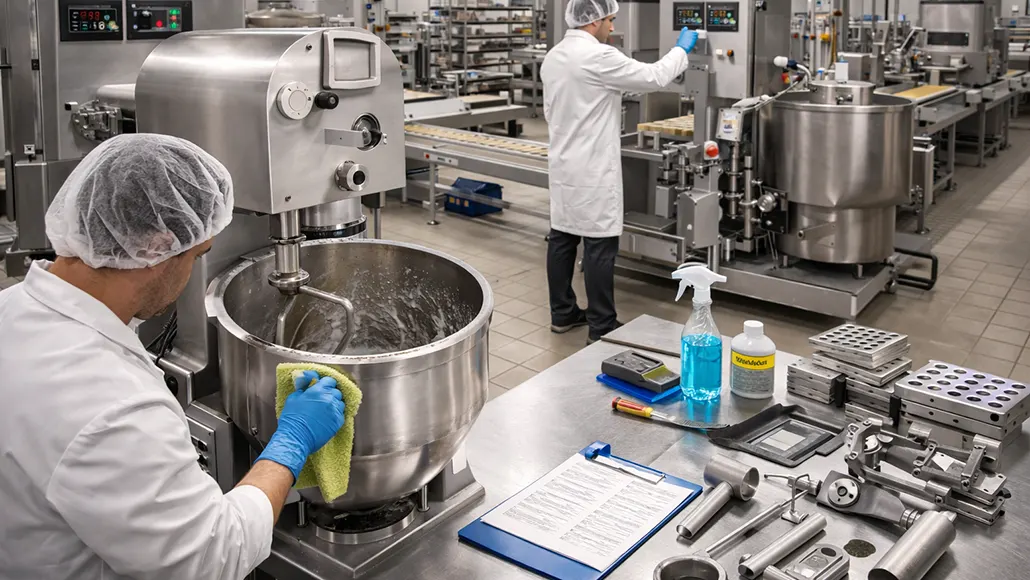

Candy manufacturing is a blend of art and science that requires precision, consistency, and reliable machinery. In that regard, whether you run a small-scale confectionery business or a large-scale manufacturing plant, proper maintenance of your candy-making equipment is key to quality of product, reducing downtime, and increasing the life of your machinery. Also, if you ignore maintenance, you may see expensive repairs, reduced efficiency, and even product contamination. By putting in place a structured maintenance program, you can have your equipment run very well for many years.
Understanding the Importance of Equipment Maintenance
Candy manufacturing equipment is at times put in very high temperature settings they also see a great deal of use from sticky products and have very long run times, which take their toll. They see wear and tear over time as a result. If proper care isn’t given, this equipment will break down, which in turn causes issues with performance and unexpected breakdowns. A regular maintenance schedule is a must in order to prevent these issues, which in turn guarantees better performance, and also it reduces the amount of production downtime.
Also in that regard, it is seen that machines that are well maintained are a factor in upholding food safety standards. It is seen that residue left over from improper cleaning or that isn’t cleaned at all may be home to bacteria, thus reducing product quality and the safety of consumers. Also, it is put forth that maintenance is not just for machine preservation but also for health and compliance.
Daily Cleaning Practices
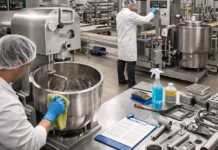
One out of the most critical steps in taking care of equipment is that thorough daily cleaning is performed. Sugar ingredients, syrups, and flavors may put out sticky residues which over time will harden if not cleaned right away.
After every batch run make sure to clean all surfaces with food grade cleaning products. Pay extra attention to elements which come in direct contact with the ingredients like mixers, molds and conveyors. Also take out the removable parts for a more in depth clean which in turn will prevent residue from building up in hard to reach areas.
Proper drying out is key. Equipment which still has moisture in it will see corrosion and bacterial growth. Allow parts to dry fully before reassembling and storing them.
Regular Inspection and Preventive Maintenance
Routine checks should be in place to identify issues before they grow into large scale problems. A set of checklists should also be put together for the main components like belts, motors, gears, and heating elements.
Check for signs of wear out there which includes cracks, unusual noises, overheating, or reduced performance. Addressing them early on will save you from expensive repairs or production delays. Also put in a routine for preventive maintenance at set intervals which may be weekly, monthly or quarterly based on the equipment use this will keep the equipment in best condition.
Lubrication also is a key element in preventive maintenance. There are moving parts that do best with proper lubrication to reduce friction and which in turn prevent premature wear. Use what the manufacturers recommend for lubricants and also stay away from over-lubrication as that tends to bring in dust and debris.
Calibration and Performance Checks
Precision is key in candy production, which includes proper temperature control, time, and consistency, which in turn affect the final product. Regular calibration of equipment should also be done to see that machines are running within the right parameters.
For instance, check thermometers and thermostats at regular intervals to prevent inaccurate results. Improper temperature control may cause candy to cook poorly, which in turn will affect texture and taste.
Performance evaluations also include machine speed and efficiency. Any straying from what is to be the standard performance may point to issues that require attention.
Proper Storage and Handling
While equipment is not in use, proper storage plays a large role in its long-term care. Store machines in a clean and dry environment, which also protects them from dust, moisture, and temperature changes.
Using protective materials for equipment will see to it that contact is reduced, and also they are put in a better position to resist environmental factors. Also see to it that during transport or relocation care is taken so that the equipment does not get physical damage.
Operators also should have training in proper care techniques. Misuse or rough handling will greatly reduce the life of what is at times very rugged machinery.
Using Quality Parts and Accessories
When it comes to replacing components or upgrading parts, always go for the high-quality options. Though they may be a little more expensive at first, inferior parts will cause issues in the long run with more frequent breaks and lower performance.
Investing in reliable candy making equipment, which is maintained with quality components for optimal performance over the long term. Also, by using the recommended parts, they are able to maintain warranty coverage and safety standards.
Training Your Team
Even with the best of maintenance plans, failure is a possibility if operators are not properly trained. Staff must know how to run the equipment as it is intended and also to identify the early signs of trouble.
Training includes instruction on cleaning, basic troubleshooting, and safety in the workplace. It is also encouraged to build a culture of responsibility and attention to detail among team members, which in turn improves equipment longevity.
Keeping Maintenance Records
Keeping accurate logs of all cleaning, inspections, repairs, and parts replaced is a good idea. These logs also track the past and present states of each asset.
Through analysis of maintenance logs recurring issues can be identified and that information can be used to adjust the maintenance strategy. This data driven approach allows for better planning and resource allocation which in turn improves efficiency.
Scheduling Professional Servicing
While in-house maintenance is a must, at the same time professional service, which is periodic in nature, should not be ignored. Professional techs are able to do in-depth inspections they also will identify issues that may be out of sight and do specialized repairs.
Annual or biannual professional service of equipment will ensure in-depth care. That proactive strategy will also see machines’ life span extended and performance at its best.
Conclusion
Maintenance is an ongoing effort in which candy-making equipment requires attention to detail, a disciplined approach, and plenty of planning. From daily cleanouts and routine checks to proper storage and staff training, each step is seen as an investment in the life span and performance of machinery.
By putting in the time and resources into a structured maintenance program it is possible to reduce down time, ensure consistent high quality product output, and in the end get the most out of the equipment investment. In the confectionery business which is very competitive well maintained equipment is not only an advantage but is a requirement for long term success.