







When you buy a container rinser for your packaging line, you make a critical decision that impacts product safety and shelf life. Clean containers help prevent microbial contamination and reduce the risk of chemical or physical residue entering the product. This is especially important when packaging beverages or sensitive consumer goods that demand high purity from start to finish.
Federal agencies expect hygienic practices at every stage, so clean containers can also protect your operation from regulatory violations. Dirty or poorly handled containers can trigger costly recalls and erode consumer trust. Investing in the right rinsing system ensures that cleanliness becomes a built-in part of your quality assurance strategy, which makes your line more compliant and reliable.
The Role of Containers in Product Safety
Containers are the first physical contact point for your product, and that makes their cleanliness nonnegotiable. If they are exposed to dust, moisture or residue, they can introduce spoilage organisms or particulates into your product before it is sealed. This affects product stability and puts your brand’s reputation at risk.
Regulatory bodies hold you accountable for hygiene across every stage of the process. If container sanitation is inconsistent, you are more likely to face noncompliance issues or customer complaints. Investing in clean container practices and the right automation to support them helps you meet these standards confidently.
Where Contamination Risks Begin
Containers can collect contaminants at several points before filling begins. During manufacturing, dust or production residue can settle inside, especially if containers are stacked or stored improperly. In storage or transport, open pallets or shifting loads can introduce debris or airborne particles. These contaminants may go unnoticed but can still alter product taste or trigger compliance issues.
Even a small lapse in container cleanliness can lead to large-scale recalls or customer complaints. It is ideal to buy a container rinser for your packaging line. Ska Fabricating designs automated rinsing, depalletizing and container handling systems that reduce manual contact and protect container integrity from start to finish. By limiting exposure and automating cleanliness, you get more control over quality and fewer surprises down the line.
Why Manual Processes Are Not Enough
Visual inspection and manual handling can only take you so far. It is easy to miss small particles or debris, especially with fast-moving lines or tall containers that are not fully visible. Hygiene practices also vary from person to person. For example, what is clean for one operator may not meet compliance for another. These consistencies create gaps that can lead to contamination and rework.
Manual depalletization is another weak spot. It can take anywhere from 15 minutes to an hour to unload a single pallet, depending on the container type and team size. That is valuable time lost and multiple touchpoints added. Switching to automated depalletizers and conveyance systems from Ska Fab eliminates unnecessary handling and boosts consistency. Its equipment maintains container integrity while increasing throughput, which gives you more control over hygiene without slowing production.
Engineering a Clean, Automated Workflow
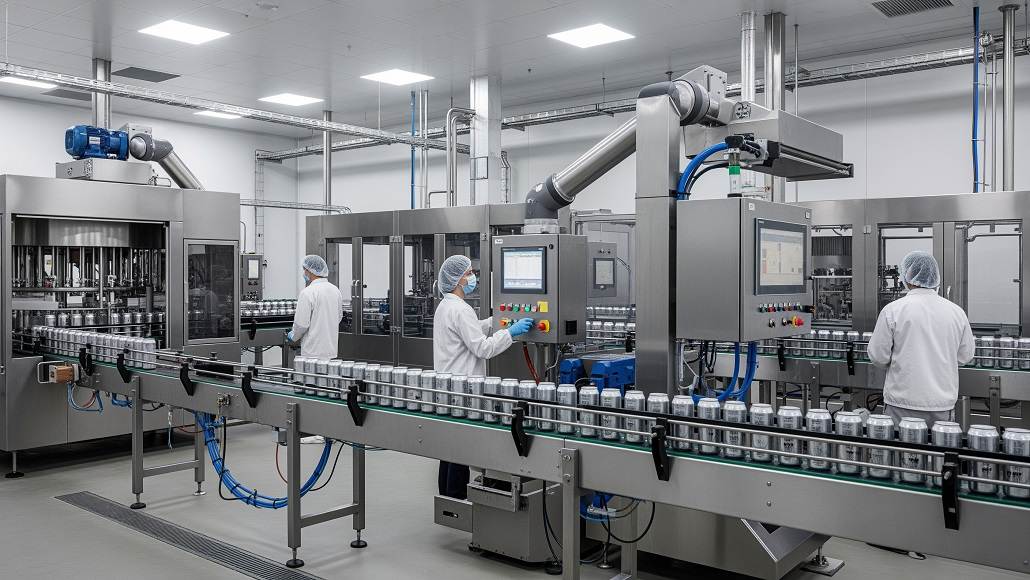
Clean containers are not the result of just one good rinse. They depend on a fully controlled system. From depalletizing to rinsing and filling, each step must be coordinated to prevent recontamination. When you buy a container rinser, it should work in harmony with the rest of your setup, as clean results come from automation.
Automated clean-in-place systems make it easier to stay consistent. They cut labor costs and lower contamination risk from missed steps. Ska Fab’s container handling equipment maintains hygiene through seamless transitions for better debris removal and smooth compatibility with high-speed lines.
When You Need to Buy a Container Rinser for Your Packaging Line, Where Should You Start?
Choosing the right rinsing system involves protecting every product that passes through your line. When you are ready to buy, start with a clear understanding of your container types, production needs and how the rinser fits into your whole system.
-
Understand Your Container Types and Line Speed
Look at the containers you run every day. Are they tall and narrow, short and wide, fragile, or mixed across formats? Your rinser has to keep up, but do so without damaging delicate materials or creating jams. If you are working with multiple SKUs, versatility matters as much as performance.
Line speed also plays a big role. A high-volume operation cannot afford to stop and reset every few minutes. You need a system that keeps pace without sacrificing cleanliness. Choosing the right container rinser means finding that balance between adaptability and throughput. This method ensures your entire line runs fast and with fewer interruptions.
-
Match Rinsing Method to Product Sensitivity
Different products require different rinsing methods, and choosing the wrong one can create more problems than it solves. If you work with dry goods, such as flour or potato starch, moisture can be your biggest enemy. These materials absorb humidity quickly, which can lead to clumping or spoilage. Warehouses storing them often maintain humidity levels below 60% to 65%, so ionized air rinsers are your best option because they remove dust and debris without adding unwanted moisture.
-
Ensure Integration and Scalability
The right container rinser needs to work in harmony with the rest of your packaging line. It should connect seamlessly with your conveyors and inspection systems to avoid bottlenecks or hygiene gaps. As your product mix evolves, your rinsing system should be able to keep up without constant retrofitting or downtime.
It is wise to invest in a modular, integration-ready setup. When you buy a container rinser, flexibility matters as much as performance. Ska Fab’s modular systems help you scale or adapt your line without compromising hygiene. Whether adding new SKUs or upgrading other equipment, its systems make transitions easier and cleaner.
Train Your Team for Hygiene and Consistency
Even with automation in place, the human element remains critical to maintaining clean fills. Skipping a cleaning cycle or failing to follow protocols are among the most common sources of food and beverage contamination. Technology can reduce touchpoints and streamline processes, but it cannot replace operator awareness and accountability.
To strengthen your sanitation energy, develop clear standard operating procedures and reinforce them with hands-on training. Walk teams through each step of the rinsing and container handling process so expectations are consistent across shifts. Use daily checklists to make sure no steps are missed during startup or shutdowns. Regular refreshers and visible reminders help keep hygiene top of mind even in high-speed, automated environments.
A Clean Container Is the Foundation of Product Success
Every clean fill depends on the condition of your containers before product hits the line. It is worth investing in people, processes and the right technology to protect hygiene from the start. When you buy a container rinser for your packaging line, you build a strategic advantage that strengthens product safety and operational performance.