


















Global supply chains are undergoing a fundamental transformation as manufacturers and retailers look for ways to optimize logistics while meeting the increasingly stringent demands of the modern consumer. At the heart of this shift is the rapid expansion of the flexible packaging sector, which has moved from being a niche alternative to a dominant force in the global marketplace. The surge in flexible packaging demand is not merely a trend driven by aesthetic preferences; it is a calculated response to the need for material efficiency, reduced carbon footprints, and the versatile requirements of a digital-first economy. As traditional rigid structures like glass and metal are replaced by high-performance films and pouches, the industry is witnessing a recalibration of how products are protected, transported, and marketed.
The Economic Imperative of Lightweight Formats
One of the primary catalysts for the rising preference for flexible solutions is the significant weight reduction they offer compared to traditional alternatives. In an era where shipping costs are volatile and fuel efficiency is a top priority for logistics providers, the ability to pack more products into a single container without exceeding weight limits is an invaluable advantage. Flexible packaging demand is largely fueled by this economic reality. By utilizing thin, durable films that can be molded into various shapes, companies can reduce the overall weight of their shipments by as much as seventy percent in some categories. This reduction translates directly into lower transportation costs and a diminished environmental impact, as fewer vehicles are required to move the same volume of goods.
Cost Efficiency and Resource Optimization
Beyond the immediate savings in logistics, the production phase of flexible packaging requires significantly less energy and raw material than its rigid counterparts. When evaluating the total lifecycle cost of a package, the efficiency of flexible formats becomes even more apparent. Manufacturers can produce high volumes of pouches and wraps using advanced extrusion and lamination processes that minimize waste. This resource optimization is particularly critical in emerging markets where infrastructure may be less developed, and the cost of raw materials can represent a substantial portion of the final product price. Consequently, the adoption of these formats allows brands to remain competitive in price-sensitive regions while maintaining high standards of product integrity.
Resilience in Global Supply Chains
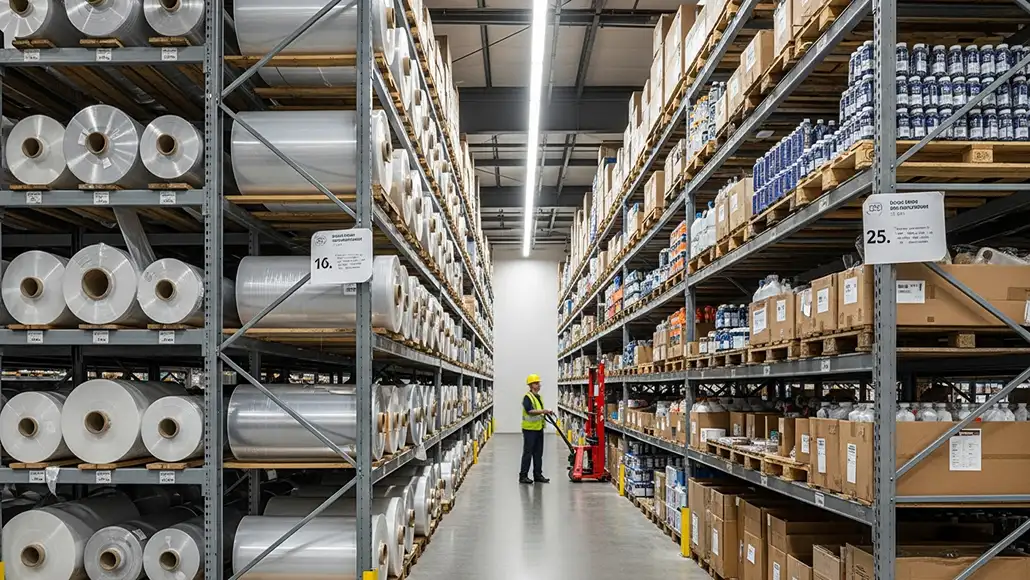
The global landscape has faced numerous disruptions in recent years, highlighting the importance of having a resilient and adaptable packaging strategy. Flexible materials, being easier to store in large quantities due to their flat or rolled nature before filling, offer a level of inventory flexibility that rigid containers cannot match. A warehouse can hold millions of empty pouches in the same space that would only accommodate a fraction of that number in glass jars or tin cans. This spatial efficiency ensures that production lines can continue to operate smoothly even when there are delays in the delivery of secondary components. It is this operational agility that continues to solidify the presence of flexible formats across various industrial sectors.
The Influence of E-commerce and Direct-to-Consumer Models
The explosion of online shopping has fundamentally altered the requirements of a “good” package. In the traditional retail environment, a box needed to stand upright on a shelf and catch a shopper’s eye. In the e-commerce world, the package must survive a complex delivery network that involves multiple touchpoints and potential mechanical stresses. Flexible packaging demand has skyrocketed in this space because it provides an inherent cushion and resistance to impact that glass or brittle plastics lack. Pouch packaging and film wraps are designed to yield rather than break, ensuring that the consumer receives the product in pristine condition regardless of the rigors of the “last mile” delivery.
Enhancing the Unboxing Experience
While durability is paramount, the modern consumer also places a high value on the unboxing experience. Brands are leveraging the high-printability of flexible materials to create vibrant, high-definition graphics that communicate brand values immediately upon arrival. Features such as resealable zippers, easy-tear notches, and integrated spouts enhance the functionality of the package, making it more user-friendly for the busy, on-the-go lifestyle. These convenience-driven designs ensure that the packaging adds value to the product long after it has been removed from the shipping box. As consumer expectations for convenience continue to evolve, the demand for sophisticated flexible designs will only increase.
Versatility Across Food and Non-Food Sectors
The application of flexible formats is no longer limited to snack foods or basic household chemicals. We are seeing a major migration in the pharmaceutical and personal care industries, where precise dosing and high-barrier protection are required. Advanced multi-layer films can now provide the same level of moisture and oxygen protection as glass, extending the shelf life of sensitive products without the risk of breakage. This versatility is a key reason why flexible packaging demand is projected to maintain a steady upward trajectory. From liquid detergents in stand-up pouches to life-saving medical devices in sterile wraps, the adaptability of these materials makes them the go-to choice for innovators across the board.
Sustainability and the Shift Toward Circularity
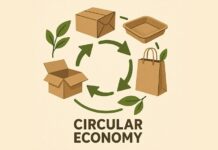
A common criticism of flexible packaging in the past was the difficulty of recycling multi-material laminates. However, the industry has responded with remarkable innovation in mono-material structures that are compatible with existing recycling streams. The push toward a circular economy is a massive driver of current flexible packaging demand. Brands are now actively seeking out polyethylene (PE) or polypropylene (PP) based solutions that offer the necessary barrier properties while remaining fully recyclable. This transition is being supported by regulatory pressure and a growing consumer awareness of plastic waste, pushing manufacturers to invest in research and development for bio-based and compostable films.
Innovations in Material Science
The development of high-barrier coatings that can be applied to thin films is perhaps one of the most significant technical achievements in recent years. These coatings allow for the removal of aluminum foil layers, which previously made recycling impossible. By simplifying the structure of the film while maintaining its protective qualities, the industry is bridging the gap between convenience and environmental responsibility. This evolution is essential for meeting the sustainability goals set by global corporations and international governing bodies. As these technologies scale, the cost of sustainable flexible options is expected to decrease, further accelerating their adoption globally.
Regional Market Dynamics and Growth Drivers
While the demand is rising globally, the specific drivers vary by region. In the Asia-Pacific area, rapid urbanization and a growing middle class are fueling the consumption of packaged food and beverages, leading to a surge in demand for affordable, single-serve flexible formats. In North America and Europe, the focus is more heavily weighted toward premiumization and sustainability. European regulations, in particular, are forcing a rethink of packaging waste, providing a fertile ground for the development of innovative, recyclable flexible solutions. Understanding these regional nuances is vital for global manufacturers looking to capitalize on the overarching trend of flexible packaging demand.
Future Outlook: A Landscape of Continuous Innovation
Looking ahead, the flexible packaging market is poised for even greater sophistication. The integration of smart features, such as QR codes and NFC tags, is turning the package into a digital gateway for consumer engagement and supply chain traceability. As the internet of things (IoT) becomes more prevalent in the manufacturing sector, flexible formats will play a crucial role in providing the surface area and durability needed to house these technologies. The intersection of material science, digital integration, and environmental stewardship will define the next decade of growth in this sector.
Final Thoughts on Market Resilience
The transition toward flexible formats is not just a temporary reaction to current market conditions but a long-term strategic shift. Its ability to solve multiple problems simultaneously reducing costs, lowering emissions, and improving consumer convenience makes it an indispensable part of the global economy. As we continue to see flexible packaging demand rise, it is clear that the companies that embrace these versatile solutions will be the ones best positioned to thrive in an increasingly complex and competitive landscape. The journey toward more efficient and sustainable packaging is well underway, and flexible materials are leading the charge.