














Key Takeaways:
- Labeling technologies are redefining the relationship between brands and consumers by utilizing digital printing labels to offer unprecedented levels of customization and high-resolution aesthetics. This move toward flexible, short-run production allows companies to respond instantly to market trends and consumer preferences, ensuring that packaging design trends remain fresh, relevant, and highly targeted to specific demographics.
- The integration of smart labeling and interactive product labeling solutions is transforming static packaging into dynamic digital interfaces. By embedding NFC, RFID, and QR codes into labels, brands can provide real-time transparency regarding product origins and safety while simultaneously gathering invaluable data on consumer engagement and supply chain integrity.
In the competitive arena of modern commerce, the label is much more than a simple identifier; it is a primary vehicle for brand communication, regulatory compliance, and consumer engagement. As we progress through the third decade of the 21st century, labeling technologies are undergoing a radical evolution, driven by the convergence of material science, digital printing, and the Internet of Things. These advancements are not only changing the way products look on the shelf but also how they interact with the world around them. From the smallest cosmetic jar to the largest industrial drum, the application of sophisticated product labeling solutions is now a critical component of successful packaging design trends.
The Digital Revolution in Label Production
One of the most significant shifts in the industry has been the move from traditional analog printing to digital printing labels. Historically, high-quality labeling required expensive plates and long production runs, making customization difficult and costly. However, modern digital labeling technologies have eliminated these barriers. This allows for “on-demand” printing, where brands can produce small batches of labels with zero setup time. This flexibility is a game-changer for artisanal brands and large corporations alike, enabling the creation of customizable labels that can be tailored for local events, seasonal promotions, or even individual customer names.
High-Resolution Aesthetics and Color Fidelity
The visual quality achievable through modern digital printing labels is staggering. Today’s printers can produce ultra-high-resolution graphics with a color gamut that far exceeds traditional flexography. This precision allows for photorealistic imagery and intricate gradients that were previously impossible to achieve on a standard label. As packaging design trends lean toward increasingly sophisticated and artistic visuals, these labeling technologies provide the tools necessary for designers to push the boundaries of creativity. The ability to maintain perfect color consistency across different batches and materials ensures that the brand’s identity remains uncompromised, regardless of the scale of production.
Textures, Foils and Tactile Engagement
Modern product labeling solutions are no longer limited to the visual sense. Labeling technologies now include the ability to apply tactile finishes such as raised “spot UV” coatings, soft-touch laminates, and metallic foils all within a single digital pass. These sensory elements are vital for premiumization, as they invite the consumer to touch and hold the product. When a label feels high-quality, the consumer’s perception of the product’s value increases. This use of texture is a growing segment of packaging design trends, helping products stand out in a visually crowded retail environment by appealing to the consumer’s sense of touch.
The Rise of Smart Labeling and Interactive Experiences
Beyond aesthetics, labeling technologies are becoming increasingly functional. The rise of smart labeling is perhaps the most significant technological leap in the industry’s history. By embedding Near Field Communication (NFC) chips, Radio Frequency Identification (RFID) tags, or sophisticated QR codes into the label, brands are turning their packaging into a digital touchpoint. This allows a consumer to scan a product with their smartphone to access a wealth of information, from the carbon footprint of the production process to immersive augmented reality experiences.
Enhancing Transparency and Consumer Trust
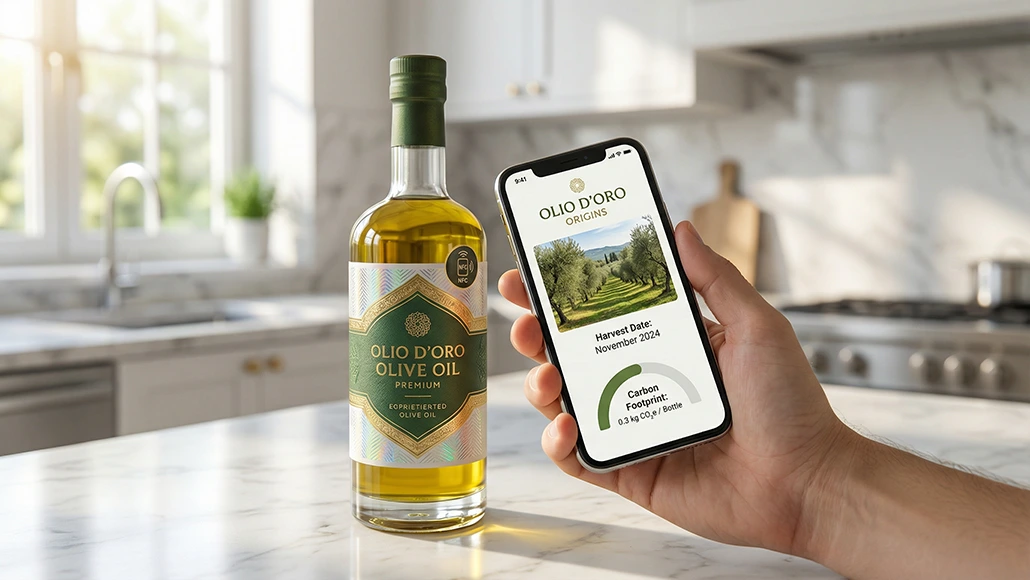
In an era of skepticism, transparency is a powerful currency. Smart labeling technologies allow brands to provide a “digital passport” for every product. A consumer looking at a bottle of olive oil can scan the label to see the exact grove where the olives were harvested and the date of pressing. This level of traceability is an essential part of modern product labeling solutions, particularly in the food and beverage sectors. By providing verifiable proof of a product’s origin and quality, brands can build a deep sense of trust with their audience, fostering long-term loyalty that goes beyond mere price or convenience.
Security, Anti-Counterfeiting and Brand Protection
For high-value goods such as pharmaceuticals, luxury spirits, and electronics, smart labeling technologies provide a robust defense against counterfeiting. RFID and NFC tags can be programmed with unique encrypted identifiers that are virtually impossible to replicate. This ensures that everyone in the supply chain from the manufacturer to the end-user can verify the authenticity of the item with a simple scan. These customizable labels are becoming a standard requirement for brands looking to protect their intellectual property and ensure consumer safety in a globalized market where fraud is a persistent threat.
Sustainability and Eco-Friendly Labeling Solutions
As environmental concerns take center stage, labeling technologies are being reimagined to minimize their ecological footprint. The challenge is significant: labels are often made of different materials than the containers they adhere to, which can complicate the recycling process. However, recent innovations are providing solutions to this dilemma. We are seeing the emergence of “wash-off” adhesives that allow labels to be easily removed during the recycling process, and “recyclable-compatible” labels made from the same polymers as the bottles they decorate.
Biodegradable and Bio-Based Materials
The demand for customizable labels is now being met with a wide range of sustainable materials, including papers made from agricultural waste, such as sugarcane or hemp, and films derived from wood pulp or corn starch. These labeling technologies ensure that the entire package can be composted or recycled without leaving harmful microplastics behind. Furthermore, the shift toward thinner label liners and the elimination of solvent-based inks are significantly reducing the carbon footprint of label production. This focus on sustainability is not just a trend; it is a fundamental shift in how product labeling solutions are developed.
The Role of Digital Printing in Waste Reduction
Digital printing labels inherently contribute to sustainability by reducing waste. Because there are no plates to dispose of and setup waste is virtually non-existent, companies can print exactly what they need when they need it. This eliminates the “obsolete inventory” problem, where thousands of pre-printed labels are discarded because of a minor change in ingredients or regulations. By streamlining the production process, these labeling technologies are helping brands move toward a leaner, more responsible model of operation that aligns with the growing consumer demand for environmental stewardship.
Regulatory Compliance and the Future of Information
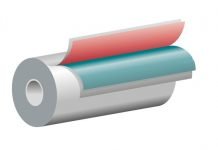
Global markets are subject to a complex and ever-changing web of labeling regulations. From nutritional data and allergen warnings to safety symbols and disposal instructions, the amount of information required on a label is constantly increasing. Modern labeling technologies are addressing this challenge through the use of “extended content labels” (ECLs) and digital links. ECLs utilize multi-layer constructions that can be peeled back to reveal several pages of information, allowing brands to maintain a clean aesthetic while fulfilling all legal requirements.
Dynamic Labeling and Real-Time Information
The next frontier for product labeling solutions is the ability to provide dynamic, real-time information. Imagine a label on a pharmaceutical product that updates its usage instructions based on the latest medical guidelines, or a food label that changes its “best before” date based on the actual temperature history of the package. While still in development, these smart labeling technologies represent the future of consumer safety. By bridging the gap between the physical label and real-time data, brands can ensure that the information they provide is always accurate and relevant, no matter how much time has passed since the product was packaged.
Conclusion: The Label as a Strategic Asset
As we look at the trajectory of labeling technologies, it is clear that the label has transitioned from a peripheral concern to a central strategic asset. The ability to combine high-end aesthetics, smart functionality, and environmental responsibility is what defines the most successful packaging design trends of today. Whether through the use of digital printing labels for hyper-personalization or the integration of RFID for supply chain security, these technologies are empowering brands to connect with their customers in ways that were previously unimaginable. In the future, the most successful products will be those whose labels are as innovative, transparent, and thoughtful as the contents they describe.