

















The global explosion of delivery and takeaway culture has brought a new set of challenges to the foodservice industry. While consumers demand speed, convenience, and food quality, there is a parallel and increasingly vocal demand for environmental accountability. For decades, expanded polystyrene (EPS) and single-use plastics were the default choices for “on-the-go” dining, but their legacy of pollution has rendered them socially and legally unacceptable in many parts of the world. Enter moulded fibre foodservice packaging a versatile, high-performance material that is transforming the way we think about fast food and casual dining. From coffee cups and burger boxes to complex meal trays, fibre-based containers are proving that it is possible to serve high-heat, high-moisture meals in a way that respects the planet.
The shift toward fibre is not merely an aesthetic choice but a practical response to the changing landscape of urban waste management. As cities struggle to process the mountains of plastic waste generated by delivery apps, the need for materials that can be composted or easily recycled has become critical. Moulded fibre, being derived from natural cellulose, offers a unique solution: it is a high-integrity material during use that becomes a valuable biological nutrient after use. This dual nature is the core reason why the foodservice sector is rapidly moving away from polymers toward more regenerative fibre-based options. This article explores the technical, economic, and environmental factors that are driving this transition.
Meeting the Rigorous Demands of Hot Food Management
One of the primary technical hurdles for any takeaway container is heat management. Foodservice operators need a material that can keep food hot during transit without causing it to become soggy from trapped steam. Moulded fibre foodservice packaging excels in this area due to its natural breathability. Unlike non-porous plastic or styrofoam, which trap condensation and turn fried foods limp, fibre allows a controlled amount of moisture to escape while maintaining thermal insulation. This ensures that the customer receives a product that is as close to its “fresh from the kitchen” state as possible, with the desired texture and temperature intact.
This structural advantage is particularly critical in the high-stakes world of third-party delivery services. In an environment where a 15-minute journey can make or break a meal’s quality, the choice of packaging material is a vital component of the customer experience. Fibre containers provide a stable micro-environment that balances heat retention with moisture release. Furthermore, the insulation properties of moulded fibre mean that the container remains comfortable to hold, even when filled with piping hot food or liquids. This improves consumer safety and comfort, reducing the risk of accidental burns a common issue with thin plastic or metal containers.
The Science of Leak Resistance and Structural Integrity
The most common concern with fibre-based containers in the past was their susceptibility to leaks, particularly when holding sauces, gravies, or high-fat foods. Modern advancements in moulded fibre trays and containers have addressed this through the integration of PFAS-free oil and water-resistant barriers. These treatments are applied either as a surface coating or directly into the pulp slurry during the manufacturing process. The result is a container that can hold liquid for extended periods without softening or seeping, maintaining its structural integrity from the kitchen to the dining table.
The transition to PFAS-free alternatives is a major milestone for the industry. These “forever chemicals” were once the standard for providing grease resistance in paper and fibre products, but their health and environmental risks have led to widespread bans. The new generation of barrier technologies uses natural waxes, plant-based resins, and other bio-derived polymers to achieve the same result. This ensures that the packaging remains safe for food contact and fully compostable. For a restaurant owner, this means they can serve their signature dishes with confidence, knowing that the packaging will perform perfectly without introducing harmful chemicals into the food or the environment.
The Logistical Efficiency of Stackable Design
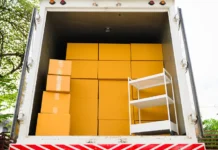
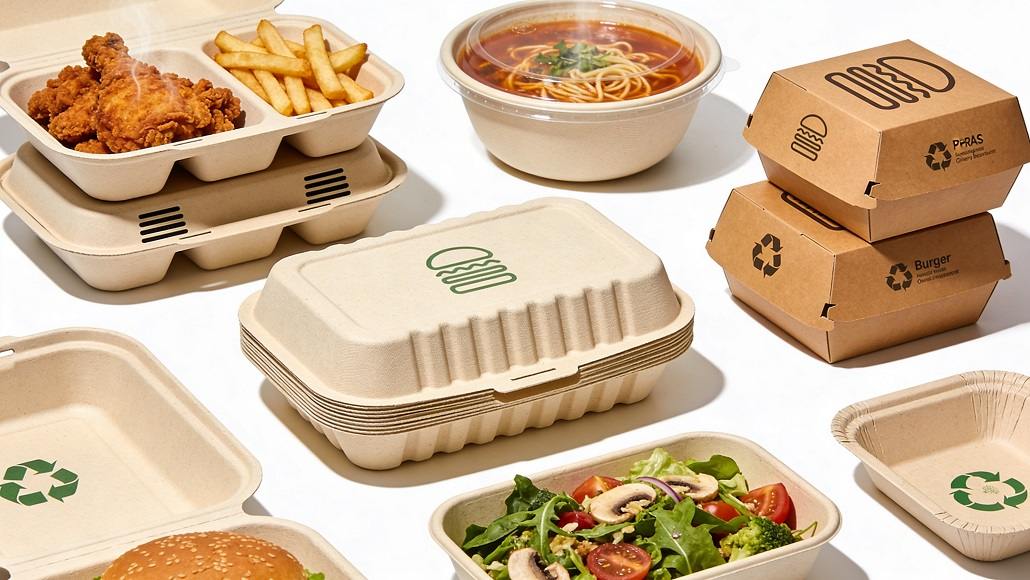
In a busy commercial kitchen or a high-volume takeaway outlet, space is a premium commodity. Every square inch of storage must be used efficiently to maintain workflow and profitability. Moulded fibre containers are typically designed with a high degree of “nestability.” Because they are formed in a precision mould, they can be stacked tightly together, taking up significantly less storage space than pre-formed plastic clamshells or rigid boxes. This logistical efficiency extends to the transport phase as well; more containers can be shipped in a single truck, reducing the overall carbon footprint of the supply chain and lowering freight costs.
For the operator, this means fewer deliveries are needed, and the time spent restocking the packing station is reduced. Furthermore, the lightweight nature of fibre makes it easier for staff to handle large quantities of packaging at once. This focus on “back-of-house” efficiency is a key reason why many large fast-food chains are making the switch to fibre. It is a material that works as hard as the kitchen staff, providing a seamless integration into the fast-paced world of modern foodservice. When every second counts during a lunch rush, a well-designed, easy-to-grab fibre container is a valuable asset.
Navigating the Complexities of Compostable Takeaway Packaging
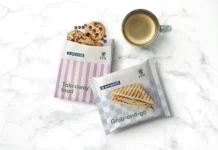
The true “killer feature” of moulded fibre in the foodservice space is its compostability. In many urban environments, the recycling of food-contaminated packaging is virtually impossible. A plastic container with pizza grease or salad dressing is often rejected by recycling facilities and sent to a landfill. However, compostable takeaway packaging made from fibre can be disposed of alongside the food waste itself. This simplifies the disposal process for the consumer and supports the growth of industrial composting infrastructure. By choosing fibre, foodservice brands are not just choosing a “greener” box; they are facilitating a waste management system that turns trash back into nutrient-rich soil.
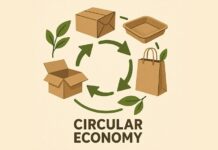
The integration of packaging into the organic waste stream is a powerful tool for circularity. Instead of being an “end-of-life” problem, the packaging becomes a carrier for the food scraps, ensuring that both reach the composting facility together. This reduces the amount of methane produced in landfills from rotting organic matter and creates a valuable product compost that can be used to grow the next generation of food. This “soil-to-soil” journey is the ultimate goal of sustainable food packaging, and moulded fibre is currently the only material that can achieve this at scale while meeting the functional requirements of the industry.
Hygiene, Safety, and the Absence of Toxins
Food safety is the non-negotiable foundation of the hospitality industry. Traditional plastic and styrofoam containers have long been criticized for the potential leaching of chemicals such as bisphenols (BPA) and styrene into hot food, especially when the food is oily or acidic. Moulded fibre foodservice packaging offers a much safer profile. Being derived from natural plant fibres and utilizing bio-based additives, these containers are inherently non-toxic and inert. They do not react with high temperatures or acidic foods, ensuring that the flavor profile of the meal remains untainted and that the health of the consumer is protected.
This “clean label” approach to packaging is a significant draw for the growing health-conscious demographic. Consumers are increasingly aware of the materials that touch their food, and the move toward natural, plant-based packaging is seen as a mark of a brand’s commitment to quality. Furthermore, moulded fibre is sterilized during the high-heat drying process of manufacturing, ensuring a high level of hygiene from the moment it leaves the factory. For foodservice operators, this provides peace of mind and reduces the risk of liability related to chemical contamination, a concern that is only going to grow as public awareness and regulation increase.
Aesthetics and the “Rustic Premium” Appeal
Beyond the functional and environmental benefits, there is an undeniable aesthetic shift happening in the culinary world. The “rustic,” organic look of moulded fibre fits perfectly with the modern trend toward artisanal and “farm-to-table” dining. A high-quality fibre bowl conveys a sense of craft and authenticity that a sterile plastic container simply cannot match. Brands are increasingly using this visual language to signal their premium positioning and their alignment with natural values. The tactile experience of holding a sturdy, textured fibre container adds to the overall perceived value of the meal.
This aesthetic appeal is particularly important for brands that want to justify a higher price point for their takeaway offerings. If a customer is paying $20 for a gourmet salad, receiving it in a flimsy plastic tub feels like a letdown. However, receiving it in a heavy-duty, beautifully shaped fibre bowl feels like a premium experience. This “sensory sustainability” helps build a deeper emotional connection between the brand and the consumer, turning a simple meal into a memorable event. In a world where food is often shared on social media, the visual appeal of the packaging is a critical part of a brand’s marketing strategy.
Scaling for the Future of Urban Dining
As cities continue to grow and the demand for convenient dining options increases, the scale of the packaging challenge will only intensify. The transition to moulded fibre foodservice packaging is a necessary step in future-proofing the industry against upcoming plastic bans and the rising cost of waste management. The key to successful adoption lies in the continued innovation of fibre moulding technology, making containers even more durable, heat-stable, and affordable. For the restaurant owner, the decision to switch is no longer just an ethical one; it is a strategic move to ensure long-term viability in a world that is rapidly moving past the era of single-use plastic.
Scaling also requires a collaborative effort between the packaging industry and waste management providers. As more fibre packaging enters the market, there is a greater incentive for cities to invest in composting facilities that can handle these materials. This “infrastructure push” is already happening in many parts of Europe and North America, and it is only a matter of time before it becomes the global norm. By being an early adopter of fibre, a foodservice brand can help drive this change, positioning themselves as a leader in the transition to a more sustainable and resilient urban food system. The future of takeaway is circular, and fibre is the material that is making it possible.