



















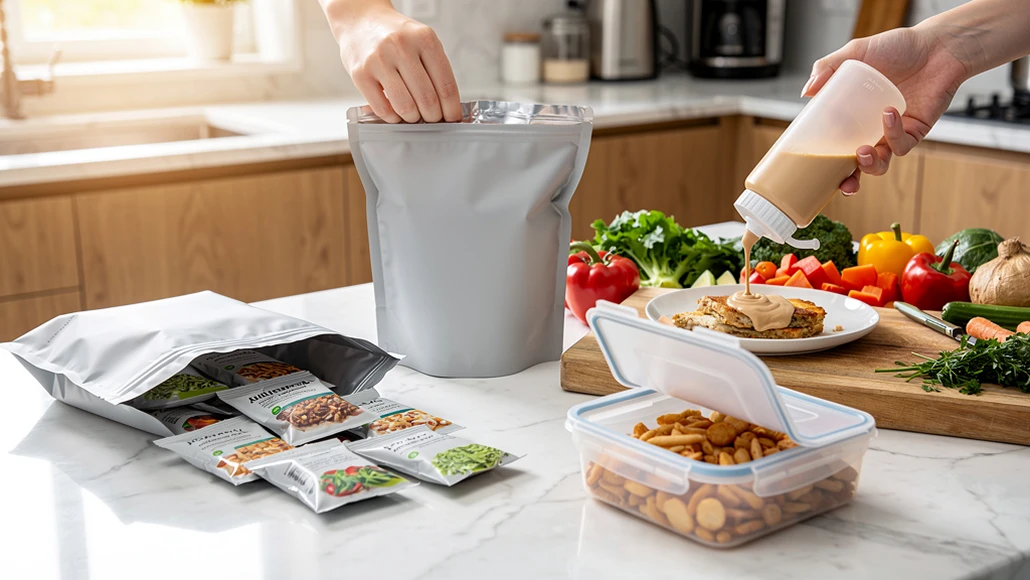

The relationship between the consumer and the product has undergone a dramatic shift in recent years, moving far beyond the simple act of a transaction. Today, the package is often the first physical touchpoint a customer has with a brand, and as such, it carries a heavy burden of expectation. It must protect the contents, communicate brand values, be environmentally responsible, and offer a level of convenience that fits into a fast-paced, digital-centric lifestyle. This complex set of requirements has spurred a wave of creativity across the industry, with current packaging innovation trends focusing on bridging the gap between functional utility and emotional connection. As consumer preferences continue to evolve, the companies that thrive will be those that view packaging not as a cost center, but as a critical component of the overall brand experience.
The Priority of Convenience in a Busy World
In the modern era, time is the most precious commodity. Consumers are increasingly looking for products that simplify their lives, and this is reflected in the design of their everyday packaging. Features that were once considered premium luxuries such as resealable zippers, easy-pour spouts, and single-serve portions are now becoming the baseline for entry into the market. We are seeing a major rise in packaging innovation trends that prioritize portability and ease of use. Whether it is a stand-up pouch that fits easily into a gym bag or a “peel and reseal” lid for snack foods, the goal is to make the product as accessible as possible without sacrificing freshness or safety.
Enhancing Functionality Through Design
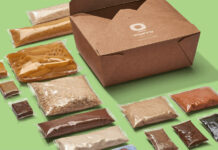
Functionality is not just about opening a box; it is about how that box serves the user throughout the product’s entire lifecycle. Innovation in structural design has led to packaging that can transform to meet different needs. For example, some food packaging is now designed to act as a serving bowl or a microwave-safe steamer, eliminating the need for additional dishes and cleanup. These convenience-driven packaging innovation trends are particularly popular among younger demographics who value efficiency and minimalist living. By integrating these clever features, brands can provide a tangible value-add that justifies a premium price point and fosters long-term customer loyalty.
The Role of Ergonomics in Consumer Satisfaction
As the global population ages, ergonomic design has become a critical focus for innovators. Packaging that is difficult to open or hard to grip can alienate significant portions of the market. Modern designers are using anthropometric data to create shapes and textures that are comfortable for all users, including those with limited dexterity. This inclusive approach to packaging innovation trends ensures that the product is accessible to everyone, regardless of age or physical ability. Soft-touch coatings, large-print labels, and intuitive opening mechanisms are all part of this movement toward a more empathetic and user-friendly packaging landscape.
The Sustainability Mandate and Circular Thinking
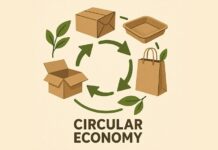
If convenience is the immediate desire, sustainability is the overarching moral imperative of our time. Today’s consumers are more informed and more vocal about the environmental impact of their purchases than any generation before them. They are actively seeking out brands that demonstrate a genuine commitment to reducing plastic waste and lowering their carbon footprint. This has led to a massive acceleration in packaging innovation trends centered on the circular economy. We are moving away from the “take-make-waste” model and toward a future where every piece of packaging is designed with its next life in mind.
Beyond Plastic: The Rise of Alternative Materials
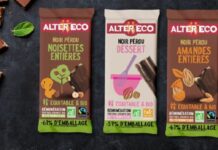
The search for viable alternatives to single-use plastics has opened the door to a wide range of innovative materials. From seaweed-based films and mushroom packaging to advanced paper-based structures that offer high-barrier protection, the material science landscape is more diverse than ever. These packaging innovation trends are not just about being “green”; they are about meeting the functional requirements of the product using renewable resources. We are seeing significant investment in the development of bio-polymers that can be processed on existing machinery, allowing manufacturers to transition to sustainable options without a total overhaul of their production facilities.
Refillable and Reusable Models
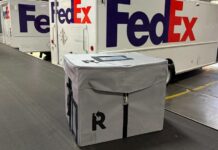
One of the most exciting shifts in recent years is the return to refillable and reusable packaging systems. By treating the container as a durable asset rather than a disposable item, brands can invest in high-quality materials like stainless steel or premium glass. Several global corporations are now experimenting with subscription-based models where empty containers are picked up, professionally cleaned, and refilled. These packaging innovation trends represent a fundamental rethink of the consumer relationship with the package. It moves the focus from “disposal” to “retention,” creating multiple touchpoints for the brand to engage with the customer throughout the product’s life.
The Digital Integration of Smart Packaging
As our world becomes increasingly connected, the physical package is becoming a portal to a vast digital ecosystem. The integration of smart features such as QR codes, Near Field Communication (NFC) tags, and Augmented Reality (AR) triggers is one of the fastest-growing packaging innovation trends. These technologies allow brands to extend the conversation with the consumer far beyond the limits of a printed label. A customer can scan a bottle of wine to see a video of the vineyard where the grapes were grown, or scan a box of medicine to receive an automated reminder on their phone about when to take their next dose.
Transparency and Authentication in the Digital Age
Beyond marketing and engagement, digital packaging offers vital functional benefits in terms of transparency and safety. In an era where counterfeit goods are a multi-billion dollar problem, smart sensors and unique digital identifiers allow consumers to verify the authenticity of their purchase instantly. Furthermore, these packaging innovation trends are being used to provide detailed information about the supply chain. By scanning a code, a consumer can see the exact date a product was manufactured, its batch number, and even its carbon footprint. This level of transparency is essential for building trust with the modern, socially-conscious consumer.
Active Packaging and Shelf-Life Extension
Innovation is also happening on a chemical level through “active” packaging. This involves integrating substances into the packaging material that can interact with the product to extend its life. For example, moisture-absorbing sachets or oxygen-scavenging films can significantly reduce food waste by keeping products fresher for longer. These packaging innovation trends are particularly important in the global effort to combat food insecurity and reduce the environmental impact of spoiled goods. As these technologies become more cost-effective, they will play a vital role in the global food supply chain, ensuring that high-quality nutrition reaches even the most remote locations.
Aesthetic Trends: The Power of Minimalism
In a world filled with visual noise, many consumers are finding themselves drawn to a more minimalist aesthetic. The trend toward “clean” design is not just about looks; it is about communicating honesty and transparency. By stripping away unnecessary graphics and focusing on high-quality materials and simple typography, brands can signal a premium and authentic nature. These packaging innovation trends often go hand-in-hand with sustainability, as a minimalist design often requires less ink and fewer decorative layers, making the package easier to recycle.
Storytelling Through Tactile Experiences
As more of our shopping happens online, the tactile experience of the package has become a key differentiator. The way a box feels when it is first touched the weight of the cardboard, the smoothness of a matte finish, or the satisfying “pop” of a seal all contribute to the perception of quality. Innovative brands are using texture and material choice to tell a story. A rough, textured paper might suggest an organic and artisanal product, while a sleek, metallic finish might communicate high-tech precision. These sensory-driven packaging innovation trends are essential for creating an emotional bond with the consumer in an increasingly digital world.
Conclusion: A Future Focused on the Individual
The future of the packaging industry lies in its ability to adapt to the diverse and ever-changing needs of the global consumer. The era of “one-size-fits-all” is over; we are entering an age of personalization, convenience, and deep environmental responsibility. The various packaging innovation trends we see today from smart sensors and alternative materials to ergonomic designs and refillable models all point toward a more thoughtful and human-centric approach to manufacturing.
For brands, the challenge is to balance these often-competing demands. A package must be sustainable, but it must also be affordable; it must be secure, but it must also be easy to open. Navigating these trade-offs requires a commitment to continuous innovation and a willingness to listen to the voice of the customer. As we move forward, the package will continue to evolve, becoming smarter, greener, and more integrated into our daily lives. It is no longer just a container for a product; it is a vital tool for living better, safer, and more sustainably in a complex world.