





















The global industrial landscape is currently witnessing a fundamental shift in how products are packaged and delivered, driven by a growing recognition of the environmental crisis caused by excessive waste. For decades, the focus of the packaging industry was on convenience and cost-effectiveness, often at the expense of long-term ecological health. However, as landfill capacities dwindle and the impact of plastic pollution on our oceans becomes impossible to ignore, a new era of responsibility has dawned. Modern packaging waste reduction strategies are no longer relegated to the fringes of corporate social responsibility reports; they are now at the very core of business operations, influencing everything from the initial design phase to the end-of-life management of the materials.
The Engineering of Less: Lightweighting and Material Optimization
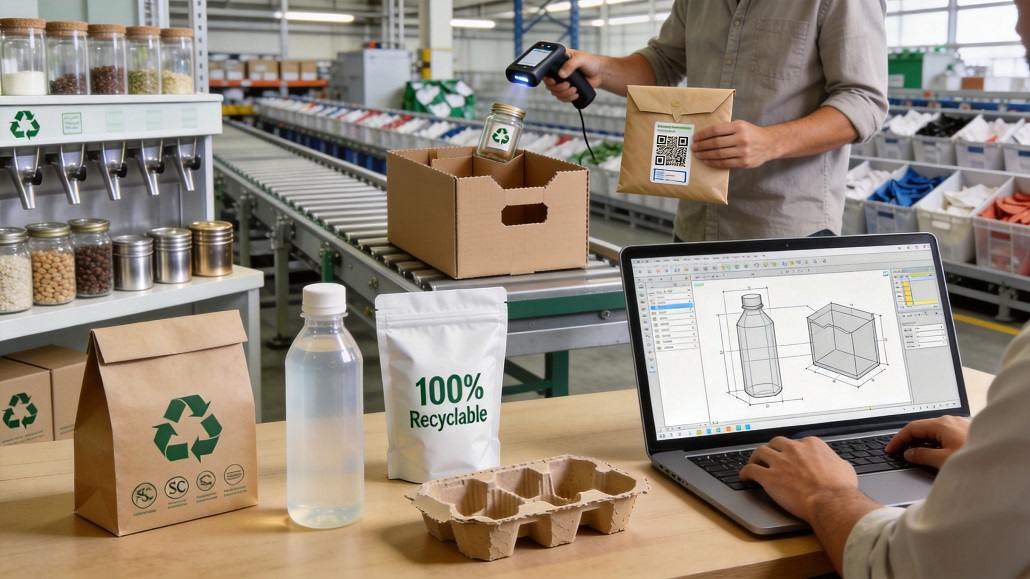
The most immediate and effective way to reduce waste is to simply use less material in the first place. This concept, known as “lightweighting,” has become a cornerstone of modern manufacturing. By using advanced computer-aided design (CAD) and finite element analysis, engineers can identify areas where a package can be thinned without compromising its structural integrity or protective qualities. This approach to packaging waste reduction has a ripple effect throughout the entire supply chain. Thinner walls on a plastic bottle or a lighter grade of corrugated cardboard mean that less raw material is consumed, less energy is used in production, and the overall carbon footprint of transportation is significantly lowered.
Precision Filling and Tailored Fit
Beyond thinning the materials, brands are focusing on optimizing the “fit” of the package to the product. We have all experienced the frustration of receiving a small item in an unnecessarily large box filled with plastic air pillows or foam peanuts. This “void space” is a major contributor to global waste. Advanced packaging waste reduction strategies now involve the use of “on-demand” packaging systems that create a custom-sized box for every order. By eliminating excess space, manufacturers can reduce their consumption of secondary packaging materials by as much as thirty percent. This not only reduces waste but also allows for more efficient palletization, further optimizing the logistics network.
The Move Toward Mono-Material Structures
One of the greatest challenges in recycling is the prevalence of multi-material laminates, where layers of plastic, foil, and paper are bonded together to create a high-barrier package. While effective at protecting the product, these structures are nearly impossible to separate and recycle. A key pillar of current packaging waste reduction efforts is the transition to mono-material designs. By developing high-performance films made from a single type of polymer, such as polyethylene, manufacturers can ensure that their packaging is fully compatible with existing recycling streams. This move toward simplicity is essential for creating a truly circular economy where materials are kept in use for as long as possible.
Redefining the Consumer Relationship: The Rise of Reusable Systems
While recycling is important, the hierarchy of waste management clearly places “reuse” above it. We are seeing a significant surge in packaging waste reduction strategies that involve moving away from single-use containers entirely. This “refill revolution” is taking many forms, from in-store dispensing stations for dry goods and detergents to professional “loop” systems where durable containers are collected, cleaned, and refilled by the manufacturer. These models require a shift in consumer behavior, but the environmental benefits are staggering. A single durable container can replace hundreds of single-use items over its lifespan, providing a massive reduction in the total volume of waste generated by a household.
The Role of E-commerce in Driving Reusable Innovation
The explosion of online shopping has provided a unique testing ground for reusable packaging. Unlike traditional retail, where the package must be discarded by the consumer, e-commerce allows for a closed-loop system where the delivery bag or box can be returned to the courier during the next delivery. Several startups and established logistics firms are now deploying reusable shipping envelopes made from heavy-duty, recycled plastics. These packaging waste reduction strategies capitalize on the existing delivery infrastructure to facilitate the return of materials, making the process as convenient as possible for the end-user. The success of these programs is proving that with the right logistics in place, “waste” can be eliminated from the delivery process altogether.
Encouraging Participation Through Digital Engagement
For reusable systems to work, high rates of consumer participation are essential. Brands are increasingly using digital tools to encourage and track the return of packaging. QR codes on the containers can allow consumers to track their personal “waste reduction score,” providing a sense of accomplishment and a tangible connection to their environmental impact. Incentives, such as discounts on future purchases or loyalty points, are also being used effectively to drive behavior change. These digitally-enabled packaging waste reduction strategies turn the act of returning a container from a chore into a rewarding part of the brand experience, fostering a deeper connection between the company and its customers.
Regulatory Pressure as a Catalyst for Change
While consumer demand and technological innovation are driving much of the progress, the role of government policy cannot be understated. Around the world, we are seeing the introduction of “plastic taxes,” bans on specific single-use items, and mandatory recycled content targets. These regulations are providing the necessary “push” for companies that might otherwise be slow to change. A robust packaging waste reduction strategy is now a legal necessity for companies looking to maintain their license to operate in key global markets. Policies such as Extended Producer Responsibility (EPR) are forcing manufacturers to take ownership of the entire lifecycle of their products, making waste reduction a financial imperative.
The Standardisation of Labelling and Disposal Instructions
A major barrier to effective waste management has been consumer confusion over what can and cannot be recycled. To address this, we are seeing a global movement toward standardized labeling systems that provide clear, easy-to-follow instructions on every package. These labeling-focused packaging waste reduction strategies ensure that materials are correctly sorted at the source, reducing the contamination of recycling streams and improving the overall efficiency of the waste management system. By removing the guesswork, brands can empower their customers to play an active role in the circular economy, ensuring that the effort put into designing recyclable packaging is not wasted at the point of disposal.
Corporate Accountability and Transparent Reporting
In the age of information, companies can no longer hide behind vague environmental claims. There is a growing demand for transparency and data-driven reporting on waste reduction progress. Leading firms are now setting “zero-waste-to-landfill” targets for their manufacturing facilities and providing detailed breakdowns of their packaging material mix. This level of accountability is a powerful driver of internal change, as it forces teams to find innovative ways to meet their public commitments. These transparent packaging waste reduction strategies are also becoming a key factor for investors, who increasingly view environmental performance as a proxy for overall management quality and long-term business resilience.
Conclusion: The Path to a Waste-Free Future
The momentum behind packaging waste reduction is now unstoppable. We have reached a point where the traditional “linear” model of consumption is no longer viable, either economically or environmentally. The strategies being deployed today from the molecular engineering of new materials to the nationwide rollout of refillable systems represent a wholesale transformation of our global industrial system.
Success in this new landscape requires a collaborative effort. It requires manufacturers to design for the future, governments to provide a clear and fair regulatory framework, and consumers to embrace new ways of shopping and disposing of materials. While the challenge is significant, the rewards are even greater. A world with less waste is a world that is cleaner, more efficient, and more sustainable for future generations. The journey toward a zero-waste future is well underway, and the innovations we are seeing today are just the beginning of a more responsible and regenerative way of doing business.