























The landscape of industrial manufacturing is undergoing a profound metamorphosis, driven largely by the convergence of mechanical precision and digital intelligence. At the heart of this evolution lies the concept of smart automation in packaging lines, a paradigm shift that is moving beyond simple repetitive motion toward intuitive, self-optimizing systems. For decades, packaging was often viewed as a necessary but static end-of-line process, characterized by rigid machinery that required significant downtime for any product changeover. Today, that narrative is being rewritten with an intensity that reflects the demands of a hyper-connected global economy. Modern facilities are increasingly adopting technologies that allow them to respond to market fluctuations with the agility of a startup while maintaining the scale and reliability of a global enterprise. This transition is not merely about replacing human hands with mechanical ones; it is about creating a symbiotic environment where data serves as the lifeblood of every movement, ensuring that every box, bottle, or pouch is handled with surgical accuracy and efficiency.
The Integration of Advanced Robotics and Artificial Intelligence
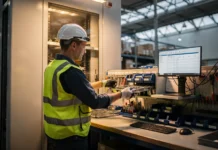
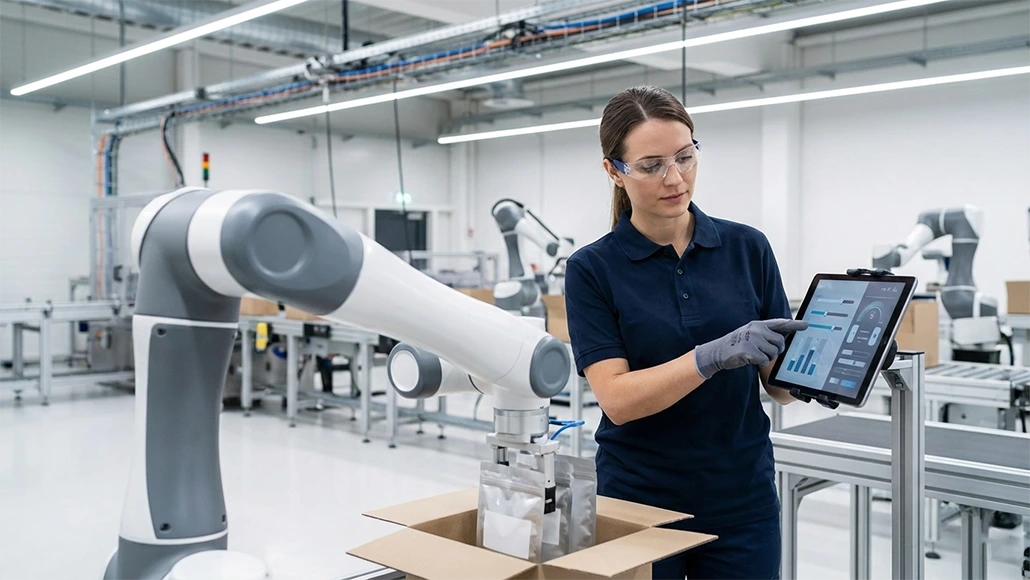
The primary engine behind this transformation is the sophisticated deployment of robotics, particularly collaborative robots known as cobots. Unlike their predecessors, which were confined to heavy safety cages and programmed for singular, unchanging tasks, modern cobots are designed to work alongside human operators in a shared workspace. These machines are equipped with advanced computer vision systems and high-fidelity tactile sensors that allow them to perceive their surroundings in real-time with a level of granularity previously reserved for lab environments. When smart automation in packaging lines is implemented effectively, these robots can identify orientation errors, detect foreign objects, and even make split-second decisions about pick-and-place trajectories based on the physical state of the item they are handling.
This level of autonomy is further enhanced by artificial intelligence, which processes vast amounts of sensory data to identify patterns that might be invisible to the human eye. Machine learning algorithms can analyze historical performance data to optimize the speed of conveyors or the pressure applied by pneumatic grippers, ensuring that delicate products remain undamaged while throughput is maximized. For instance, in the food sector, AI-driven sorting systems can distinguish between different grades of produce or identify subtle defects in packaging seals that would escape even the most diligent human inspector. This marriage of physical dexterity and digital intellect allows for a “zero-defect” manufacturing philosophy that is becoming the new standard for industrial packaging operations worldwide.
Enhancing Flexibility Through Modular Design and Linear Motion
One of the most significant challenges in traditional packaging was the inherent lack of flexibility. Changing a line to accommodate a different bottle shape, a new tray size, or a complex multipack configuration often involved hours, if not days, of mechanical adjustments and manual recalibration. Smart automation in packaging lines addresses this systemic bottleneck through modular design and software-defined control. Instead of hardware-locked systems, contemporary packaging machinery utilizes independent cart technology and linear motor-driven systems. These allow for individual containers to be moved, grouped, and spaced independently of the main conveyor speed, enabling a single physical line to handle multiple product variants or packaging formats simultaneously without the need for mechanical changeover parts.
This flexibility is essential in an era defined by mass customization and a rapid increase in stock-keeping units (SKUs). Consumers today expect a wide variety of packaging options, from eco-friendly minimalist pouches to high-end promotional gift sets with complex internal structures. By reducing changeover times to a few clicks on a centralized touchscreen interface, manufacturers can maintain high utilization rates and respond to seasonal demands or localized market trends without the burden of maintaining massive, aging inventories. The modular approach also future-proofs the investment; as new packaging materials or formats emerge, facilities can simply add or reprogram modules rather than commissioning entirely new production lines, thereby optimizing capital expenditure over the long term.
Data Analytics and the Power of Predictive Maintenance Protocols
Beyond the physical movement of goods, the true power of smart automation in packaging lines resides in the digital realm. Every sensor, motor, and valve on a modern line generates a continuous stream of data temperature readings, vibration frequencies, energy consumption metrics, and cycle counts. When this information is funneled into a centralized analytics platform, it transforms from raw noise into actionable intelligence. Predictive maintenance is perhaps the most valuable outcome of this data-rich environment. Rather than waiting for a component to fail, which can halt an entire production shift and cause significant downstream delays, algorithms can detect the subtle signs of wear that precede a breakdown.
For example, a slight increase in motor vibration or a deviation in the heat signature of a bearing can trigger an automated alert to the maintenance team. This allow technicians to address the issue during a scheduled break or a planned downtime window, rather than during a peak production run. This proactive approach not only extends the operational lifespan of expensive packaging machinery but also ensures a consistent flow of goods through the supply chain. In the context of global logistics, where a delay of a few hours can disrupt shipping schedules across multiple continents, the reliability provided by predictive analytics is a critical competitive advantage. Furthermore, these systems can provide “prescriptive” advice, suggesting the exact settings or lubrication levels needed to avoid future issues, essentially allowing the machinery to “self-care” under human supervision.
The Socio-Economic Impact on Industrial Efficiency and Sustainability
The push for smart automation in packaging lines is also deeply intertwined with the global movement toward sustainability and resource efficiency. High-speed, high-precision automation naturally leads to a significant reduction in material waste. Modern systems can precisely measure the amount of film needed for a shrink-wrap application or the exact volume of adhesive required for a carton seal, eliminating the “over-packaging” that often plagues manual or legacy systems. Furthermore, energy-efficient motors and regenerative braking systems in modern robotic arms help reduce the overall carbon footprint of the facility. As industrial automation continues to evolve, we are seeing the rise of “lights-out” manufacturing segments where energy-intensive lighting and climate control can be minimized because the machines do not require them to function optimally.
This synergy between efficiency and environmental responsibility is making packaging automation a cornerstone of corporate social responsibility (CSR) strategies. By reducing the energy required per unit of output and minimizing the scrap rate, companies are not just improving their margins; they are also meeting the stringent environmental targets set by regulators and expected by eco-conscious consumers. The ability to track the material usage of every single package also provides a level of transparency that is vital for ESG (Environmental, Social, and Governance) reporting, allowing companies to provide audited proof of their sustainability efforts to investors and stakeholders.
Addressing the Global Labor Shortage and Workforce Evolution
A common misconception regarding smart automation in packaging lines is that it serves as a direct threat to employment. In reality, the manufacturing industry is facing a severe and chronic labor shortage, with many younger workers opting for careers in technology or the service sector over traditional factory roles. Automation fills this critical gap by taking over the “three Ds”: tasks that are dull, dirty, or dangerous. By automating heavy lifting, high-speed sorting, and repetitive assembly, companies can transition their existing workforce into higher-value roles that involve system supervision, data analysis, and technical maintenance.
This evolution requires a significant investment in upskilling, but it ultimately leads to a more engaged and higher-paid workforce. The human element remains critical to the success of any automated system; while a robot can execute a task with 99.9% repeatability, it still lacks the human ability to troubleshoot complex, novel problems or to envision the next generation of packaging design. In the modern smart factory, the “operator” is effectively a system manager, using digital dashboards to oversee a fleet of machines and ensuring that the entire ecosystem is running at peak performance. This shift in the nature of work is helping to revitalize the manufacturing sector, making it an attractive career path for a new generation of technologically savvy professionals.
The Future Horizon: From Automated Lines to Connected Ecosystems
Looking ahead, the evolution of smart automation in packaging lines is moving toward a completely connected, autonomous ecosystem. We are entering the era of Industry 4.0, where the packaging line is no longer an isolated island of production but a central node in a global digital network. Digital twins virtual replicas of the physical packaging line allow engineers to simulate changes and test new configurations in a risk-free environment before implementing them on the factory floor. This connectivity extends to the product itself; as smart packaging with embedded RFID or NFC tags becomes more common, the packaging line will play a vital role in encoding data that tracks the product from the factory to the consumer’s doorstep.
This level of transparency is becoming a non-negotiable requirement in the food and pharmaceutical industries, where safety, authenticity, and provenance are paramount. Imagine a system where the packaging line communicates directly with the warehouse to adjust production based on real-time inventory levels, or where a machine can automatically reorder its own spare parts when it detects wear. This is the promise of truly smart automation a system that is not just fast and accurate, but also aware and integrated. As we continue to refine these technologies, the distinction between the physical machine and the digital brain will continue to blur, leading to a new age of manufacturing where intelligence is embedded in every weld, every sensor, and every package that leaves the line.
In conclusion, the integration of smart automation in packaging lines is not a luxury for the distant future; it is a current necessity for any manufacturer aiming to remain competitive in a volatile, fast-moving global market. By embracing robotics, AI, and comprehensive data analytics, companies can unlock new levels of efficiency, flexibility, and sustainability that were previously unimaginable. The transition may require significant capital investment and a shift in organizational mindset, but the rewards minimized downtime, reduced waste, and a more resilient supply chain are indisputable. As technology continues to advance, the packaging line will continue to evolve from a series of mechanical steps into a high-performance digital asset that drives the entire business forward.