
























The global food industry confronts persistent challenges regarding food safety, quality monitoring, and traceability that have proven resistant to conventional approaches. Each year, foodborne illness outbreaks injure millions of consumers and destroy brand reputation. Food waste—a consequence of inadequate quality monitoring, ineffective supply chain transparency, and expiration dating methodology based on statistical estimates rather than actual product conditions—accounts for approximately 8 to 10 percent of global greenhouse gas emissions while depleting natural resources and economic value.
Traditional packaging functions as a passive container: it protects products during transit and storage but provides no information regarding actual product quality status, storage conditions, or risk indicators. Smart packaging technologies represent a paradigm shift, transforming packaging from inert containers into active quality assurance systems that monitor, communicate, and inform stakeholders regarding product safety and quality throughout the supply chain.
Smart packaging technologies enhancing food safety and quality assurance encompass innovations ranging from simple time-temperature indicator labels communicating thermal exposure to sophisticated biosensor systems detecting pathogenic organisms at microscopic concentrations. These technologies shift packaging from a reactive role—discovering problems only after consumer complaints or foodborne illness reports trigger investigation—toward proactive quality assurance that identifies risks before they compromise consumer safety or product quality.
Fundamentals of Smart and Intelligent Packaging
Passive Monitoring Systems: Time-Temperature Indicators
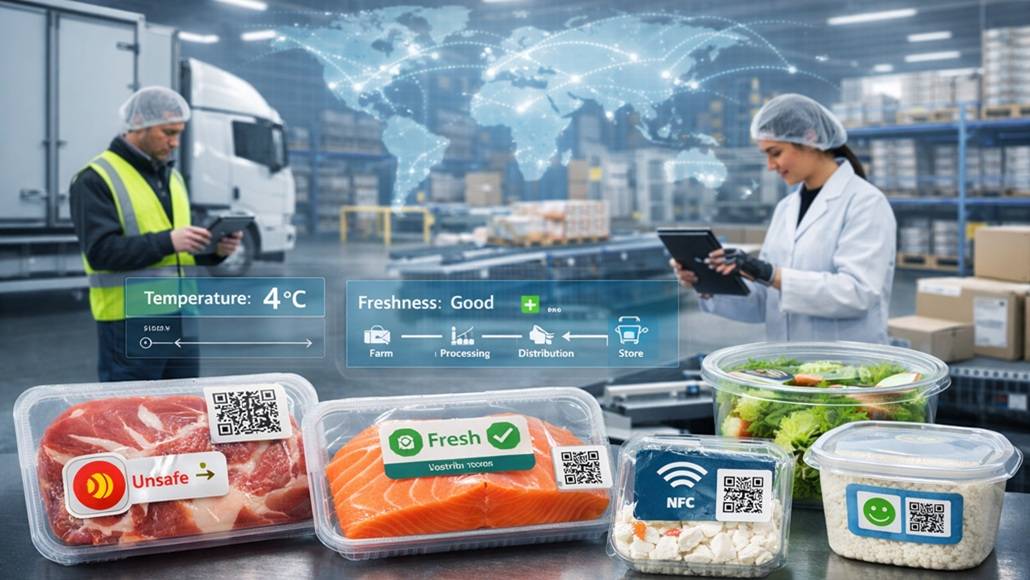
Time-temperature indicator (TTI) technology represents the most mature category of smart packaging innovations currently deployed at commercial scale. These indicators employ color-change chemistry that responds to cumulative thermal exposure, gradually shifting color in response to product storage temperature and duration. Consumer interpretation is straightforward: a color indicator communicating acceptable conditions appears normal, while progressive color shift communicates that products have experienced thermal stress potentially affecting quality or safety.
TTI technology provides particular value in supply chains where refrigeration continuity cannot be guaranteed and thermal excursions occur regularly. By providing visual indication of thermal history, TTIs enable retailers and consumers to make informed decisions regarding product acceptability without requiring laboratory analysis or extensive investigation. Retailers can identify products that have experienced unacceptable thermal stress and remove them from sale, reducing both consumer health risk and waste caused by selling products that are technically expired despite undamaged appearance.
The chemical systems underlying TTI technology vary significantly, employing different reaction kinetics optimized for specific temperature ranges and product shelf lives. Enzymatic systems using enzyme-substrate reactions proceed at predictable rates inversely correlated with temperature. Polymer-based systems employ diffusion reactions where color migration progresses at temperature-dependent rates. Lipid-based systems utilize melting-point chemistry where physical state transitions create measurable color change at specific temperatures.
Implementing TTI technology requires careful calibration ensuring that color change kinetics match actual product quality degradation rates. Improperly calibrated indicators create consumer confusion if they suggest product safety concerns when products actually remain acceptable, or conversely, if they fail to indicate problems when quality has actually degraded. This requirement for precise calibration demands comprehensive understanding of product stability characteristics and relationship between storage temperature and actual shelf-life loss.
Freshness Sensors and Spoilage Detection
Freshness sensors represent more sophisticated smart packaging innovations that directly measure chemical or biological indicators of product quality status rather than inferring quality from environmental exposure. These sensors detect actual spoilage-related changes occurring within packaged products, providing objective information regarding product fitness for consumption.
Freshness sensors employ multiple detection methodologies. Some systems measure volatile organic compound accumulation—gases produced by microorganisms or chemical degradation processes—indicating spoilage progression. Others detect pH changes, ammonia production, or other metabolic byproducts of spoilage organisms. Advanced systems employ colorimetric or fluorescent chemistry where enzymatic or chemical reactions produce visible color changes in response to specific analytes indicating spoilage.
The commercial deployment of freshness sensors remains limited compared to TTI technology, primarily due to cost considerations and regulatory uncertainty surrounding sensor components in direct food contact. However, progressive development and scaling promise increasing commercial availability. Companies developing these systems target particularly high-value applications where product loss justifies sensor costs and where prevention of foodborne illness creates compelling economic justification for enhanced monitoring technology.
Advanced Biosensor and IoT Integration
Real-Time Pathogen and Spoilage Detection
IoT-enabled biosensors represent the frontier of smart packaging technology, offering unprecedented capability to detect and communicate product quality information continuously throughout the supply chain. These sensors employ electrochemical, optical, or mechanical detection methodologies identifying pathogens, spoilage organisms, or quality-related chemical changes at concentrations as low as individual microorganisms.
The integration of biosensors into flexible electronics and printable substrates enables embedding these detection systems directly into packaging materials. Flexible printed electronics fabricated from organic transistors and conductive inks create biosensor arrays that maintain functionality through the mechanical stress of packaging manufacturing and distribution. Organic transistors offer particular advantage for food packaging applications because they can be manufactured from biocompatible materials and integrated directly into conventional packaging processes without requiring rigid electronic components.
Biosensors detect spoilage through multiple mechanisms. Electrochemical sensors measure electron transfer from bacterial metabolites or enzymatic reactions, generating electrical signals proportional to organism concentration. Optical sensors employ fluorescence or absorbance changes indicating enzymatic activity or specific biological markers. Mechanical sensors measure mass changes as bacteria colonize sensor surfaces or detect changes in mechanical resonance caused by biological attachment. The selection of detection methodology depends on target organisms, required sensitivity, and compatibility with specific food applications.
IoT connectivity enables real-time transmission of sensor data to supply chain stakeholders. Wireless protocols including NFC (near-field communication), Bluetooth, and cellular connectivity allow sensors embedded in packaging to communicate status information to smartphones, warehouse systems, or cloud-based analytics platforms. This connectivity transforms packaging from isolated product containers into connected components of digital supply chain networks.
Data-Enabled Labels and Digital Transparency
Data-enabled labels represent integration of smart packaging with blockchain and digital identity technologies, creating persistent records of product journey throughout the supply chain. QR codes, NFC tags, or other digital identifiers embedded in packaging link physical products to digital records documenting origin, processing, transportation conditions, and storage history.
Consumers scanning these digital identifiers access detailed product information including ingredient sourcing, processing methods, supplier information, and certifications validating product claims. For brands emphasizing transparency as a differentiator, these digital systems provide mechanism for communicating detailed information without cluttering physical package labels. For regulators and supply chain partners, these systems create auditable records supporting food safety investigation and supply chain transparency.
Blockchain integration creates immutable records that multiple supply chain participants can access and contribute to without creating centralized control concerns. Each transaction or environmental measurement creates a blockchain entry, establishing verifiable record of product handling that cannot be retroactively modified. This immutability provides particular value in traceability investigations following foodborne illness outbreaks, enabling rapid identification of contamination sources and affected product batches.
Applications and Implementation Across Food Categories
Perishable Goods Tracking in Cold Chains
Smart packaging technologies demonstrate particular value in cold chain applications where temperature control is essential for safety and quality but supply chain continuity frequently fails. Seafood, dairy, meat products, and fresh produce depend on consistent refrigeration that economic pressures and logistical constraints frequently compromise.
IoT sensors integrated into shipping containers and individual packaging units monitor temperature, humidity, and duration continuously throughout cold chain distribution. When conditions deviate from target parameters, sensors trigger alerts enabling corrective action—redirecting shipments to temperature-controlled storage, accelerating delivery, or quarantining potentially compromised products. Real-time visibility into environmental conditions transforms reactive cold chain management into proactive monitoring and control.
The economic implications of smart cold chain monitoring are substantial. Preventing spoilage loss due to temperature excursions often justifies sensor cost through avoided product waste. Early identification of supply chain problems enables remediation before products reach consumers, preventing foodborne illness risk and brand reputation damage. Insurance and regulatory compliance implications create additional economic justification for comprehensive monitoring systems.
Supply Chain Traceability and Recall Management
Smart packaging technologies fundamentally enhance the capability to trace products through complex global supply chains. When contamination events occur, rapid identification of affected products and batches prevents unnecessary recalls and minimizes consumer exposure to hazardous materials. Traditional traceability systems relying on batch codes and manual record-keeping often require weeks to trace implicated products and identify affected consumers.
Digital traceability systems using QR codes, RFID (radio-frequency identification), or blockchain enable automated tracking and rapid identification of affected products. If contamination is detected in finished products, supply chain partners can immediately identify upstream sources of contamination and implement targeted corrective action. If upstream contamination is identified, downstream distribution can be rapidly halted, preventing consumer exposure.
The implementation of comprehensive smart packaging traceability systems requires standardization across supply chain partners, as isolated implementations provide limited benefit. Industry consortia and standards bodies have increasingly promoted universal product identification and traceability standards, enabling seamless integration across multiple brands and suppliers. However, implementation progress remains uneven, with leading-edge retailers and brands implementing comprehensive systems while smaller suppliers remain less advanced in digital traceability adoption.
Active Packaging Integration with Smart Systems
Oxygen Scavengers and Active Quality Control
Active packaging technologies incorporating oxygen scavengers and moisture absorbers increasingly integrate with smart monitoring systems, creating comprehensive quality assurance ecosystems. While active components like iron-based oxygen scavengers or desiccant systems work passively to minimize quality degradation, integration with sensing systems enables active adjustment of protective characteristics in response to monitored conditions.
Smart systems employing phase-change materials can actively modulate temperature to maintain precise temperature ranges for sensitive products. Microencapsulated antimicrobials can be engineered to release protective compounds in response to detected spoilage organism colonization. These advanced active systems transform packaging from passive provision of standardized protection into dynamic response systems adapting to actual product and environmental conditions.
Integration Architecture for Comprehensive Monitoring
Sophisticated smart packaging systems employ multiple integrated technologies working synergistically. Time-temperature indicators provide continuous visual confirmation of thermal status, offering backward-compatible functionality for consumers and retailers without digital infrastructure. Biosensors provide objective measurement of actual spoilage progression. Digital identifiers enable supply chain partners to access detailed product history and current quality status. Together, these integrated systems create comprehensive quality assurance visibility that no single technology could provide independently.
Consumer Benefits and Behavioral Shifts
Replacing Static Expiration Dates with Dynamic Quality Information
Traditional expiration date systems impose significant limitations on food supply chain efficiency. Regulatory requirements for fixed “best-by” or “sell-by” dates create arbitrary product disposal deadlines that often coincide with arbitrary calendar dates rather than actual product quality status. Products reaching expiration dates may be perfectly acceptable, while products consumed days after expiration dates may be compromised if stored improperly.
Smart packaging enables transition from static expiration dates toward dynamic quality information reflecting actual storage conditions and product status. Instead of discarding products approaching arbitrary expiration dates, supply chain partners can assess actual product quality and make evidence-based retention or disposal decisions. Consumers can similarly make informed decisions regarding consumption timing based on actual quality information rather than relying on statistical assumptions embodied in expiration dates.
This transition requires significant changes in consumer behavior and regulatory frameworks. Consumers accustomed to expiration dates as simple decision rules may initially resist more complex quality information. Regulators must develop frameworks governing how dynamic quality information can replace or supplement traditional expiration dates. However, the potential for substantial food waste reduction creates compelling incentives for implementing these transitions at scale.
Enhanced Consumer Confidence and Brand Trust
Smart packaging provides consumers objective, verifiable information regarding product safety and quality, shifting consumer reliance from brand reputation toward transparent quality data. Consumers accessing actual supply chain records and real-time quality information experience greater confidence in product safety than consumers relying on brand claims. This transparency builds deeper consumer trust than marketing communication alone can achieve.
Brands implementing comprehensive smart packaging systems communicate commitment to transparency and food safety. For premium and specialty brands positioned on quality and safety attributes, smart packaging provides mechanism to objectively substantiate these claims. For brands recovering from food safety incidents, smart packaging implementation demonstrates commitment to preventing future problems.
Regulatory and Implementation Challenges
Sensor Validation and Regulatory Approval
Smart packaging sensors represent novel food contact materials and technologies that regulatory bodies worldwide are still developing frameworks to evaluate. The U.S. Food and Drug Administration, European Food Safety Authority, and other regulatory agencies must determine what validation data is required to confirm that sensor components do not migrate harmful substances into food and that sensor accuracy meets food safety requirements.
The regulatory approval process for novel sensor systems can extend product development timelines substantially. Manufacturers must generate comprehensive validation data addressing sensor accuracy, stability, potential migration, material compatibility, and long-term functionality. This regulatory burden creates particular challenges for smaller suppliers and startups lacking resources for extensive validation programs.
Data Privacy and Security Concerns
The integration of IoT connectivity and digital identifiers into food packaging creates data security and privacy implications requiring careful management. Supply chain data regarding product location, condition, and handling history could have competitive value or create security risks if disclosed to unauthorized parties. Consumer data regarding purchase patterns and product consumption similarly requires protection against privacy breaches.
Implementing comprehensive data security requires encryption, authentication, and access control mechanisms that add complexity and cost to smart packaging systems. Standards and best practices for food supply chain data security are still evolving, creating uncertainty regarding what security measures constitute adequate protection. Organizations must balance security investment with cost considerations and system usability requirements.
Cost Economics and Market Adoption
Sensor Cost and Economic Justification
Smart packaging technologies add cost to conventional packaging systems that manufacturers must justify through improved product protection, waste reduction, or enhanced marketing value. TTI labels add modest cost, typically under $0.01 per unit at scale, making them economically viable for high-margin products and supply chains with significant thermal risk. Advanced biosensors and IoT systems currently cost substantially more, limiting economic justification to high-value products or applications where spoilage prevention justifies sensor investment.
Progressive cost reduction through manufacturing scaling and technological maturation will expand the range of applications where smart packaging becomes economically justified. Semiconductor manufacturing advances enabling more efficient biosensor and IoT component production are expected to reduce per-unit costs substantially over the next five to ten years. As costs decline, applications in mid-range products become increasingly economically viable.
Infrastructure Requirements and Ecosystem Development
Realizing the full potential of smart packaging requires complementary infrastructure development. Consumer smartphones must have NFC capability and consumers must develop behavior patterns of scanning QR codes and accessing product information. Supply chain partners must invest in sensor reading equipment and integrate data into inventory and quality management systems. Cloud-based analytics platforms must develop capability to process and analyze supply chain data at meaningful scale.
This infrastructure development represents collective investment across multiple parties with shared benefit but distributed cost. Coordination mechanisms and incentive alignment remain challenging, slowing adoption of comprehensive smart packaging systems despite the economic benefits that full implementation would generate.
Future Development and Advanced Technologies
Nano-Enabled Sensors and Artificial Intelligence
Emerging biosensor technologies employing nanoparticles and nanotechnology enable unprecedented sensitivity and specificity in pathogen detection. Quantum dots and plasmonic nanoparticles provide enhanced optical properties enabling detection at extremely low organism concentrations. Carbon nanotubes enable highly selective electrochemical sensors responding only to target analytes while ignoring interfering substances.
Machine learning and artificial intelligence increasingly enhance smart packaging data analysis. Sensor data streams containing multiple environmental and quality parameters generate complex information requiring sophisticated interpretation. Machine learning models trained on historical data and quality outcomes can identify subtle patterns indicating spoilage progression before direct spoilage indicators become obvious. Predictive models can estimate remaining shelf life with greater accuracy than static models can achieve.
Blockchain-Integrated Food Safety Systems
Future smart packaging systems will increasingly integrate blockchain technology to create immutable, verifiable supply chain records that multiple stakeholders can access without centralized control. If contamination is detected, blockchain records enable rapid identification of affected products and supply chain segments requiring investigation. Blockchain’s distributed ledger approach enables transparency that benefits public health and consumer confidence without concentrating sensitive supply chain data in single vulnerable systems.
Convergence with Digital Product Passports
Regulatory initiatives including the European Union’s Digital Product Passport framework aim to mandate comprehensive product information accessible through digital systems. Food packaging incorporating Digital Product Passports will document ingredient origins, processing methods, supply chain journey, and quality history. Smart sensors integrated into Digital Product Passport frameworks will provide real-time quality information complementing static historical information, creating comprehensive digital representations of product characteristics and status.
Implementation Pathways for Industry Adoption
Phased Implementation and Technology Integration
Food industry organizations adopting smart packaging technologies should employ phased approaches beginning with proven mature technologies and progressively advancing toward more sophisticated systems. Initial implementation might employ TTI labels for products with thermal sensitivity, establishing internal familiarity with smart packaging concepts and consumer communication regarding quality monitoring.
Subsequent phases could introduce digital traceability systems using QR codes and blockchain, enabling supply chain transparency without requiring expensive sensor infrastructure. Advanced phases incorporating biosensor systems and real-time quality monitoring should follow once regulatory pathways clarify and sensor costs decline through manufacturing scaling.