


























The global packaging industry is at a crossroads, facing a transformative period defined by a collective urgency to address environmental degradation and resource depletion. For decades, the convenience and low cost of durable, petroleum-based plastics overshadowed the long-term ecological consequences of a “take-make-dispose” linear economic model. However, the tide is turning with remarkable speed. Today, the adoption of sustainable packaging materials is no longer a niche preference or a marketing gimmick; it is a central pillar of corporate strategy and a fundamental driver of global industrial evolution. This shift is driven by a complex and powerful interplay of regulatory pressures, technological breakthroughs in material science, and a profound, permanent change in consumer psychology across all demographics.
The Evolution of Material Science and the Principles of Circular Design
The primary catalyst for this industry-wide change is the rapid and continuous advancement in material science. Engineers and researchers are moving far beyond traditional recyclables like glass and aluminum to develop high-performance sustainable packaging materials that rival the versatility, durability, and barrier properties of synthetic polymers. We are currently witnessing the rise of mono-material structures packaging made from a single type of polymer or fiber which significantly simplifies the sorting and recycling process. Unlike complex multi-layer laminates that are notoriously difficult to separate and process, mono-materials can be easily reintegrated into the production cycle, supporting a true closed-loop system.
Furthermore, the development of bio-based polymers, such as Polylactic Acid (PLA) and Polyhydroxyalkanoates (PHA), offers a renewable alternative to petroleum-based plastics. These materials are often derived from corn starch, sugarcane, or even captured methane, providing the necessary strength and barrier properties for food, cosmetics, and medical packaging while remaining industrially compostable. The challenge has always been to match the performance of fossil-fuel plastics at a comparable price point, and we are finally seeing the economies of scale and manufacturing efficiencies needed to make this a reality. As these materials become more ubiquitous, the reliance on virgin plastic will naturally diminish, leading to a significant reduction in the carbon footprint of the entire packaging sector.
The Resurgence of Paper and Advanced Fiber-Based Innovations
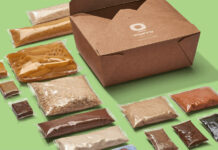
While plastics continue to dominate many segments due to their transparency and moisture resistance, paper and fiber-based solutions are making a significant and technologically advanced comeback. Historically, paper was limited by its susceptibility to moisture and grease, making it unsuitable for many liquid or perishable products without the addition of non-recyclable plastic liners. However, the introduction of aqueous coatings, plant-based barriers, and nanocellulose technology has transformed paper into one of the most versatile sustainable packaging materials available today.
Molded pulp packaging, once reserved for simple items like egg cartons, is now being engineered for high-end electronics, fragile luxury goods, and even wine bottles, offering a biodegradable and shock-absorbent alternative to expanded polystyrene (EPS). These fiber-based solutions are particularly attractive because they leverage well-established recycling streams that consumers already understand and trust. The ability to source these fibers from certified sustainable forests or agricultural residues such as wheat straw or bagasse further enhances their environmental credentials. By replacing “plastic-heavy” designs with fiber-based alternatives, brands can communicate their commitment to the planet in a tactile way that resonates deeply with the modern consumer.
Regulatory Pressures and the Global Push for Corporate Transparency
Governments around the world are playing a decisive and increasingly aggressive role in accelerating the transition to eco-friendly packaging. From the European Union’s Packaging and Packaging Waste Regulation (PPWR) to various plastic tax initiatives in Asia and ambitious state-level bans in North America, the legislative landscape is becoming increasingly hostile toward non-recyclable or single-use materials. These regulations often mandate specific levels of post-consumer recycled (PCR) content and require manufacturers to take financial and operational responsibility for the entire lifecycle of their products through Extended Producer Responsibility (EPR) schemes.
This regulatory environment is forcing a level of transparency that was previously non-existent in the industry. Companies are now required to conduct comprehensive life-cycle assessments (LCAs) to prove the environmental claims of their packaging, ensuring that “green” marketing is backed by rigorous, peer-reviewed scientific data. The risk of “greenwashing” is now accompanied by the risk of significant legal fines and brand damage. Consequently, the search for truly sustainable packaging materials has become a race for compliance and risk mitigation. This top-down pressure is ensuring that sustainability is integrated into the earliest stages of product design, rather than being an afterthought or a “nice-to-have” feature.
Consumer Behavior and the Economic Power of the Conscious Brand
Perhaps the most potent force driving the adoption of sustainable packaging materials is the consumer. A growing demographic of “eco-conscious” buyers is actively seeking out products that align with their personal values regarding environmental stewardship. This shift is particularly evident among Millennials and Gen Z, who view sustainability not as an optional feature but as a fundamental requirement for brand loyalty. Retailers and consumer packaged goods (CPG) companies have recognized that packaging is the first physical touchpoint a customer has with a brand. In the era of social media, the “unboxing experience” has become a powerful marketing tool, where the sustainability of the material adds perceived value and moral weight to the product itself.
By using unbleached paper, minimalist designs, and clearly labeled compostable or recyclable materials, brands can communicate their commitment to the planet without saying a word. This creates a powerful competitive advantage; in a crowded retail environment, a product that demonstrates environmental responsibility can often command a premium price or secure a larger market share. Conversely, brands that cling to outdated, plastic-heavy packaging are increasingly being “called out” by consumers and activists, leading to a loss of trust that can take years to rebuild. The economic argument for sustainability is now as strong as the moral one, as companies realize that “green” business is quite simply good business.
Overcoming Economic Hurdles and Functional Requirements
Despite the clear and overwhelming benefits, the transition to sustainable packaging materials is not without its significant hurdles. One of the primary obstacles remains the higher initial cost of production associated with novel, bio-based materials. These specialized coatings and polymers often carry a premium compared to traditional virgin plastics, which can be a difficult challenge for high-volume, low-margin businesses like fast-moving consumer goods (FMCG). Additionally, the functional requirements of packaging such as oxygen barriers, shelf-life extension, and structural integrity during shipping must be met without any compromise.
A sustainable package that fails to protect the product inside results in product damage or food waste, which has its own significant and often larger environmental impact. However, as production scales up globally and manufacturing processes become more efficient, the price gap is narrowing rapidly. Furthermore, the long-term risks of sticking with non-sustainable options such as brand erosion, regulatory fines, and supply chain instability are becoming much greater than the initial investment in green materials. Leading companies are now viewing these costs not as an expense, but as a vital investment in their future viability and resilience.
The Future Outlook: Moving from Sustainable to Regenerative Systems
As we look toward the future, the conversation in the industry is shifting from merely being “sustainable” to being “regenerative.” The next generation of sustainable packaging materials may actually contribute positively to the environment rather than just minimizing harm. Scientists are exploring the use of mycelium (the root structure of mushrooms) and various types of seaweed to create packaging that can be grown in a matter of days using minimal water and land, and which naturally enriches the soil when discarded. These materials are not just “biodegradable”; they are “bio-contributive,” offering a vision of a future where human industry and nature exist in a symbiotic relationship.
Furthermore, the integration of digital technology is improving the efficiency of the circular economy. Digital watermarking and smart labels are improving the sorting accuracy at recycling facilities, ensuring that high-quality materials are not lost in the waste stream or downcycled into lower-value products. The ultimate goal is a truly circular economy where the very concept of “waste” is abolished, and every piece of packaging is designed with its next life already in mind. This vision requires a fundamental rethink of global supply chains and consumer habits, but the progress made in the last decade suggests that it is an achievable goal.
In summary, the movement toward sustainable packaging materials is a multi-faceted, irreversible revolution that is reshaping the very foundations of the global economy. It requires a high level of collaborative effort between material scientists, product designers, policy makers, and consumers. While the path forward is complex and requires significant innovation and investment, the destination a world where our packaging systems exist in harmony with the natural environment is well worth the effort. By prioritizing circularity, investing in renewable resources, and embracing transparency, the packaging industry is not just changing its materials; it is redefining its role as a steward of a sustainable and prosperous future.