














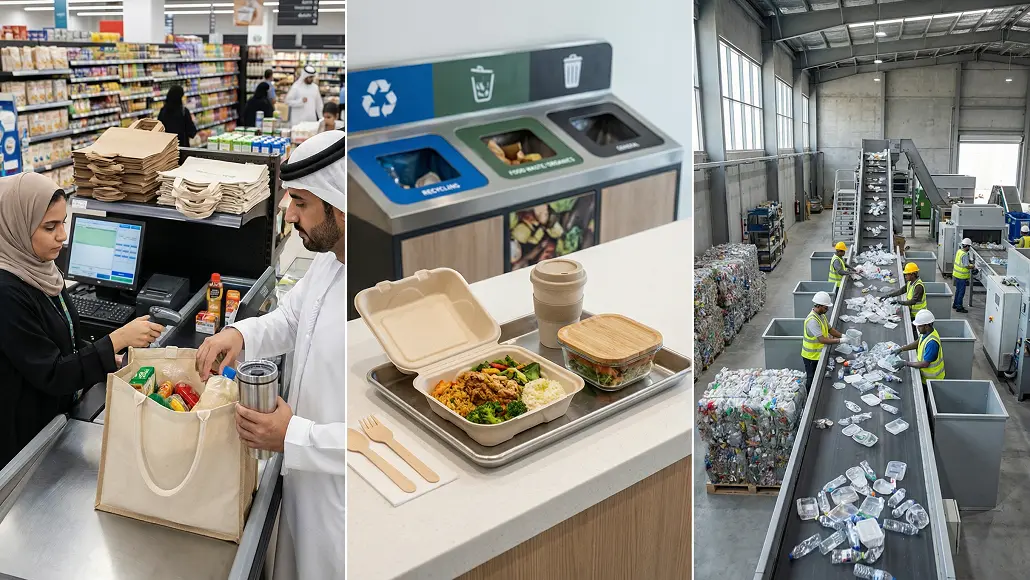

In a recent move, the United Arab Emirates has banned single-use plastic beverage cups, cutlery, lids, food containers, and straws, as well as bags. The news of UAE bans single-use plastic bags, beverage cups, cutlery, lids, food containers, and straws came into effect on 1 January 2026.
The step is the second phase of a ban that was put in place by the Ministerial Decision No. 380 of 2022 from the Ministry of Climate Change and Environment – MOCCAE in the UAE. It goes on to prohibit the import and production along with the distribution of a range of single-use plastic products. The first phase, which has been put into effect from 1 January 2024, went on to ban all single-use plastic shopping bags.
The idea of UAE bans single-use plastic bags goes on to apply to all materials, inclusive of paper, with a thickness that is smaller than 50 microns.
There are also exceptional products that are made in the UAE from recycled plastics as well as products that are made from biopolymers. Garbage bags, thin bags for packaging fresh food,
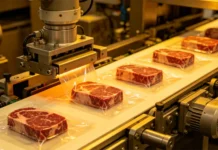
Medicine bags, large shopping bags, and also styrofoam packaging for fresh meat are also exempted.
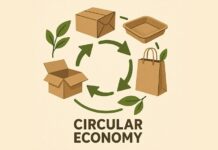
It is worth noting that the regulation has the ultimate objective of protecting the environment, encouraging people to go ahead and adopt an eco-friendly lifestyle, and at the same time promoting the culture of making use of reusable products in order to advance sustainable development as per a 31 December 2023 statement coming from the Emirate News Agency – WAM. The ban is also anticipated to encourage the private sector in order to promote the usage of recycled products, syncing with circular economy practices, which makes way for sustainable recycling of products across the local markets.
Notably, the local manufacturer of polylactic acid – PLA, Emirates Biotech, went on to welcome the recognition of biopolymers such as PLA by the ministry as a viable choice for banned items.
Emirates Biotech CCO François de Bie says that it is best to stop making use of single-use products as much as possible and go ahead and consider reusable options. However, in cases where reusable alternatives are not available, it is imperative to recognize that PLA, which is a plant-based material, falls outside the gamut of the prohibited materials. PLA, such as paper, wood, and recycled plastics, is exempted.
As per the public affairs manager of Emirates Biotech, Valentina Olabi, PLA is indeed going to play a major role when it comes to advancing the landfill diversion along with circular economy targets. The decision goes on to demonstrate a constructive partnership between government and industry along with environmental stakeholders, and they do welcome this recognition of PLA as being a practical enabler of the sustainability agenda by the UAE.