





















Food supply chains operate within increasingly complex and volatile operating environments characterized by cascading disruptions, geopolitical uncertainty, climate volatility, and rapid demand fluctuation. The COVID-19 pandemic exposed critical vulnerabilities in global food supply chains, demonstrating that systems optimized for efficiency under stable conditions prove fragile when disruptions occur. Food manufacturers and logistics providers confronted simultaneous demand surges, transportation constraints, manufacturing shutdowns, and ingredient shortages that overwhelmed systems designed assuming stable conditions and predictable demand patterns.
Packaging decisions profoundly influence supply chain resilience, yet this strategic dimension of packaging rarely receives attention equivalent to cost considerations or regulatory compliance requirements. The physical characteristics of packaging—weight, stackability, durability, standardization—directly influence transportation efficiency, storage requirements, and operational flexibility. Packaging design choices made during product development constrain logistics optionality throughout the product lifecycle, either enabling flexible response to disruption or exacerbating supply chain strain when unexpected challenges emerge.
This article positions packaging as a critical but often underestimated lever in supply chain resilience, examining how packaging choices affect transportation efficiency, storage stability, risk mitigation, and operational continuity. Manufacturers seeking to strengthen supply chain resilience must recognize packaging not merely as product container but as strategic infrastructure component influencing their capacity to respond effectively to disruptions, accommodate demand fluctuations, and maintain product availability despite adversity.
Understanding Supply Chain Resilience in Food Systems
Vulnerability Characteristics and Disruption Mechanisms
Food supply chains face multifaceted vulnerability categories reflecting diverse disruption sources. Demand-side disruptions—pandemic-driven lockdowns, economic disruption, dietary preference shifts—create demand volatility that stable supply systems cannot accommodate. Supply-side disruptions—production shutdowns, ingredient shortages, transportation constraints—reduce available supply capacity. Logistical disruptions—port congestion, transportation cost escalation, labor shortages—increase delivery time and cost without fundamentally changing product availability.
The interdependence of modern food supply chains amplifies disruption impact. A single production facility shutdown in a supplier facility can cascade across entire supply chains if alternative sources lack capacity to replace interrupted supply. Transportation disruptions affecting one logistics corridor create bottlenecks limiting shipment velocity across broad regions. Demand surge overwhelming normal production capacity creates inventory depletion and consumer allocation crises.
Packaging supply chain resilience encompasses the capacity of packaging-related decisions and strategies to mitigate these diverse disruption categories. Effective resilience strategies cannot eliminate disruptions—external events exceeding organizational control inevitably occur—but rather enable more rapid, less costly response and minimize disruption duration and impact on consumers and organizational viability.
Measuring and Assessing Packaging Resilience Contribution
Quantifying packaging contribution to overall supply chain resilience requires frameworks identifying how packaging characteristics influence specific resilience dimensions. Transportation efficiency improvements reducing fuel consumption and delivery cost directly enhance organizational financial resilience by reducing fixed cost burdens. Storage stability improvements enabling longer shelf life increase inventory flexibility, allowing organizations to build safety stock buffers absorbing demand volatility. Standardized, modular packaging enabling rapid product format adaptation enhances organizational operational flexibility.
The relationship between packaging optimization and resilience is not uniformly positive. Packaging designed for extreme lightweighting may enhance cost efficiency but reduce structural durability that resilience requires. Highly customized packaging perfectly matched to stable operating conditions constrains flexibility when disruptions demand rapid format or production location changes. Effective resilience strategy requires balancing efficiency optimization with sufficient flexibility and durability enabling effective disruption response.
Lightweighting and Transportation Efficiency
Weight Reduction and Fuel Consumption Impact
Lightweight packaging reduces transportation cost per unit shipped while simultaneously reducing fuel consumption and greenhouse gas emissions per product delivered. Studies consistently demonstrate that five percent reductions in packaging weight translate to approximately three percent reductions in transportation-related emissions, reflecting the proportional reduction in energy required to move lighter products across distribution networks.
The economic implications scale dramatically across high-volume food supply chains. Reducing packaging weight by even minor quantities results in thousands of tonnes of material avoided annually across large supply chains. For a major food company distributing products across continents, modest per-unit weight reductions translate to annual transportation cost savings of millions of dollars.
However, transportation efficiency gains from lightweighting must be balanced against product protection requirements. Packaging that proves too lightweight to protect products adequately during distribution creates damage and waste offsetting transportation cost savings. Sophisticated packaging design employing structural engineering, advanced materials, and strategic reinforcement enables weight reduction while maintaining protective adequacy. Finite element analysis and simulation technologies enable designers to optimize structural efficiency, maintaining durability with minimal material through strategic placement of reinforcing ribs, corrugations, and supports.
Lightweighting as Resilience Strategy
From a supply chain resilience perspective, lightweight packaging provides strategic advantages extending beyond cost reduction. Reduced transportation weight increases vehicle utilization efficiency, enabling more products to be transported per truck or container shipment. This density efficiency proves particularly valuable during supply disruptions when transportation capacity becomes constrained and expensive. The increased shipment volume per vehicle movement enhances supply distribution effectiveness during disruption-caused scarcity.
Lightweight materials often prove easier to handle and faster to process through warehouse and distribution systems. Reduced handling burden decreases injury risk for warehouse workers and reduces time required for material handling, accelerating throughput when surge capacity becomes necessary. Modular lightweight packaging often enables simple reconfiguration supporting multiple product combinations, enhancing operational flexibility.
Alternative materials supporting lightweighting, including advanced biopolymers and plant-based materials, often source from diverse geographic regions compared to traditional petroleum-based plastics. This sourcing diversity enhances supply resilience by reducing dependence on single suppliers or geographic regions that disruption might compromise.
Standardization and Operational Flexibility
Industry-Wide Standards and Supply Chain Coordination
Standardized packaging dimensions, material specifications, and closure systems enable coordination across supply chain participants that isolated, company-specific packaging systems cannot achieve. Retailers receiving products from multiple manufacturers in standardized packaging can consolidate handling and display processes, reducing complexity and expense. Third-party logistics providers managing standardized packaging can optimize warehouse configurations, material handling systems, and transportation vehicles more effectively than systems accommodating diverse package dimensions.
Industry standardization efforts including ISO standards for pallet and container dimensions, standardized plastic bottle specifications, and common closure systems reduce coordination costs and enable efficient material handling across supply chains. However, intense competitive differentiation pressures and brand identity emphasis often conflict with standardization objectives, limiting adoption of fully standardized approaches.
Packaging supply chain resilience benefits from standardization despite these competitive pressures. Standardized systems enable rapid response to disruptions: if a production facility becomes unavailable, alternative manufacturers operating standardized systems can potentially substitute production more readily than would be possible with proprietary formats. Standardized packaging accommodates product line flexibility: if demand patterns shift, products packaged in standardized formats can be rapidly reconfigured and redistributed without requiring complete supply chain redesign.
Modular and Reconfigurable Packaging Systems
Advanced packaging strategies employ modular design enabling multiple products to be offered in consistent packaging platforms with component variations rather than completely unique formats for each product variant. This modularity enhances manufacturing flexibility: a single production line equipped with module interchange capability can produce multiple product variants without complete equipment reconfiguration between product changes.
Modular packaging similarly enhances distribution flexibility. If demand for specific product variants changes, inventory in modular packaging can be reconfigured into different variant combinations without requiring waste of physical packaging. This flexibility proves particularly valuable during demand disruptions when forecast accuracy deteriorates and supply must respond to observed demand rather than anticipated demand.
Packaging that enables reconfiguration across different product sizes—multi-pack bundles disassembled into single units, or unit products combined into multi-packs—provides demand-side flexibility. During disruptions creating temporary shortage of specific sizes, flexible packaging enables rapid reconfiguration to sizes experiencing strong demand, maximizing supply utility under constrained production capacity.
Storage Stability and Inventory Buffers
Extended Shelf Life and Safety Stock Capability
Extended shelf life enabled through superior packaging protection represents one of the most direct packaging contributions to supply chain resilience. Products with longer shelf life can be stored as safety stock, providing buffer inventory protecting against supply disruptions. This inventory buffer enables organizations to maintain product availability during supply interruptions that would otherwise cause stockout.
Extended shelf life similarly enhances retail efficiency. Retailers receiving products with longer remaining shelf life can maintain more stable inventory rotation, reducing waste and facilitating more flexible purchasing patterns. Products remaining on retail shelves longer reduce the urgency to clear inventory through promotional activities, enabling retailers to optimize pricing and margin management.
The relationship between shelf life and resilience is logarithmic rather than linear. The initial shelf-life extension from six months to nine months provides substantial resilience benefit. Additional extension from nine months to twelve months provides less proportional benefit, as maximum practical safety stock rarely extends beyond realistic product turnover. However, the variance in shelf-life decline across production batches creates practical importance for even modest shelf-life extensions. Products with twelve-month shelf life experience meaningful remaining shelf life across diverse storage conditions that products with six-month shelf life might approach expiration under normal distribution.
Advanced packaging preserving sensory quality and nutritional characteristics longer than minimum safety criteria enables differentiation between food safety—the objective minimum preservation requirement—and quality preservation extending beyond safety requirements. Packaging preserving quality characteristics throughout shelf life enables higher retail prices and improved consumer satisfaction compared to packaging where quality degradation occurs before expiration dating.
Temperature Management and Climate Control
Food products vulnerable to temperature fluctuation—requiring consistent refrigeration or frozen storage—face supply chain constraints limiting distribution flexibility. Packaging innovations incorporating phase-change materials or insulating properties moderate temperature fluctuation, extending the duration products remain within acceptable temperature ranges despite disruption of active refrigeration.
These passive temperature management solutions prove particularly valuable in disruption scenarios where refrigerated transportation or storage becomes unavailable. Products capable of tolerating limited temperature excursion without safety or quality compromise can utilize alternative distribution pathways when normal cold chain infrastructure becomes unavailable.
Advanced insulating packaging materials derived from recycled or renewable sources increasingly provide temperature management without requiring active refrigeration during portions of distribution. Passive thermal management expands geographic markets accessible from production facilities, reduces cold chain dependence, and provides resilience to refrigeration disruptions.
Localization and Supply Chain Diversification
Decentralized Production and Packaging Localization
Extreme global supply chain centralization concentrates manufacturing in geographically limited regions, creating vulnerability to regional disruptions. The 2023 earthquakes affecting Turkey and Syria demonstrated this vulnerability as limited chocolate production capacity in these regions became unavailable, creating supply shortages rippling through chocolate-dependent supply chains worldwide.
Packaging configuration plays important role in supporting decentralized manufacturing strategies. If packaging can be sourced from multiple suppliers and standardized across production locations, manufacturers can distribute production across diverse facilities reducing geographic concentration risk. Modular packaging enabling different production locations to configure consistent products from standardized components supports flexibility in production location selection.
Conversely, highly customized packaging designed for specific products limits production location options. Alternative production locations require access to compatible packaging machinery and compliant packaging materials, creating barriers to rapid production transfer when geographic concentration creates risk.
Supplier Diversity and Material Sourcing
Packaging material sourcing strategies influence supply chain resilience through material diversity and supplier relationships. Overconcentration of packaging procurement from single suppliers creates vulnerability to supplier disruptions. Strategic procurement sourcing from multiple suppliers, despite potentially higher costs, reduces exposure to individual supplier disruptions.
Alternative materials supporting similar functionality enhance resilience by providing material flexibility. If primary packaging material experiences supply disruption, alternative materials provide fallback options enabling continued production despite primary material unavailability. This flexibility requires packaging designed accommodating material substitution without fundamental performance loss, and organizational processes enabling rapid identification and validation of acceptable alternatives.
Regional sourcing of packaging materials reduces dependence on long-distance supply chains vulnerable to transportation disruption. Local packaging suppliers often provide rapid response and flexibility that distant suppliers cannot match, valuable capabilities during disruptions creating need for rapid problem-solving.
Risk Mitigation and Redundancy Strategies
Tamper-Evident and Integrity Verification Systems
Packaging incorporating tamper-evident features and integrity verification systems provides protection against contamination and tampering disruptions. Products compromised by intentional or accidental contamination create serious food safety risks and supply chain disruptions as affected batches require investigation and potential recall.
Advanced integrity verification systems including serialization, holographic features, and blockchain-enabled authentication enable rapid identification of legitimate products and detection of counterfeits or compromised units. In supply disruption scenarios where supply constraints create opportunity for counterfeiting, robust product authentication prevents distribution of compromised products damaging brand reputation and consumer confidence.
Packaging Durability and Distribution Stress Tolerance
Products traveling longer distances or through disrupted supply chains experience greater handling stress and environmental variation. Packaging designed accommodating robust handling tolerates increased dropping, crushing, and mechanical stress without protective failure. Durable packaging prevents product loss during physical distribution stress, enabling products to reach consumers despite harsher distribution conditions.
Plastic bottle technology demonstrates this principle: durable HDPE bottles withstand rough handling and temperature variation that glass bottles cannot tolerate, enabling products to reach remote markets despite challenging distribution conditions. Conversely, premium glass packaging aesthetic appeals but constrains distribution flexibility in disruption scenarios where optimal distribution routing may not accommodate delicate products.
Demand Fluctuation and Production Flexibility
Production Scheduling Flexibility and Changeover Efficiency
Packaging decisions directly influence production facility flexibility and changeover efficiency between product variants. Standardized closures, similar material requirements, and compatible production equipment across product variants enables rapid line changeover responding to demand fluctuation. Facilities can rapidly shift production from low-demand variants toward high-demand variants when demand patterns shift unexpectedly.
Conversely, highly specialized packaging requiring dedicated production equipment constrains flexibility. If specific product variants experience demand surge while others decline, facility constraints may prevent rapid production reallocation despite having available production capacity on idle lines.
Advanced manufacturing technologies including automated changeover systems and modular production platforms increasingly enable rapid format switching, but this technical capability must be supported by compatible packaging enabling effective utilization. Standardized dimensions, material properties, and closure systems facilitate rapid changeover that proprietary formats complicate.
Inventory Management and Stock Rotation
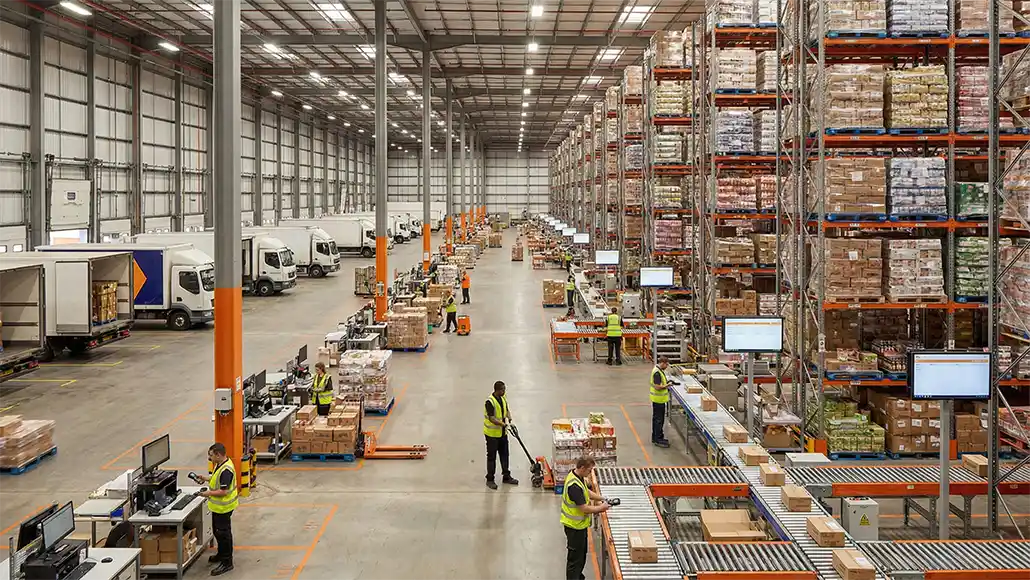
Packaging standardization and consistency facilitates inventory management, reducing complexity that diverse packaging formats introduce. Warehouses managing standardized packaging can implement efficient inventory systems utilizing space effectively and enabling rapid stock rotation. Diverse packaging formats create management complexity, reducing warehouse efficiency and increasing inventory errors.
First-in-first-out inventory rotation critical for perishable products becomes more complex with diverse packaging, as tracking and ensuring proper rotation of multiple product formats increases processing burden. Standardized formats simplify rotation management, reducing risk of products exceeding shelf life while younger inventory remains in distribution.
Regulatory Compliance and Market Access Resilience
Multi-Market Certification and Labeling Flexibility
Packaging capable of supporting multiple regulatory and language requirements provides market access flexibility valuable during supply disruptions. If production or inventory patterns shift unexpectedly, packaging accommodating rapid labeling changes enables products to be redirected to alternative markets despite regulatory label requirements.
Digital labeling solutions including QR codes linking to mobile product information reduce dependence on fixed packaging labels. Products packaged with digital-enabled information can serve diverse markets by adjusting digital information accessed through QR codes, while maintaining consistent physical packaging across markets. This flexibility enhances supply resilience by enabling products to reach whichever markets have available demand regardless of specific language and regulatory requirements.
Import-Export and Trade Facilitation
Packaging design facilitating international commerce enhances supply chain resilience during disruptions requiring geographic supply reallocation. Products configured for export requirements—meeting international phytosanitary standards, incorporating required certifications, utilizing standardized labeling—can rapidly move to alternative markets if primary markets experience demand reduction.
Conversely, packaging optimized exclusively for domestic markets constrains export flexibility. Products experiencing low domestic demand during disruptions cannot readily access export markets if packaging fails to meet international requirements. This geographic inflexibility reduces supply chain ability to utilize available demand and maintain production continuity.
Financial Implications and Organizational Resilience
Cost Management and Margin Preservation
Lightweight packaging reducing transportation cost and storage requirements directly enhances organizational financial resilience by reducing cost structure burden during demand disruptions. When revenue declines due to demand reduction, lower cost structures enable organizations to maintain profitability at lower revenue levels, preserving financial viability while demand recovers.
Standardized packaging reducing complexity and enabling manufacturing efficiency maintains cost structure lean during both normal operations and disruption periods. Complex, specialized packaging creating manufacturing inefficiency and supply disruption management overhead increases organizational vulnerability by limiting flexibility while creating cost burdens independent of demand volume.
Insurance and Risk Mitigation Economics
Packaging strategies reducing spoilage, contamination, and damage losses provide insurance-like functions protecting organizational financial stability. Products successfully delivered without quality loss generate revenue; products damaged or spoiled during distribution generate losses offsetting revenue benefits.
Organizations implementing advanced packaging reducing spoilage may be eligible for reduced insurance premiums reflecting lower loss exposure. Conversely, inadequate packaging increasing spoilage creates insurance claims and premium increases, directly reducing organizational profitability.
Implementation Frameworks for Resilience-Focused Packaging
Supply Chain Assessment and Vulnerability Analysis
Organizations seeking to strengthen food supply chain resilience through packaging improvements should begin with comprehensive supply chain assessment identifying specific vulnerability categories and disruption scenarios most threatening organizational viability. Different organizations face different risk profiles; a retailer dependent on narrow supplier base faces different vulnerabilities than a vertically integrated manufacturer.
Vulnerability assessment should identify specific packaging characteristics contributing to resilience or creating vulnerabilities. Organizations should evaluate whether current packaging choices reflect deliberate trade-offs optimizing resilience or inadvertent choices imposing unnecessary constraints.
Phased Implementation and Continuous Improvement
Comprehensive packaging strategy redesign requires substantial investment and implementation complexity, suggesting phased approaches prioritizing highest-impact improvements. Initial phases should address critical vulnerabilities—packaging constraints preventing geographic flexibility or standardization opportunities enabling rapid format reconfiguration.
Subsequent phases can address more sophisticated enhancements including advanced temperature management, extended shelf-life optimization, and supply chain transparency technologies. Continuous assessment of emerging disruption patterns and supply chain changes should inform ongoing strategy evolution