
























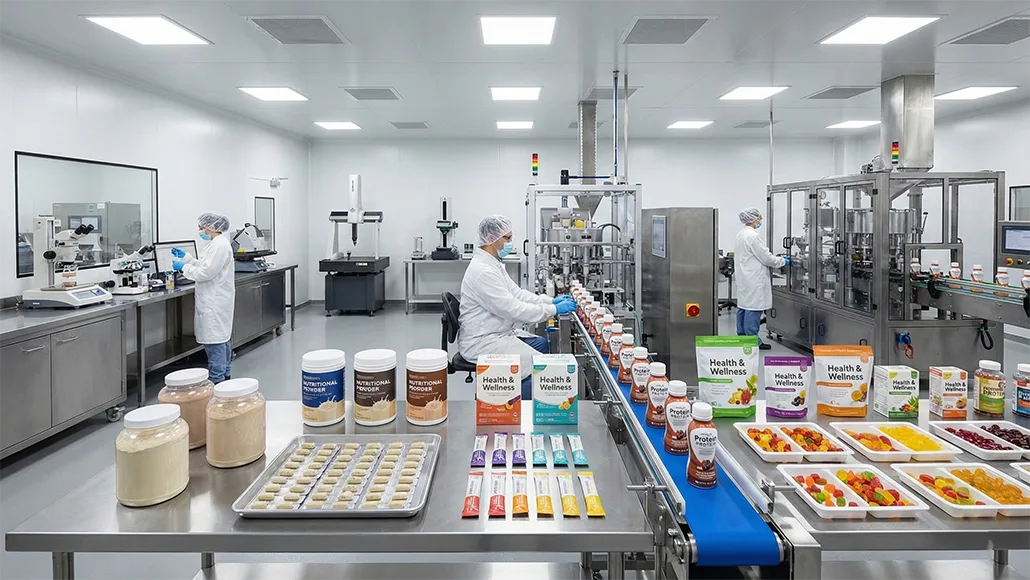

The functional food and specialized nutrition market has experienced extraordinary growth as health-conscious consumers increasingly embrace products delivering targeted health benefits beyond basic nutrition. From superfood powders and colostrum-based supplements to fortified beverages and performance nutrition offerings, food manufacturers continuously develop novel product formats addressing specific wellness objectives and consumer preferences. This product innovation explosion creates unprecedented packaging challenges, as traditional packaging systems designed for conventional foods prove inadequate for powders, liquids, microencapsulated ingredients, and other specialized formulations.
Packaging innovations enabling new food formats and functional products must simultaneously address multiple competing requirements. Products must remain stable and potent throughout shelf life despite containing sensitive functional ingredients vulnerable to oxidation, moisture, temperature fluctuation, and light degradation. Users require convenient access, accurate dosing mechanisms, and products that integrate seamlessly into consumption routines. Packaging must communicate complex nutritional and functional information to consumers making purchasing decisions based on health claims and ingredient transparency. Meanwhile, manufacturers demand compatibility with existing production equipment, cost-effectiveness at commercial scale, and supply chain flexibility supporting rapid product innovation and market responsiveness.
This article examines how packaging systems are evolving to support functional food innovation, exploring the technical requirements of specialized food formats, the integration of convenience features with protective functionality, and the user experience considerations driving packaging selection in competitive functional food markets.
Understanding Functional Food Packaging Requirements
Ingredient Sensitivity and Stability Challenges
Functional foods and nutritional products frequently incorporate ingredients substantially more sensitive to environmental degradation than conventional foods. Probiotics require protection from moisture and temperature fluctuation that would compromise organism viability. Omega-3 fatty acids and other lipid-based functional ingredients deteriorate rapidly through oxidation, requiring oxygen barrier protection far exceeding conventional food requirements.
Vitamin and micronutrient functional ingredients demonstrate particular sensitivity to light exposure, temperature fluctuation, and moisture interaction. Many vitamins degrade substantially faster at ambient temperature than at refrigerated conditions, requiring packaging that minimizes thermal transmission or enables refrigerated storage without consumer acceptance friction. Encapsulated nutrients—ingredients microencapsulated in protective matrices—remain stable only if packaging prevents moisture infiltration that would compromise the protective coating.
Phytochemical-based functional ingredients including polyphenols, flavonoids, and specialized plant extracts characteristically demonstrate lower chemical stability than isolated macronutrients. These compounds tend toward oxidative degradation and polymerization, requiring packaging systems providing exceptional oxygen barrier and light protection. The functional potency of these ingredients—their health benefit mechanism—often depends on chemical structure that packaging must preserve throughout the product’s shelf life.
Bioavailability, the extent to which body can absorb and utilize functional ingredients, presents additional complexity. Certain formats and delivery systems substantially improve bioavailability compared to conventional delivery. Packaging must be compatible with formulation technologies optimizing bioavailability while maintaining the chemical stability that protects functional efficacy.
Compatibility with Diverse Food Matrices
Functional food formats span remarkable diversity, from powders and capsules to liquids, semi-solids, and foods incorporating functional ingredients as minor components. Each format presents distinct packaging requirements. Powdered supplements require barrier protection from moisture and oxygen while enabling convenient measurement and mixing. Liquid functional products must accommodate aqueous, lipid, or mixed matrices with different chemical compatibility profiles. Functional beverages containing probiotics, botanical extracts, or other sensitive ingredients require protection from light, oxygen, and thermal stress while maintaining consumer-convenient serving formats.
Semi-solid functional products including nut butters, pastes, and spreads incorporating functional ingredients present particular challenges. These products frequently contain sufficient fat content to enable oxidative degradation, requiring oxygen barrier properties. Simultaneously, the viscosity of semi-solid products complicates packaging into conventional containers, requiring specialized filling equipment and closure systems preventing separation and leakage.
Formats incorporating functional ingredients into conventional foods—baked goods, dairy products, snack foods—require packaging that protects ingredients distributed throughout the food matrix. The functional components must remain stable despite being exposed to processing conditions and food matrix interactions throughout shelf life. Packaging must therefore protect not only against external environmental stresses but also against migration and interaction between functional ingredients and food matrix components.
Powder and Dry Format Packaging
Barrier Properties and Moisture Protection
Powdered functional products represent one of the most rapidly growing segments of the functional food market, driven by consumer preferences for convenience, concentrated nutrition, and ease of integration into smoothies, beverages, and recipes. However, powders present exceptional packaging challenges due to their high surface-area-to-volume ratios and tendency to absorb moisture readily.
Advanced barrier films provide the foundation for powder packaging, employing multiple layers optimizing different protective functions. High-barrier layers incorporating materials like ethylene vinyl alcohol or polyvinylidene chloride provide oxygen barrier essential for ingredient stability. Moisture barriers employ polyethylene or polypropylene layers with carefully controlled film thickness maintaining stability across temperature ranges typical of distribution and consumer storage.
Desiccant systems incorporated into powder packaging maintain low moisture conditions throughout the shelf life. Silica gel, calcium oxide, and molecular sieve systems absorb moisture evolving within sealed packages as temperature fluctuates. The inclusion of appropriate desiccant quantities requires careful calculation based on product moisture content, package materials, and expected storage conditions. Inadequate desiccant results in moisture accumulation and product degradation; excess desiccant increases packaging cost without providing commensurate benefit.
Oxygen scavenging systems complement moisture protection, particularly for powders containing oxidation-sensitive ingredients. Iron-based oxygen scavengers react with residual oxygen within sealed packages, converting it to inert oxides that eliminate oxidative chemistry. The activation of iron-based scavengers requires moisture, creating interesting interactions with desiccant systems that must be carefully managed to ensure oxygen scavenging remains effective while preventing moisture accumulation.
Single-Serve and Stick Pack Formats
Single-serve sachets and stick packs have emerged as dominant packaging formats for powdered functional supplements, driven by consumer preferences for portioned convenience and accurate dosing. These formats address the practical challenge that many consumers find measuring powder quantities inconvenient or experience difficulty achieving consistent dosages.
Single-serve formats eliminate measurement requirements, addressing a significant user experience friction point. Consumers simply tear open a sachet and pour contents into beverages or foods, removing the requirement for scoops, scales, or mixing vessels. This convenience advantage proves particularly valuable for functional products emphasizing integration into busy lifestyles or travel contexts where access to mixing equipment may be limited.
The production of single-serve packets requires specialized packaging equipment adapted from pharmaceutical and agricultural industries. Horizontal form-fill-seal machinery creates packets from flat film, filling with powder product while simultaneously forming seals that maintain product integrity during distribution and consumer handling. Vertical form-fill-seal equipment offers alternative approaches particularly effective for products with challenging flow characteristics or for manufacturers seeking different aesthetic presentations.
Material selection for stick packs and sachets emphasizes film combinations providing adequate barrier protection while enabling reliable sealing at production speeds. Multi-layer structures incorporating kraft paper, metallic film, and polymer layers create aesthetically appealing packets with strong barrier protection. Transparent film windows enable consumers to visualize product characteristics, providing quality confirmation and supporting marketing communication.
Resealable Features and User Convenience
For multi-serve powder packaging, resealable features prove essential for maintaining barrier integrity across multiple opening and resealing cycles. Stand-up pouches incorporating zipper seals enable consumers to reseal packets after removing individual servings, preventing moisture infiltration and oxidation exposure that would compromise product stability.
Modern resealable closures employ sophisticated sealing mechanisms ensuring hermetic resealing after multiple opening cycles. Mechanical zippers with enhanced engagement patterns prevent gradual seal deterioration across repeated use. Slider mechanisms incorporating geometric features that improve mechanical closure have largely replaced simple zipper designs, offering more reliable resealing and enhanced consumer confidence in closure integrity.
Alternative resealable mechanisms include fold-and-seal approaches where consumers fold the package opening and apply self-adhesive seals, or press-to-seal technologies where packaging incorporates adhesive layer activated by hand pressure. Each mechanism presents tradeoffs between ease of use, aesthetic appeal, and resealing reliability that manufacturers must evaluate for specific product and consumer profiles.
Liquid and Semi-Solid Functional Product Formats
Ready-to-Drink and Functional Beverage Packaging
Ready-to-drink functional beverages—containing probiotics, botanical extracts, adaptogens, or other functional ingredients—require packaging balancing refrigerated storage requirements with ambient shelf stability and consumer convenience. Traditional plastic bottles or glass containers provide functional beverage delivery but expose products to light and thermal stress degrading functional ingredients.
Advanced packaging for functional beverages incorporates multiple protective layers. Opaque or light-blocking films shield products from light exposure that degrades temperature-sensitive ingredients. Multi-layer structures incorporating barrier materials minimize oxygen ingress supporting probiotic viability and preventing oxidation of functional compounds. In refrigerated applications, packaging must maintain structural integrity despite thermal stress from repeated temperature cycling between storage and consumer usage.
Aseptic packaging enables ambient shelf stability for functional beverages, eliminating refrigeration requirements that increase supply chain cost and limit consumer access. These systems sterilize product and package components separately using steam or chemical sterilants, then combine them in sterile environments, creating shelf-stable products without thermal processing that would damage sensitive functional ingredients. Aseptic technology represents particularly valuable approach for functional beverages containing probiotics or other organisms vulnerable to heat damage.
Single-serve ready-to-drink formats emphasize consumer convenience and accurate consumption portions. These formats address the consumer preference for grab-and-go functionality and reduce preparation friction compared to concentrated products requiring mixing. However, single-serve formats introduce packaging material multiplicity and per-serving cost considerations that manufacturers must balance against convenience benefits.
Specialized Delivery Systems and Microencapsulation
Advanced functional product development increasingly incorporates microencapsulation and specialized delivery systems optimizing bioavailability and taste masking of functional ingredients. Microencapsulated probiotics embedded in protective polymer matrices remain viable despite exposure to harsh environments that would otherwise kill organisms. Microencapsulated oils and lipids prevent oxidation while enabling integration into aqueous beverages without separation.
Packaging innovations supporting microencapsulated products must accommodate the sensitive protective characteristics these systems depend upon. Moisture infiltration compromises polymer matrices protecting microencapsules, releasing protected ingredients prematurely. Oxygen exposure and thermal stress similarly compromise protective effectiveness. Packaging therefore must provide exceptional barrier properties and stable storage conditions maintaining integrity of microencapsulation systems throughout shelf life.
Controlled-release technologies, where functional ingredients release progressively during digestion rather than all simultaneously, require packaging compatibility with release mechanisms. Tablets incorporating layered matrices that dissolve sequentially within the digestive tract require moisture protection preventing premature dissolution. Packaging must accommodate these release systems without triggering or interfering with intended release kinetics.
Specialized Formats and Emerging Product Categories
Gummies and Soft Chewable Formats
Gummy and soft chewable functional products have achieved remarkable market growth by combining palatability, convenience, and accurate dosing in formats appealing broadly to consumers. These formats address the pill aversion that many consumers experience, offering enjoyable consumption experience comparable to candy while delivering functional benefits.
Packaging for gummy products requires protection from moisture loss that would cause hardening and texture degradation. Simultaneously, these products must be protected from moisture absorption that would cause stickiness and difficulty in handling. This moisture equilibrium requirement demands sophisticated barrier properties maintaining precise humidity conditions within sealed packages.
Silica gel desiccant systems incorporated into gummy packaging maintain optimal moisture conditions, but must be sized appropriately for specific product and storage conditions. Temperature fluctuation in retail and consumer storage environments causes moisture migration within packages, requiring desiccant systems responsive to these dynamic conditions. Advanced desiccant materials incorporating humidity indicators communicate desiccant saturation status, signaling when product moisture control has been compromised.
Resealable packaging for gummy products addresses the consumer desire to store opened packages while maintaining product quality. Stand-up pouches with sophisticated zipper seals enable repeated access while maintaining barrier integrity. Blister pack formats with individual compartments enable consumers to access single servings without exposing remaining product to atmospheric moisture and oxygen.
Colostrum and Bioactive Peptide Products
Colostrum powders, derived from initial milk production following birth, have emerged as a breakout functional ingredient category in 2025. These products jumped from athlete and influencer supplement focus into mainstream immune support gummies and ready-to-mix formats. Colostrum’s complex protein and immunoglobulin composition requires exceptional ingredient stability, creating specialized packaging demands.
Bioactive peptides and colostrum-derived ingredients remain stable only under precise moisture and temperature conditions. Packaging must therefore provide enhanced barrier protection and temperature control accommodating these products’ specific stability requirements. Some colostrum products require refrigerated storage despite powder format, necessitating cold chain management throughout supply chain and consumer use.
Taste improvement challenges associated with colostrum products have driven innovation in flavor masking and microencapsulation technologies. Packaging must be compatible with these specialized delivery systems while maintaining consumer-convenient access and consumption.
Dosing Accuracy and User Experience Design
Measuring Devices and Portioning Systems
Accurate dosing of functional ingredients directly impacts perceived product efficacy and consumer satisfaction. Products that consumers believe they administered correctly are perceived as more effective than identical products where dosing uncertainty creates doubt regarding whether consumption was adequate.
Scoop-included packaging provides the most straightforward dosing mechanism, with predefined scoops enabling consistent measurement without additional equipment. The calibration of scoops must account for product bulk density variation caused by processing conditions, moisture content, and ingredient characteristics. A scoop precisely calibrated for one production batch may deliver inaccurate doses if bulk density varies between batches.
Advanced measuring devices incorporated into packaging include graduated scoops enabling variable dosing for different applications or consumer body weights. Level indicators on bottles or containers communicate appropriate fill levels guiding consumers toward recommended dosages. Digital packaging incorporating scale functionality or measurement apps enable precise gravimetric dosing for consumers seeking maximal accuracy.
Preset unit-dose packaging eliminates measurement entirely, providing predefined quantities in individual servings or compartmentalized containers. Blister packs with numbered compartments guide consumer dosing by date, while single-serve sachets contain exact recommended servings. These approaches maximize convenience and eliminate dosing error while accepting the increased packaging material and cost implications.
Integration with Digital Health Technologies
Emerging functional product packaging increasingly integrates with digital health applications and smart devices supporting consumer wellness tracking. QR codes linking to mobile applications enable consumers to log consumption, track intake patterns, and receive personalized guidance regarding optimal dosing and consumption timing.
Packaging incorporating RFID tags enables integration with smart devices, triggering automated consumption reminders or communication with health tracking applications. Intelligent packaging can communicate product lot numbers and consumption dates to digital health records, creating auditable documentation of supplement intake for health professionals and consumers.
Market-Specific Innovations and Category Examples
Sports Nutrition and Performance Products
Sports nutrition represents a particularly innovative category driving packaging format development. Compressed energy bars, liquid carbohydrate supplements, electrolyte powders, and recovery formulations each require specialized packaging addressing the specific demands and usage contexts of athletic consumers.
Pre-workout powders consumed immediately before exercise require portable packaging and rapid dissolvability enabling quick preparation. Packaging innovations including stick packs and single-serve bottles enable convenient consumption without requiring preparation equipment or containers. The functional formats themselves emphasize rapid absorption and utilization, driving ingredient selection and processing that packaging must support.
Post-workout recovery products emphasize rapid nutrient delivery following exercise, driving focus on liquid formats and rapid-mixing powders that minimize preparation time. Packaging innovations including click-and-drink closures, integrated mixing chambers, and ready-to-drink formats address consumer preferences for minimal friction consumption immediately following training.
Personalized and Customized Nutrition
Emerging direct-to-consumer nutrition businesses increasingly offer personalized supplement regimens tailored to individual assessment results or genetic information. These personalized products often arrive as subscription shipments containing multiple products in customized combinations.
Packaging innovations supporting personalized nutrition include compartmentalized boxes organizing multiple products in consumption order, daily packet systems combining complementary products, and subscription shipment packaging minimizing environmental impact while accommodating diverse product types. Digital integration through included QR codes enables consumers to access personalized guidance regarding optimal consumption and expected benefits.
Regulatory and Labeling Considerations
Health Claims and Ingredient Communication
Functional food packaging must communicate complex information regarding functional ingredients, health claims, and recommended dosages while navigating regulatory frameworks governing permissible claims and required disclosures. Packaging space constraints and consumer preference for simplified information create tension with regulatory requirements for comprehensive disclosure.
Interactive packaging incorporating QR codes enabling access to detailed ingredient information and scientific substantiation provides solutions supporting transparent communication while maintaining clean, uncluttered physical packaging. Digital product information enables manufacturers to provide comprehensive scientific substantiation while enabling consumers desiring detailed information to access it without cluttering physical packaging.
Supply Chain Traceability for Functional Ingredients
Functional ingredients frequently source from specialized suppliers operating in limited geographic regions, creating supply chain complexity and traceability requirements. Packaging incorporating digital identifiers enabling supply chain partners to verify ingredient authenticity and trace products through distribution channels supports regulatory compliance and consumer confidence regarding product integrity.
Future Innovations and Market Trajectories
Bioavailability-Optimized Delivery Systems
Future functional product development will increasingly incorporate delivery systems optimizing nutrient absorption through the gastrointestinal tract. Encapsulated systems protecting ingredients from stomach acid and releasing them in the small intestine will become increasingly common. Advanced packaging must accommodate these release systems while maintaining ingredient protection throughout shelf life.
Sustainability and Circular Functional Food Packaging
Consumer interest in sustainability increasingly influences functional food purchasing decisions, particularly among younger demographics prioritizing environmental responsibility. Packaging innovations supporting functional food sustainability include compostable materials suitable for home composting, refillable container systems reducing packaging waste, and designs minimizing material use while maintaining ingredient protection.