














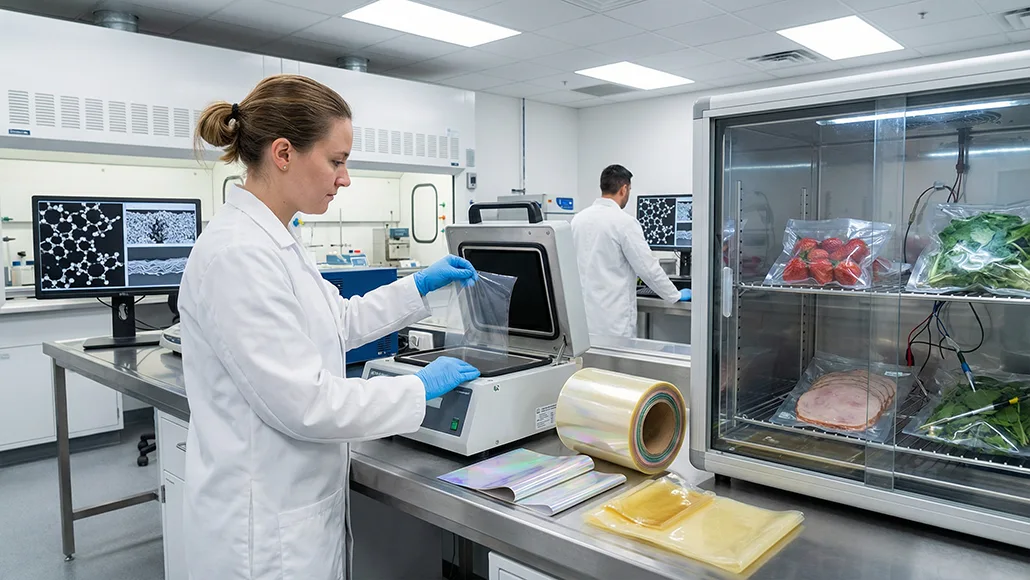

The integrity of our global food supply chain is more dependent than ever on the physical and chemical barriers that protect products during their often-treacherous journey from the production facility to the consumer’s kitchen. In an era of increasing globalization, long-distance logistics, and heightened consumer expectations, the traditional roles of containment and simple labeling are no longer sufficient to ensure safety. Today, food packaging innovation is emerging as a critical line of defense against spoilage, microbial contamination, and resource waste. By leveraging advancements in material science, nanotechnology, and digital connectivity, the industry is creating a new generation of “active” and “intelligent” packaging systems that do not just hold a product, but actively preserve and monitor it.
The Rise of Active Packaging and Proactive Antimicrobial Barriers
One of the most significant and exciting frontiers in food packaging innovation is the development of active packaging materials. Unlike traditional passive packaging, which merely provides a physical barrier between the food and the outside world, active systems are designed to interact with the internal environment of the package to maintain or even improve the quality and safety of the food. This includes the use of sophisticated oxygen scavengers, moisture regulators, and ethylene absorbers that can significantly slow down the natural process of biological decay and oxidation. These components are often integrated directly into the packaging film or included as small sachets, effectively creating a controlled micro-environment that extends the life of the product without the need for additional chemicals.
Perhaps more revolutionary is the integration of antimicrobial coatings and matrices. By incorporating natural compounds like essential oils (such as oregano or thyme), silver nanoparticles, or organic acids directly into the packaging material, manufacturers can actively inhibit the growth of dangerous foodborne pathogens like Listeria, Salmonella, and E. coli. This proactive approach to safety reduces the reliance on synthetic chemical preservatives within the food itself, aligning perfectly with the growing global consumer demand for “clean label” and minimally processed products. This innovation is particularly vital for the fresh-cut produce and ready-to-eat meal sectors, where the risk of contamination is high and the window for consumption is narrow.
Advanced Barrier Technologies and the Science of Shelf-Life Extension
The global battle against food waste which accounts for nearly a third of all food produced is being won through highly sophisticated barrier technologies that precisely control the migration of gases and vapors. High-performance multi-layer films are now engineered at the molecular level to provide customized protection based on the specific respiration rate of a particular food item. For instance, modified atmosphere packaging (MAP) allows for the replacement of ambient air with a tailored gas mixture (often nitrogen and carbon dioxide) that prevents oxidation and staves off the growth of aerobic microorganisms.
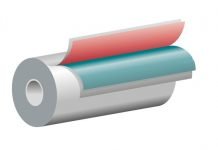
Food packaging innovation in this area has led to the creation of ultra-thin, high-barrier materials that provide the same level of protection as thick, bulky containers but with a much lower environmental footprint. Nanocomposite materials, which incorporate tiny clay particles or other nanomaterials into the polymer matrix, create a “tortuous path” for oxygen and moisture molecules, making it much harder for them to penetrate the package. This not only preserves the nutritional value, texture, and flavor profiles of the food but also reduces the energy required for refrigerated transportation. This synergy of safety and efficiency is creating a ripple effect of sustainability throughout the entire supply chain, ensuring that high-quality nutrition can reach even the most remote populations.
Intelligent Labels and the Power of Real-Time Quality Monitoring
While active packaging works silently to preserve the food, intelligent packaging focuses on providing clear, actionable information about its condition. The integration of Time-Temperature Indicators (TTIs) and chemical freshness sensors is a landmark achievement in food packaging innovation. These small, cost-effective labels change color or provide a digital signal if a product has been exposed to temperatures outside of its safe range for a prolonged period, or if specific chemical markers of spoilage (such as ammonia or sulfur compounds) are detected within the package.
This technology is poised to replace the often-arbitrary and conservative “best before” or “use by” dates with actual, real-time data on the product’s safety. For retailers and logistics providers, this means being able to identify and remove compromised batches before they ever reach the consumer, while for shoppers, it provides the ultimate peace of mind. In a future where every package is “aware,” we can move away from mass disposals of perfectly good food based on a calendar date and instead focus on the actual state of the product. This data can also be harvested by supply chain managers to identify “hot spots” in their logistics network where temperature excursions are common, allowing for targeted infrastructure improvements.
Enhancing Traceability and the Building of Brand Transparency
In the unfortunate event of a food safety incident or a potential contamination, the speed and accuracy of a recall can quite literally save lives. Modern food packaging innovation is facilitating this through the use of unique digital identifiers, such as encrypted QR codes and Near Field Communication (NFC) tags, which are rapidly becoming standard features on premium and sensitive food products. These tags provide a direct, unalterable link to a secure blockchain or cloud-based database that stores every detail of the product’s biography where it was grown, which farm it came from, when it was processed, and every distribution center it passed through.
This level of granular traceability ensures that if a contamination source is identified, only the specific affected units need to be recalled, preventing the massive waste and brand damage associated with broad, nationwide product withdrawals. Furthermore, it empowers consumers to scan a package in the store aisle and instantly verify the origin, safety certifications, and even the sustainability credentials of their food. This transparency is a powerful tool for building trust in an age where consumers are increasingly skeptical of “industrial” food systems. By providing a window into the supply chain, food packaging innovation is helping to bridge the gap between the producer and the consumer.
Designing for Ultimate Hygiene and Cross-Contamination Prevention
Beyond the chemistry and physics of the materials themselves, the physical design and ergonomics of food packaging are evolving to prioritize hygiene and ease of handling. Hygienic design principles ensure that containers and lids have smooth surfaces and minimal “dead zones” where food particles, moisture, or bacteria could accumulate over time. This is particularly important for reusable packaging systems which are gaining popularity in the name of sustainability but require rigorous cleaning protocols to remain safe.
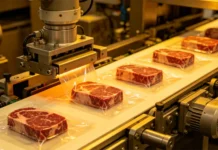
Easy-open and resealable features are also being refined to prevent cross-contamination in the domestic kitchen environment. For example, many meat and poultry products now feature “no-touch” vacuum-sealed packaging that allows the user to transfer the product directly into a pan or oven without coming into contact with raw juices or surfaces. This focus on the human interaction with the package is a vital, often overlooked component of food packaging innovation, acknowledging that the chain of safety only ends when the food is finally cooked and consumed. By making safe handling intuitive, packaging design can significantly reduce the incidence of domestic foodborne illnesses.
The Critical Interplay Between Safety and Global Sustainability
A major challenge currently facing the industry is the urgent need to balance these high-tech safety requirements with the global push for environmental sustainability. Historically, some of the most effective safety barriers were made of complex, non-recyclable multi-layer plastics that were destined for landfills. However, current food packaging innovation is intensely focused on developing “green” barriers that do not compromise on performance. We are seeing the emergence of biodegradable coatings derived from agricultural byproducts, such as shrimp shells (chitosan), seaweed extracts, or plant proteins, which provide excellent oxygen resistance and antimicrobial properties.
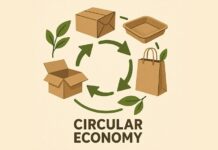
The ultimate goal is to create a truly circular economy where packaging is safe for the food, safe for the consumer, and safe for the planet. As these bio-based materials become more commercially viable and production scales up, they will allow the food industry to move away from its historical dependence on fossil fuels without sacrificing the high standards of safety that modern society expects. This “double-win” of safety and sustainability is the true benchmark of modern innovation, proving that we do not have to choose between a healthy population and a healthy planet.
In conclusion, the rapid advancements we are witnessing in food packaging innovation are fundamental to the stability and safety of the modern world’s complex nutrition systems. By moving from simple passive containment to active, intelligent, and transparent systems, the industry is significantly reducing the inherent risks of a globalized, high-speed supply chain. These technologies ensure that food remains safe, fresh, and nutritious from the moment it is harvested and packaged until it is finally consumed. As we continue to refine these materials and integrate them with global digital tracking systems, we are not just protecting products; we are protecting people and building a foundation of trust that is essential for a healthy and sustainable future.