













The global beverage industry is a sector defined by staggering volumes, razor-thin profit margins, and the relentless, non-stop pace of consumer demand. In such a hyper-competitive landscape, the ability to produce, fill, and distribute liquids with maximum speed and absolute minimum waste is the primary differentiator between industry leaders and those who find themselves struggling to remain viable. This operational excellence is largely driven by the rapid and continuous evolution of beverage packaging technologies. From the development of ultra-fast rotary fillers to the precise science of container lightweighting, every single aspect of the bottling and canning process is being scrutinized and optimized for peak efficiency. These technological advancements are not only drastically improving the bottom line for manufacturers but are also playing a crucial role in reducing the environmental footprint of one of the world’s most resource-intensive industrial sectors.
The Impact of High-Speed Filling and Aseptic Processing Excellence
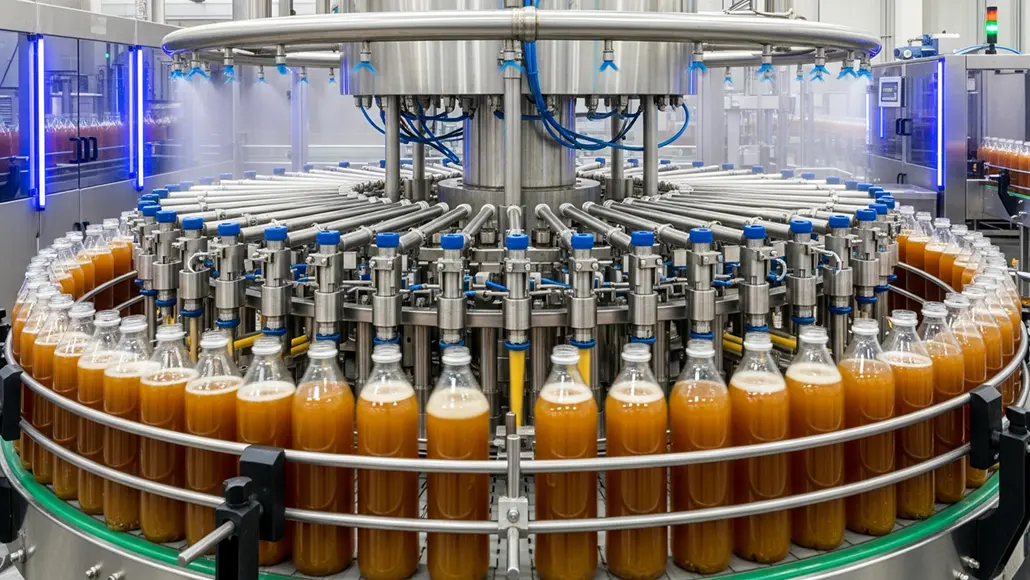
At the absolute core of any modern bottling facility is the filling equipment, which has seen dramatic and consistent improvements in precision, speed, and reliability. Modern beverage packaging technologies now allow for filling speeds that were once thought to be physically impossible, with some state-of-the-art lines capable of processing well over 100,000 bottles or cans per hour. This is achieved through the use of electronic flow meters and sophisticated control algorithms that ensure every single container is filled to the exact milliliter, completely eliminating the “overfill” waste that can cost a large-scale manufacturer millions of dollars in lost product annually. This precision also ensures that the headspace in the container is consistent, which is vital for maintaining carbonation levels and product stability during shipping.
Furthermore, the rise of aseptic filling technology has been a complete game-changer for the dairy, plant-based milk, and juice sectors. By sterilizing the product and the container separately and then filling in a completely sterile, hermetically sealed environment, companies can achieve long, shelf-stable lives without the need for chemical additives or the high energy costs of a refrigerated cold chain. Beverage packaging technologies in the aseptic space allow for a much more flexible distribution model, expanding market reach into regions where reliable refrigeration infrastructure may be lacking. This efficiency in preservation and logistics simplifies the entire supply chain, leading to significant cost savings and a reduction in food waste on a global scale.
Container Lightweighting and the Science of Material Optimization
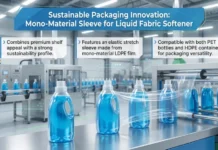
Perhaps the most visible and impactful manifestation of beverage packaging technologies is the physical evolution of the containers themselves. Lightweighting the intense process of reducing the total amount of plastic, glass, or aluminum used in a bottle or can without compromising its structural integrity or safety has become a top priority for every major brand. Through the application of advanced finite element analysis (FEA) and high-performance computer-aided design (CAD), engineers can now identify exactly where a container needs reinforcement and exactly where material can be removed to save weight. A modern plastic water bottle today weighs significantly less than its counterpart from a decade ago, yet it can withstand the immense pressures of stacking and high-speed transport just as effectively.
This reduction in raw material usage directly translates to lower procurement costs and, perhaps more importantly, a substantial decrease in transportation-related carbon emissions. Because the containers are lighter, more units can be shipped per truckload or shipping container before reaching the weight limit, optimizing logistics and reducing the number of trips required. Furthermore, the industry is increasingly moving toward 100% recycled PET (rPET), which further enhances the sustainability profile of the container. The combination of lightweighting and recycled content is a powerful example of how beverage packaging technologies are aligning economic goals with the urgent need for environmental stewardship.
Innovation in Secondary and Tertiary Packaging Workflows
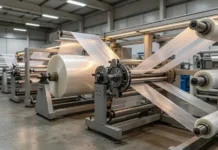
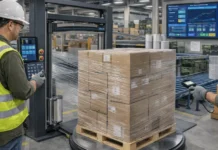
While the primary container the bottle or can often receives the most consumer attention, beverage packaging technologies are also fundamentally transforming the way products are bundled, protected, and palletized for wholesale distribution. The transition from heavy, traditional cardboard cases to thin, high-strength shrink films and recyclable plastic trays is a major efficiency driver that reduces both weight and waste. Modern wrap-around packers can now handle a massive variety of pack configurations from traditional six-packs to complex, multi-flavor promotional variety packs with minimal mechanical changeover time.
Additionally, we are seeing the move toward “label-less” bottles, where branding and nutritional information are embossed directly into the plastic or printed using specialized digital inks. This innovation is eliminating the need for separate label applicators and the significant waste associated with adhesive-backed paper or plastic labels. These streamlined end-of-line processes allow the entire facility to operate as a single, cohesive, and highly efficient unit focused on maximum throughput. By reducing the number of components in the final package, manufacturers are simplifying their supply chains and making it easier for consumers to recycle the final product, closing the loop on the circular economy.
Water and Energy Conservation Strategies in the Modern Bottling Plant
Efficiency in the beverage sector is not just about the speed of the line; it is also about the responsible and ethical use of critical utilities like water and electricity. Modern beverage packaging technologies are increasingly focused on reducing the “water-to-product” ratio the total amount of water used in the facility for cleaning and cooling compared to the amount that actually ends up inside the bottle. Advanced clean-in-place (CIP) systems now utilize smart sensors and real-time monitoring to determine exactly when a line is sufficiently sanitized, preventing the excessive and unnecessary use of water and harsh cleaning chemicals.
Similarly, the energy required for the stretch blow molding process (blowing PET preforms into bottles) is being drastically reduced through the use of high-efficiency infrared heating systems and air recovery units. These units capture and reuse the high-pressure air needed to shape the containers, which was previously vented into the atmosphere. These “behind the scenes” technical efficiencies are vital for companies operating in regions where water scarcity is a reality and high energy costs are a significant operational risk. By investing in these beverage packaging technologies, companies are future-proofing their operations against resource volatility while significantly improving their overall sustainability ratings.
The Pivotal Role of Digitalization, IoT, and Smart Sensors
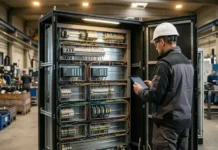
The integration of the Internet of Things (IoT) and “Big Data” into beverage packaging technologies has brought a new level of digital intelligence to the factory floor. Every component of a modern high-speed filling line, from the depalletizer to the automated case sealer, is now equipped with hundreds of sensors that monitor every aspect of performance in real-time. This connectivity allows for the implementation of “smart lubrication” systems that apply oil only to specific bearings when a need is detected, or vacuum systems that adjust their power consumption based on the weight and surface area of the containers being handled.
More importantly, this constant stream of data is used to calculate Overall Equipment Effectiveness (OEE) with pinpoint accuracy. By identifying the specific micro-stops, jams, or bottlenecks that slow down production, managers can make informed, data-driven decisions about maintenance schedules and equipment upgrades. This ensures that the facility operates at absolute peak capacity for the maximum number of hours each day. The ability to remotely monitor a line from across the globe also allows for expert troubleshooting and support without the need for expensive and time-consuming site visits, further boosting the operational efficiency of global beverage giants.
Adapting to Changing Consumer Preferences and SKU Proliferation
The modern consumer demands a staggering level of variety, leading to a massive increase in Stock Keeping Units (SKUs) for every major brand. A single bottling facility might now be responsible for producing sparkling water, energy drinks, tea, and plant-based milks, each with its own specific requirements for temperature, carbonation, and unique container type. Beverage packaging technologies are adapting to this immense complexity through the use of modular, multi-format lines that prioritize flexibility alongside speed.
These systems feature quick-change parts, magnetic conveyors, and software-driven adjustments that allow for a complete product and format switch in under thirty minutes. The ability to handle diverse product profiles on a single physical line prevents the need for massive capital investment in separate dedicated facilities for every new trend. This agility allows beverage companies to be highly responsive to fast-moving consumer trends such as the sudden rise in functional beverages or limited-edition seasonal flavors while maintaining the high-volume efficiency that the industry requires to stay profitable.
In conclusion, the advancements we are seeing in beverage packaging technologies are the silent, powerful engine driving the liquid refreshment industry into the future. By focusing on speed, material reduction, and resource conservation, these technologies are enabling manufacturers to meet the needs of a growing global population while addressing the urgent and non-negotiable call for industrial sustainability. The transition from traditional mechanical bottling to smart, high-speed, and resource-efficient systems represents one of the most significant leaps in industrial capability in recent history. As we look to the future, the continued refinement of these technologies will ensure that the beverage industry remains a global model of efficiency, demonstrating how technical innovation can perfectly balance economic growth with environmental and social responsibility.