
















The fourth industrial revolution is no longer a distant theoretical concept or a buzzword reserved for tech conferences; it is a tangible, powerful reality that is currently rewriting the operational manual of the global manufacturing sector. Within this context, digital transformation in packaging has emerged as one of the most significant and profound shifts in the history of the industry. For decades, packaging was a discipline defined almost exclusively by mechanical engineering, material science, and physical handling. While those core elements remain vital, they are now being orchestrated by a digital “brain” that spans the entire global value chain. This integration of the Internet of Things (IoT), artificial intelligence (AI), and cloud computing is turning traditional factories into “smart factories,” where every machine communicates, every pallet is tracked in real-time, and every decision is informed by data.
The Power of Digital Twins and Virtual Simulation in Design
One of the most transformative elements of digital transformation in packaging is the widespread implementation of digital twins. A digital twin is a high-fidelity virtual replica of a physical packaging line, a specific machine, or even an entire global facility. By connecting the physical equipment to its virtual counterpart via a dense network of sensors and real-time data feeds, engineers can run complex “what-if” scenarios without disrupting actual production. They can test how a new, thinner sustainable material might behave at high speeds, simulate the impact of a conveyor breakdown on downstream processes, or optimize the entire layout of a new facility before a single piece of hardware is even purchased.
This ability to experiment in a completely risk-free virtual environment drastically reduces the time, cost, and risk associated with industrial innovation. It allows for a level of precision in planning and execution that was previously unattainable, ensuring that when changes are finally implemented on the factory floor, they are already proven to be effective and efficient. Digital twins also serve as a powerful training tool, allowing operators to learn how to manage complex systems in a simulated environment before they ever touch the real machinery. This accelerates the onboarding process and reduces the likelihood of costly human errors during the startup of new lines.
Moving Toward Predictive and Prescriptive Maintenance Models
In a traditional packaging environment, maintenance was often a reactive and costly task fix it when it breaks or a rigidly scheduled one based on average lifespans, which often led to the unnecessary replacement of functional parts. Digital transformation in packaging has replaced these inefficient models with predictive and prescriptive maintenance. By analyzing the “heartbeat” of every machine its micro-vibrations, thermal signatures, and energy consumption patterns AI-driven algorithms can predict a component’s failure with remarkable accuracy weeks before it actually occurs.
Prescriptive maintenance takes this a significant step further by not only predicting the failure but also recommending the specific, optimized action needed to prevent it. This might include automatically ordering a spare part from a supplier, scheduling a specific technician based on their skills, or adjusting the machine’s operating parameters to reduce stress on the failing component until it can be replaced. This shift from “repair” to “prevent” has a massive impact on Overall Equipment Effectiveness (OEE), as it virtually eliminates unplanned downtime and ensures that the packaging line remains in its optimal operating state for the longest possible period. In a high-volume industry where even a ten-minute stoppage can represent thousands of dollars in lost revenue, the value of this digital foresight is incalculable.
Data-Driven Production and the Reality of Real-Time Optimization
The true value of a connected factory lies in its inherent ability to respond to information as it happens, rather than after the fact. Digital transformation in packaging enables a “closed-loop” production system where the line can automatically adjust itself based on incoming data streams. For example, if a high-speed vision system detects a slight, persistent increase in label misalignment on a bottling line, it can signal the applicator to recalibrate its position by a fraction of a millimeter without any human intervention. Similarly, if sensors detect that the ambient humidity in the warehouse has fluctuated, the cooling and sealing systems in the packaging area can adjust their settings to protect moisture-sensitive materials.
This level of granular, automated control ensures that quality remains absolutely consistent across millions of units, drastically reducing waste and the need for labor-intensive manual inspection. It also allows for much greater operational flexibility, as the digital control system can manage the complex logistics of frequent product changeovers and small-batch production runs that are increasingly common in today’s consumer-driven market. By treating the packaging line as a dynamic, intelligent system rather than a series of static mechanical steps, manufacturers can achieve levels of efficiency and quality that were once thought to be mutually exclusive.
Connecting the Consumer Through the Rise of Smart Packaging
Digital transformation in packaging does not end at the factory door or the warehouse dock; it extends all the way to the consumer’s home. The rise of “smart packaging” containers with embedded QR codes, NFC tags, or digital watermarks is creating a direct, powerful digital link between the brand and the end-user. This connectivity allows for enhanced transparency and safety, where a consumer can scan a package to verify its authenticity, see its specific carbon footprint, or learn about the ethical sourcing of its ingredients. For the manufacturer, this provides a wealth of invaluable first-party data on consumer behavior, such as when and where a product is opened and how often it is repurchased.
This “connected packaging” ecosystem is a vital part of the digital journey, turning the physical package into a dynamic media channel and a tool for building long-term brand loyalty through personalized digital experiences. For example, a scanned wine bottle could offer food pairing suggestions, while a medicine bottle could send a reminder to a patient’s smartphone when it’s time for their next dose. By blurring the lines between the physical product and digital services, packaging companies are moving from being commodity suppliers to being strategic partners in the consumer experience. This data-driven approach allows for more targeted marketing and more efficient product development, as brands can see exactly what resonates with their customers in real-time.
Cloud Computing and the Power of Global Supply Chain Visibility
The global and interconnected nature of modern packaging operations requires a level of coordination that traditional, localized IT systems simply cannot provide. By moving data to the cloud, organizations can achieve a “single source of truth” that is accessible to stakeholders across the globe in real-time. Digital transformation in packaging allows a corporate headquarters in one country to monitor the real-time performance of a packaging facility in another, facilitating better resource allocation, global benchmarking, and the rapid sharing of best practices across the entire network.
This global visibility is particularly critical during times of significant supply chain disruption. If a raw material shipment is delayed due to weather or logistics issues, the digital system can automatically update production schedules across multiple global sites to compensate, ensuring that customer orders are fulfilled with minimal delay. This interconnectedness builds a much more resilient and agile organization capable of navigating the complexities and volatility of the modern global economy. Furthermore, cloud-based platforms facilitate better collaboration with suppliers and logistics partners, creating a transparent ecosystem where data flows freely to optimize every step of the journey from raw material to finished product.
The Critical Human Element: Upskilling for a Digital-First Workforce
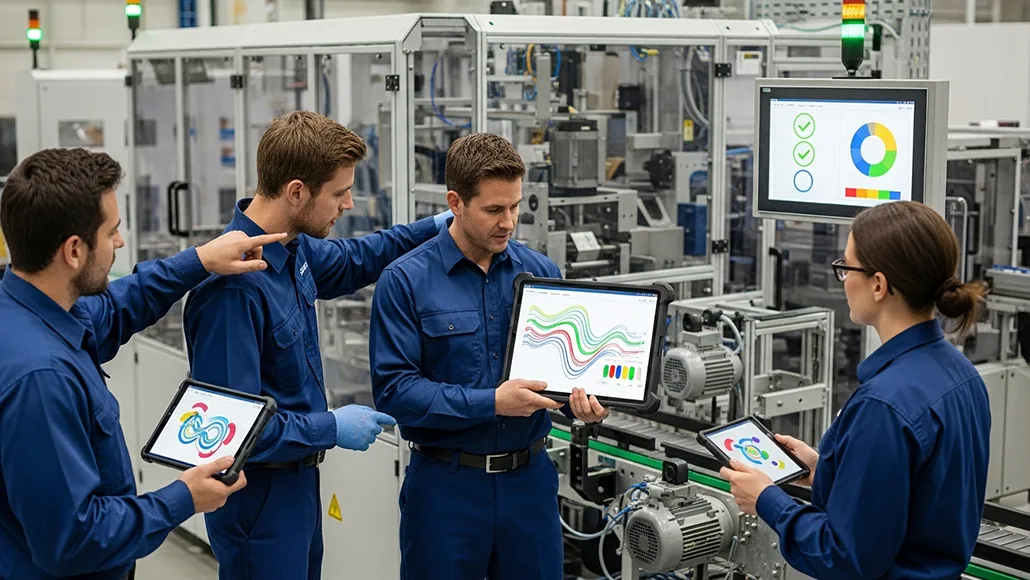
A significant but often overlooked aspect of digital transformation in packaging is its profound impact on the workforce. As machines become more autonomous, aware, and data-driven, the role of the factory worker is evolving from a manual operator to a technical supervisor and data analyst. This transition requires a massive, ongoing commitment to upskilling and a fundamental shift in organizational culture. Workers now need to be comfortable using mobile devices to monitor line performance, interpreting complex data dashboards, and troubleshooting software-related issues that go far beyond mechanical repairs.
Far from replacing people, digitalization empowers them with better tools and much more accurate information, allowing them to focus on high-value tasks that require uniquely human creativity, empathy, and critical thinking. The successful integration of technology depends entirely on the ability of the human workforce to adapt and embrace these new digital workflows as a natural part of their daily professional lives. Companies that prioritize the “human side” of digital transformation by fostering a culture of continuous learning and digital literacy are the ones that will truly reap the rewards of their technological investments. The smart factory of the future is not one without people, but one where people and technology work in a seamless, high-performance partnership.
In conclusion, digital transformation in packaging is a comprehensive and non-negotiable overhaul of the industry’s DNA. By embracing the power of data, connectivity, and artificial intelligence, the sector is setting new global standards for efficiency, quality, and sustainability. The transition from isolated mechanical units to a unified digital ecosystem is enabling manufacturers to overcome traditional limitations and explore entirely new frontiers of innovation. While the journey toward a fully autonomous “lights-out” facility is ongoing and complex, the benefits of digitalization are already being felt in improved profit margins, reduced environmental impact, and deeper, more meaningful consumer engagement. As technology continues to evolve at an exponential rate, the ability to successfully navigate and master this digital landscape will be the defining factor of success for any organization in the packaging space.