










The traditional concept of a label as a passive carrier of ingredient lists and barcodes is rapidly fading into history. We are entering a sophisticated era of “The Internet of Packaging,” where every box, bottle, and pouch has the potential to become a dynamic communication hub. This transformation is driven by smart labels innovations in packaging, a field that blends material science with digital connectivity to create a bridge between the physical and virtual worlds. As brands look for new ways to differentiate themselves in crowded markets, these intelligent solutions are providing the tools necessary to engage consumers, secure supply chains, and optimize logistics.
The Technological Architecture of Modern Intelligent Labels
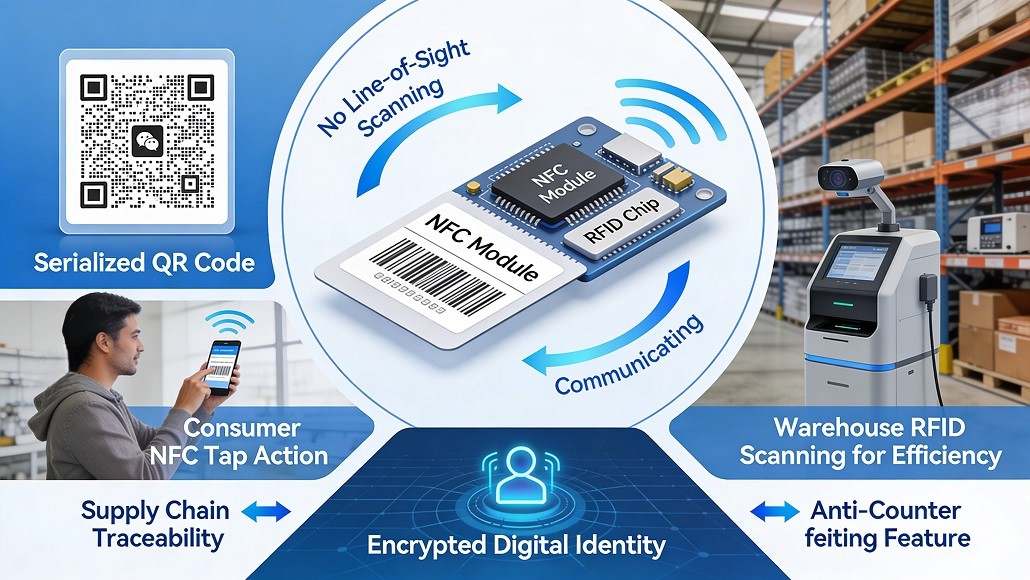
To understand the scope of this innovation, one must look at the diverse array of technologies that fall under the umbrella of smart labeling. At the most accessible level are advanced QR codes. While QR codes have been around for decades, their recent resurgence is fueled by improved smartphone camera capabilities and a consumer base that is now fully accustomed to scanning for information. Modern “serialized” QR codes allow each individual package to have its own unique digital identity, enabling precise tracking and personalized messaging that was previously impossible.
Further up the complexity scale are Near Field Communication (NFC) and Radio Frequency Identification (RFID) technologies. Unlike QR codes, which require a direct line of sight to be scanned, NFC and RFID labels can communicate through radio waves. NFC labels allow consumers to tap their phone against a package to trigger an action perhaps launching an assembly video, checking the authenticity of a luxury item, or reordering a product with a single click. RFID, meanwhile, is the workhorse of the warehouse, allowing for the simultaneous scanning of entire pallets without ever opening a box, drastically reducing labor costs and inventory errors.
Enhancing Consumer Trust through Enhanced Transparency
In an age of increasing skepticism, transparency has become a form of brand currency. Consumers want to know where their food was grown, whether their cosmetics are ethically sourced, and if their medications are genuine. Smart labels innovations in packaging provide the “digital passport” required to prove these claims. By scanning a smart label, a consumer can view the entire journey of a product, from the specific farm of origin to the carbon footprint of its transportation.
This level of detail is particularly crucial in the fight against counterfeiting. Global industries lose billions of dollars annually to fake goods, which can range from harmless knock-off handbags to life-threatening counterfeit pharmaceuticals. Smart labels with encrypted digital signatures provide a robust layer of security that is nearly impossible for counterfeiters to replicate. For the consumer, the ability to verify a product’s authenticity in real-time creates a sense of safety and builds a deep, lasting trust with the brand.
Driving Marketing ROI with Interactive Brand Experiences
Beyond utility and security, connected packaging is a powerful marketing tool that turns the product itself into a media channel. Historically, a brand’s relationship with a consumer often ended at the point of sale. Once the product left the store, the brand had no way of knowing how it was used or if the consumer was satisfied. Smart labels change this dynamic by facilitating an ongoing conversation.
Imagine a bottle of wine that, when scanned, introduces the winemaker through a short video, suggests food pairings, and offers a discount on the next purchase. Or a toy box that uses augmented reality to show a 3D animation of the toy in action before the parent even buys it. These interactive experiences capture consumer attention in a way that traditional advertising cannot. More importantly, they generate first-party data. Every scan provides the brand with information about where, when, and how their product is being interacted with, allowing for more targeted marketing strategies and better product development.
Revolutionizing Supply Chain Efficiency and Waste Reduction
While the consumer-facing benefits are highly visible, the back-end advantages of smart labeling are equally transformative. Packaging traceability is a critical requirement in modern logistics, especially for perishable goods. “Active” smart labels can now incorporate sensors that monitor temperature, humidity, and even the freshness of food. If a shipment of milk exceeds a safe temperature during transit, the label can change color or send an alert to the logistics manager, preventing spoiled goods from ever reaching the consumer.
This real-time monitoring significantly reduces food waste a major global issue. Instead of relying on conservative “best before” dates that often lead to the disposal of perfectly good food, retailers can use dynamic labels that reflect the actual condition of the product. This precision not only saves money for the retailer but also aligns with the sustainability goals of eco-conscious consumers. Furthermore, the automation of inventory management through RFID means that stores can maintain leaner stocks, reducing the overhead of large, unsold inventories.
Navigating the Challenges of Implementation and Adoption
Despite the clear benefits, the widespread adoption of smart labels innovations in packaging is not without its hurdles. Cost remains a primary concern, especially for high-volume, low-margin consumer goods. While the price of NFC and RFID tags has plummeted over the last decade, it is still a significant addition to the cost of a basic label. However, as the technology scales and the “cost of not knowing” (due to theft, spoilage, or lost consumer data) is factored in, the return on investment becomes increasingly clear.
There is also the challenge of infrastructure. For connected packaging to be truly effective, the entire supply chain from manufacturers to retailers must have the hardware and software necessary to read and process the data. This requires a collaborative effort and the establishment of industry-wide standards to ensure that different systems can “talk” to one another. Privacy is another critical consideration; brands must be transparent about what data they are collecting and ensure that they are providing genuine value to the consumer in exchange for that information.
The Role of Smart Labels in a Circular Economy
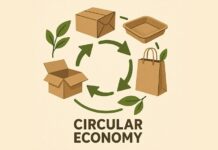
As we look toward the future, smart labels will play a vital role in the transition to a circular economy. One of the biggest obstacles to effective recycling is the difficulty of sorting different types of materials. Smart labels can be programmed with detailed information about the composition of the package, which can be read by automated sorting machines at recycling facilities. This ensures that materials are routed to the correct recycling stream, increasing the purity of recycled resins and making the entire process more economically viable.
Furthermore, these labels can provide consumers with localized instructions on how to recycle the specific package in their hands, based on their current GPS location. This hyper-local guidance removes the confusion that often leads to “wish-cycling” and ensures that more packaging stays out of the landfill. The label, once a simple piece of paper, becomes an essential tool for environmental stewardship.
A New Paradigm for the Packaging Industry
The evolution of smart labels is not just a technological upgrade; it is a fundamental shift in the value proposition of packaging. We are moving away from a world of “dumb” objects and toward an ecosystem of intelligent, connected assets. For brands, the message is clear: the package is no longer just a container; it is a critical touchpoint in the digital journey of the modern consumer.
As the underlying technologies continue to mature and become more affordable, smart labels innovations in packaging will become the standard rather than the exception. The brands that embrace this connectivity today will be the ones that own the consumer relationship tomorrow. By turning every package into a data-driven experience, the industry is not just selling a product it is offering a service, a story, and a commitment to quality and transparency that resonates in the digital age.