















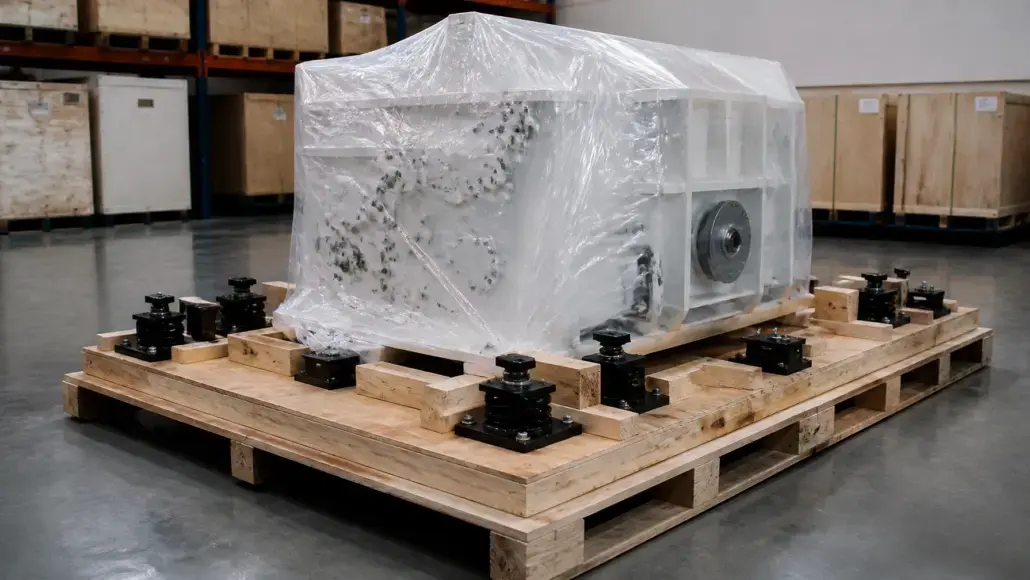
The transportation of high-value industrial equipment presents a unique set of challenges that extend far beyond simple containment. When moving precision machinery, medical imaging devices, or sensitive aerospace components, the primary concern shifts from external abrasion to internal structural integrity. The implementation of advanced shock absorption systems has become a critical requirement for manufacturers seeking to minimize the risk of latent damage during transit. These systems are designed to decouple the sensitive internal components of a machine from the violent kinetic energy generated by road vibrations, rail shunting, or sea-based turbulence. By managing the transfer of energy through controlled deformation or mechanical resistance, industrial packaging engineers can ensure that equipment arrives at its destination in a state that matches its factory-calibrated specifications.
The science behind these protective measures involves a deep understanding of G-force thresholds and natural frequency resonance. Every piece of industrial hardware has a specific fragility rating, which defines the maximum acceleration it can withstand before failure occurs. Engineering a solution that respects these limits requires a multi-layered approach, often combining structural rigidity with elastic components that provide a controlled deceleration path. Without such meticulous planning, the cumulative effect of low-frequency vibrations can lead to mechanical fatigue or the loosening of critical fasteners, potentially resulting in catastrophic failure once the equipment is powered on.
Engineering Principles of Industrial Cushioning
The foundational element of any protective strategy is the selection of materials that exhibit predictable behavior under stress. Traditional expanded polystyrene has largely been superseded by high-performance polyethylene and polyurethane foams that offer superior energy dissipation properties. These materials are engineered to provide a specific compression load deflection, ensuring that the cushion does not bottom out during a significant impact event. The geometry of the cushioning components is equally important: engineers often use convoluted or die-cut shapes to create specific air pockets that assist in the gradual absorption of energy.
In high-stakes logistics, the integration of these materials must be perfectly aligned with the center of gravity of the equipment. If a machine is top-heavy or has an asymmetrical weight distribution, the shock absorption systems must be tuned to provide varying levels of resistance at different contact points. This ensures that the load remains stable and that the dampening effect is uniform across all critical axes. Furthermore, the selection of materials must account for environmental variables, such as temperature fluctuations that could alter the elasticity of synthetic foams, thereby compromising the protective envelope during trans-continental shipping. The chemical stability of these polymers is paramount, as any leaching of additives could potentially interact with the equipment surfaces, leading to unexpected surface contamination or chemical interference with electronic contacts. Professional packaging engineers conduct rigorous material compatibility tests to ensure that the protective layer remains inert throughout the entire duration of the transit and storage period.
Impact Monitoring and Data Integration
Modern industrial protection is increasingly reliant on real-time data to validate the performance of the packaging. Smart sensors and impact recorders are now standard features in the logistics of high-value assets, providing a digital breadcrumb trail of every force the package encounters. These devices track peak acceleration, duration of impact, and even the orientation of the crate during a potential drop event. The data collected serves two primary purposes: it provides immediate evidence of mishandling for insurance purposes and offers valuable insights into the efficacy of the current packaging design.
- Digital impact recorders measure 3-axis acceleration to identify the exact direction of mechanical stress.
- Environmental sensors monitor humidity and temperature changes that could affect the structural integrity of internal cushioning.
- GPS-enabled tracking allows for the correlation of impact data with specific geographical locations or transit modes.
- Threshold alerts notify logistics managers the moment a pre-defined G-force limit is exceeded, enabling proactive inspection.
By analyzing this data over multiple shipments, companies can refine their protective strategies, identifying areas where current designs might be over-engineered or where additional reinforcement is necessary. This iterative process is essential for maintaining the balance between cost and security. Furthermore, the visibility provided by these sensors encourages better handling practices throughout the supply chain, as carriers are aware that their performance is being monitored at a granular level. The integration of such technology ensures that shock absorption systems are not just passive barriers but active components of a comprehensive risk management strategy.
Material Sustainability in Protection
As global industries move toward more sustainable practices, the packaging sector is under increasing pressure to find alternatives to traditional petroleum-based materials. The challenge lies in developing bio-based or recyclable materials that can match the performance characteristics of high-density polyethylene. Recent advancements in mushroom-based packaging and recycled fiber composites have shown promise in providing the necessary dampening for medium-weight industrial goods. However, for extremely heavy or sensitive machinery, synthetic polymers remain the gold standard due to their consistent cell structure and durability.
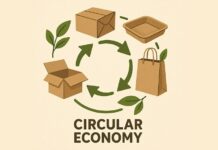
The transition toward sustainability also involves the design of reusable shock absorption systems. Modular dampening units that can be removed from a crate and reintegrated into a new shipment significantly reduce the environmental footprint of the logistics process. This circular approach requires standardized dimensions and a robust recovery network to ensure that the components are returned to the point of origin. When combined with engineered crate designs that are built for longevity, these reusable systems provide a high level of protection while aligning with corporate environmental, social, and governance goals. The focus is no longer just on single-use protection but on creating a durable ecosystem of materials that can withstand multiple transit cycles without degradation.
Scalability of Cushioning Solutions
The diversity of industrial equipment means that protection strategies must be highly scalable. A small medical laboratory instrument requires a different dampening profile than a multi-ton industrial generator. Scalability is achieved through the use of modular dampening blocks and variable-density foams that can be configured to meet the specific requirements of the load. In large-scale operations, the use of pneumatic dampening systems provides an adjustable level of protection that can be tuned to the exact weight and fragility of the equipment. These air-based systems are particularly effective for long-duration shipments where mechanical springs might suffer from fatigue.
Implementation of these scalable systems requires a high degree of technical expertise and specialized testing equipment. Drop testers and vibration tables are used to simulate the rigors of the supply chain, allowing engineers to verify that the shock absorption systems perform as expected across a wide range of scenarios. This testing is crucial for high-value assets where the cost of failure far exceeds the investment in packaging research. By ensuring that the protection can scale to the size and complexity of the machinery, manufacturers can confidently expand their global reach, knowing that their products will arrive in pristine condition regardless of the distance or mode of transport.
Cost Analysis of Custom Protection
Investing in advanced protection often involves a complex cost-benefit analysis. While custom-engineered solutions carry a higher initial price point than off-the-shelf alternatives, the long-term savings in terms of reduced insurance premiums and eliminated repair costs are substantial. The financial impact of a single damaged piece of industrial equipment can disrupt entire production schedules and lead to significant contractual penalties. Therefore, the cost of shock absorption systems should be viewed as an essential insurance policy that safeguards the operational continuity of the end-user.
Effective cost management in this area involves identifying the point of diminishing returns. Over-protecting a low-fragility item leads to unnecessary material waste and increased shipping weights, which in turn drives up fuel costs and carbon emissions. Professional packaging consultants use sophisticated modeling software to determine the optimal level of protection, ensuring that the investment is proportional to the risk. This data-driven approach allows companies to allocate their logistics budget more effectively, focusing their resources on the most critical components of the machine. The result is a streamlined supply chain that prioritizes the safety of the asset while maintaining a competitive cost structure.
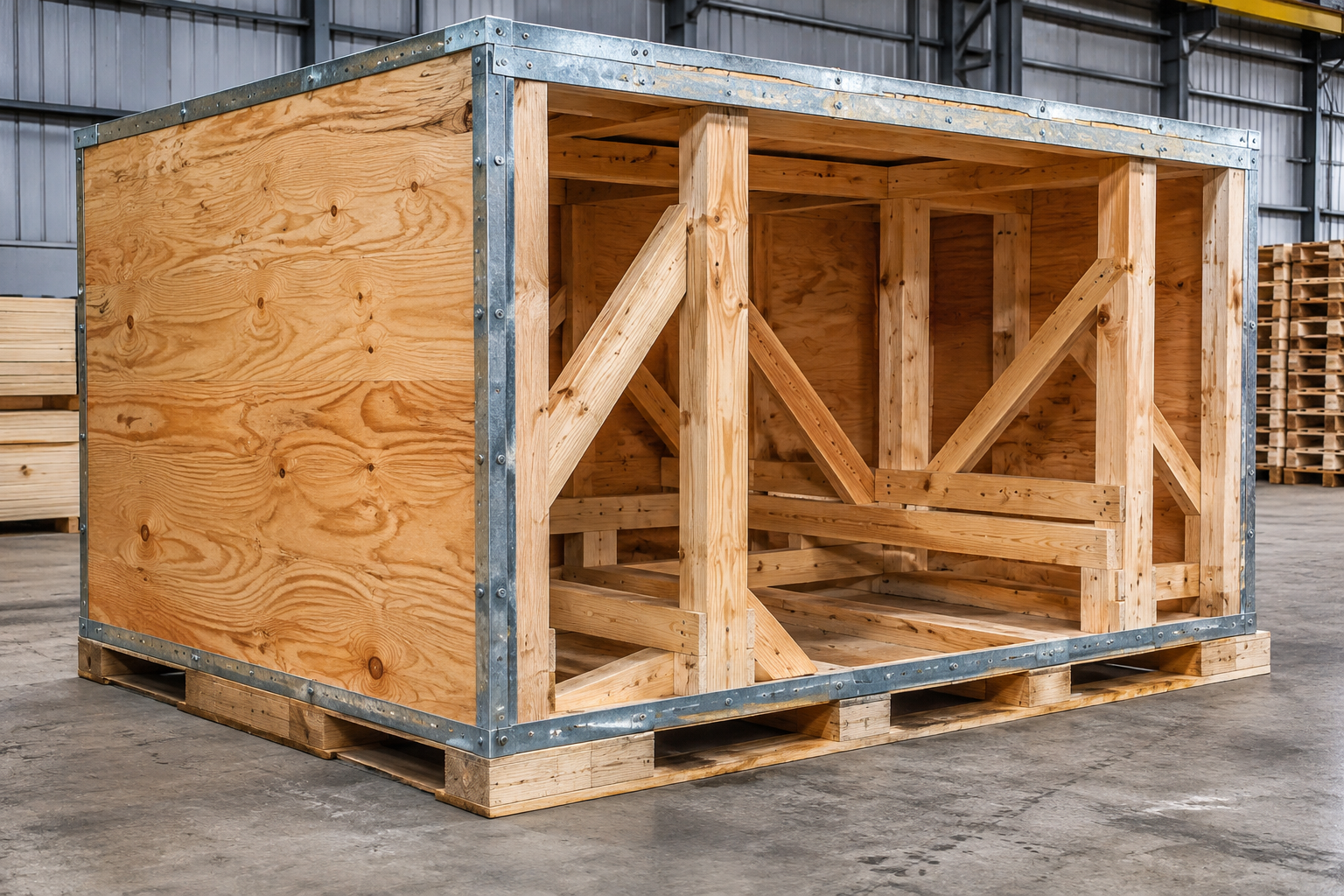
The future of industrial equipment protection lies in the fusion of material science and digital technology. As shock absorption systems become more intelligent and sustainable, they will play an increasingly vital role in the global economy. The ability to transport complex machinery across vast distances without the risk of mechanical failure is a cornerstone of modern manufacturing. By prioritizing the development of these systems, the industrial sector can ensure that progress is never hindered by the limitations of logistics, allowing for the continued deployment of critical technology to every corner of the globe.

