

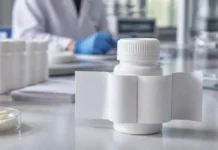












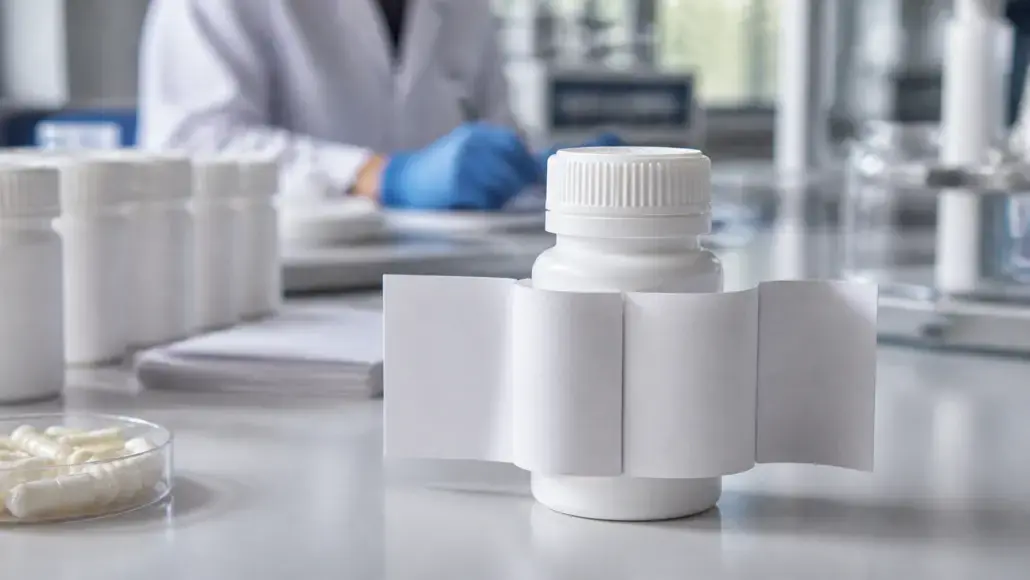

D.O.G. LABEL and UPM have collaborated to develop a pharmaceutical booklet label for an oncology medicine packaged in a small-diameter high-density polyethylene (HDPE) bottle. The project required a thin and flexible label construction with a low-migration adhesive suitable for pharmaceutical applications, while meeting the customer’s planned market launch within six weeks of the initial request.
The Pharmaceutical Booklet Label solution was developed through material selection, technical evaluation and testing. The collaboration enabled the companies to identify a material combination that met the application’s requirements and supported the launch schedule.
D.O.G. LABEL draws on more than 30 years of pharmaceutical packaging experience within the D.O.G. Group. Its capabilities include printing and converting technologies for labelling applications in the pharmaceutical sector.
Anna-Carin Speneder-Magnet, Head of Business Development at D.O.G. LABEL, said, “Pharmaceutical business is built on trust and long-term partnerships. Customers need confidence that both the packaging supplier and the materials will perform reliably throughout the product lifecycle.”
Pharmaceutical Labels Require Application-Specific Materials
Pharmaceutical labels must meet different technical and regulatory requirements depending on their intended application. These can include exposure to sterilisation, gamma radiation, demanding container surfaces and other conditions associated with regulated packaging environments.
Material selection therefore involves evaluating quality management systems, certifications, technical capabilities and regulatory compliance. The process can also include tenders, test batches and validation before a material is approved for use.
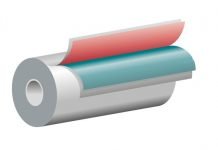
The oncology medicine project presented a specific set of requirements. The customer needed a booklet label combining a base material and overlaminate with a low-migration adhesive. The construction also had to remain sufficiently thin and flexible to conform to a small-diameter HDPE bottle without lifting or compromising performance.
The six-week development and delivery schedule added another requirement, as the label solution had to be ready in time for the customer’s planned market launch.
Material Selection Through Testing and Collaboration
D.O.G. LABEL and UPM begin working together when a customer inquiry is received. Their teams assess the application requirements and identify suitable material options using samples and UPM’s label material selection guides.
D.O.G. LABEL then evaluates the supplied materials using its own printing and converting equipment. This includes die-cutting trials to assess whether the materials perform as required. Successful testing allows the proposed solution to progress to customer validation.
The process was followed for the oncology medicine booklet label. After consulting UPM’s pharmaceutical label material specialists and reviewing samples, the companies selected a material combination for the application.
Speneder-Magnet said, “We like working with suppliers who really know their business. With UPM, we have a strong partner with extensive experience in pharmaceutical label materials.”
Selected Material Supports the Six-Week Launch Schedule
The selected construction combined a thin, flexible facestock with a low-migration adhesive. These characteristics made it suitable for the small-diameter HDPE bottle and the technical requirements of the pharmaceutical application.
The material is available through UPM PharmaSure™ adhesives in the UPM Raflatac™ range of premium label materials.
UPM provided technical expertise, application guidance and timely material deliveries during the project. The selected combination enabled D.O.G. LABEL to meet the customer’s launch schedule while fulfilling the specified requirements.
The project also established a material combination that D.O.G. LABEL can use as a reference for future pharmaceutical applications. Speneder-Magnet noted that projects of this kind have also contributed to securing new business opportunities for the company.
UPM PharmaSure Supports Pharmaceutical Label Applications
UPM developed its PharmaSure adhesive portfolio specifically for pharmaceutical customers. The portfolio is intended to address demanding applications ranging from small-diameter vials to labelling processes involving sterilisation.
In addition to adhesive materials, the offering includes dedicated change management, application-performance data and documentation support for customers operating in the regulated pharmaceutical packaging sector.
For D.O.G. LABEL, collaboration with material suppliers that understand pharmaceutical requirements is important as the company expands its business in this segment. The oncology medicine project demonstrates how material expertise, application testing and coordinated deliveries can support the development and qualification of specialised pharmaceutical labels.
Speneder-Magnet concluded, “Having a partner that is always there to support us, and a portfolio of materials that we can trust, is incredibly valuable, especially in the highly demanding pharmaceutical industry. With UPM, we feel confident that we can respond to our customers’ needs.”