
















The modern industrial landscape is characterized by a shift toward high-mix, low-volume production, which places significant demands on the flexibility of logistical operations. Traditional single-use packaging solutions, tailored to specific product dimensions, are increasingly seen as inefficient and environmentally unsustainable in this dynamic environment. The emergence of modular packaging designs has provided a robust alternative, allowing manufacturers to adapt their containment strategies to a wide variety of goods with minimal lead time. These systems are based on a standardized grid of dimensions that allow different units to be interlocked and stacked with mathematical precision. By utilizing a common set of components, companies can create a highly adaptable fleet of transport units that can be reconfigured as production needs evolve, ensuring that every shipment is optimized for space and safety.
The implementation of modularity in the industrial sector extends beyond simple box dimensions; it involves a holistic rethink of the entire supply chain, from the production line to the final assembly point. These designs allow for a seamless transition between different modes of transport, such as truck, rail, and sea, by aligning with international shipping standards. This intermodal compatibility is essential for reducing the time spent in transshipment and for minimizing the risk of damage during handling. As automation becomes more prevalent in warehouse operations, the predictable geometry of modular units becomes a critical enabler for the efficient deployment of robotic systems, which rely on standardized inputs for peak performance.
Dimensional Standardisation for Intermodal Freight
The foundation of any successful modular system is the adoption of a standardized dimensional footprint that is compatible with the global logistics infrastructure. Most modular packaging designs are based on the Euro-pallet (1200 x 800 mm) or the standard ISO pallet (1200 x 1000 mm) dimensions. By creating sub-modules that fit perfectly into these larger footprints, engineers ensure that there is no wasted space within a shipping container or truck trailer. This volumetric efficiency is a major driver of cost savings, as it allows for the consolidation of freight and reduces the number of trips required to transport a given volume of goods.
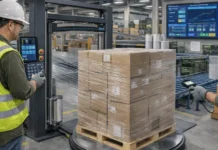
Dimensional standardization also facilitates the use of automated storage and retrieval systems (ASRS) in modern distribution centers. When every transport unit adheres to a predictable size and weight limit, the mechanical systems can operate at their maximum speed without the need for manual intervention or custom programming for each load. Furthermore, the ability to stack modular units of different sizes securely on a single pallet improves the stability of the load, reducing the risk of shifting during transit. This mathematical approach to space utilization is a cornerstone of lean logistics, enabling companies to maintain a highly efficient flow of materials through their global networks.
Adaptability in High-Mix Production
In manufacturing environments where the product range is constantly changing, the ability to rapidly adapt the packaging strategy is a significant competitive advantage. Modular packaging designs achieve this adaptability through the use of interchangeable components, such as side panels, internal dividers, and lids, that can be combined in various ways to match the specific requirements of the load. This eliminates the need for large inventories of custom crates and reduces the time spent waiting for new packaging to be manufactured. The transition from one configuration to another can often be accomplished in minutes, ensuring that the logistics process never becomes a bottleneck for production.
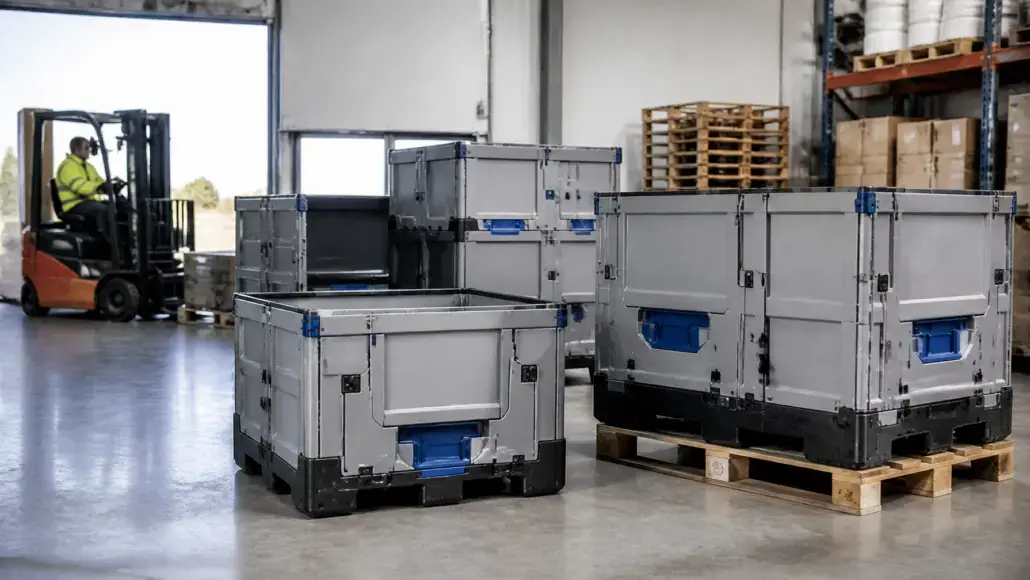
- Collapsible side walls allow modular units to be stored flat when not in use, saving up to 80 percent of warehouse space compared to rigid crates.
- Standardized internal dunnage systems, such as adjustable dividers and foam inserts, provide secure containment for delicate components of varying shapes.
- Interlocking base and lid features ensure that different sizes of modular units can be stacked together without the risk of sliding or tipping.
- Reinforced lifting points and forklift channels are integrated into every module, providing a consistent interface for material handling equipment.
This level of adaptability is particularly valuable for industries involved in complex assemblies, such as automotive or aerospace manufacturing. In these sectors, a single shipment may contain a wide variety of parts with different fragilities and orientations. By utilizing a modular approach, packaging engineers can create a customized protective envelope for each part while maintaining a standardized outer footprint. This combination of internal flexibility and external uniformity is the hallmark of modern industrial design, providing a high level of protection while maximizing logistical efficiency. The ability to reconfigure the packaging on-site ensures that the manufacturer can respond immediately to changes in the production schedule.
Cost Efficiencies of Component Modularity
The economic case for modularity is built on the reduction of both direct material costs and indirect operational expenses. By using a standardized set of components, companies can benefit from economies of scale in the procurement of their packaging materials. The ability to replace a single damaged panel rather than discarding an entire crate leads to significant long-term savings and extends the lifecycle of the asset. Furthermore, the reduction in single-use packaging waste eliminates the costs associated with the disposal of timber or cardboard, which are becoming increasingly significant due to environmental regulations and landfill taxes.
In terms of operational efficiency, the use of modular packaging designs reduces the labor required for the packing and unpacking process. Standardized assembly techniques are easier for workers to learn and perform consistently, leading to fewer errors and higher productivity. The improved stackability of modular units also leads to faster loading and unloading times at the shipping dock, reducing the turnaround time for transport vehicles. When these savings are aggregated across a large-scale supply chain, the total financial impact is substantial, making modularity a highly attractive strategy for any company seeking to optimize its logistical performance.
Environmental Impact of Reconfigurable Units
As the industrial sector moves toward a circular economy model, the environmental benefits of modular packaging become increasingly relevant. By designing for reusability and reconfigurability, companies can significantly reduce their consumption of raw materials and their total carbon footprint. A modular unit that can be used for hundreds of transit cycles represents a massive reduction in environmental impact compared to the equivalent volume of single-use timber crates. The ability to easily dismantle the units at the end of their life also facilitates the recycling of the individual components, ensuring that the materials are kept within the value chain for as long as possible.
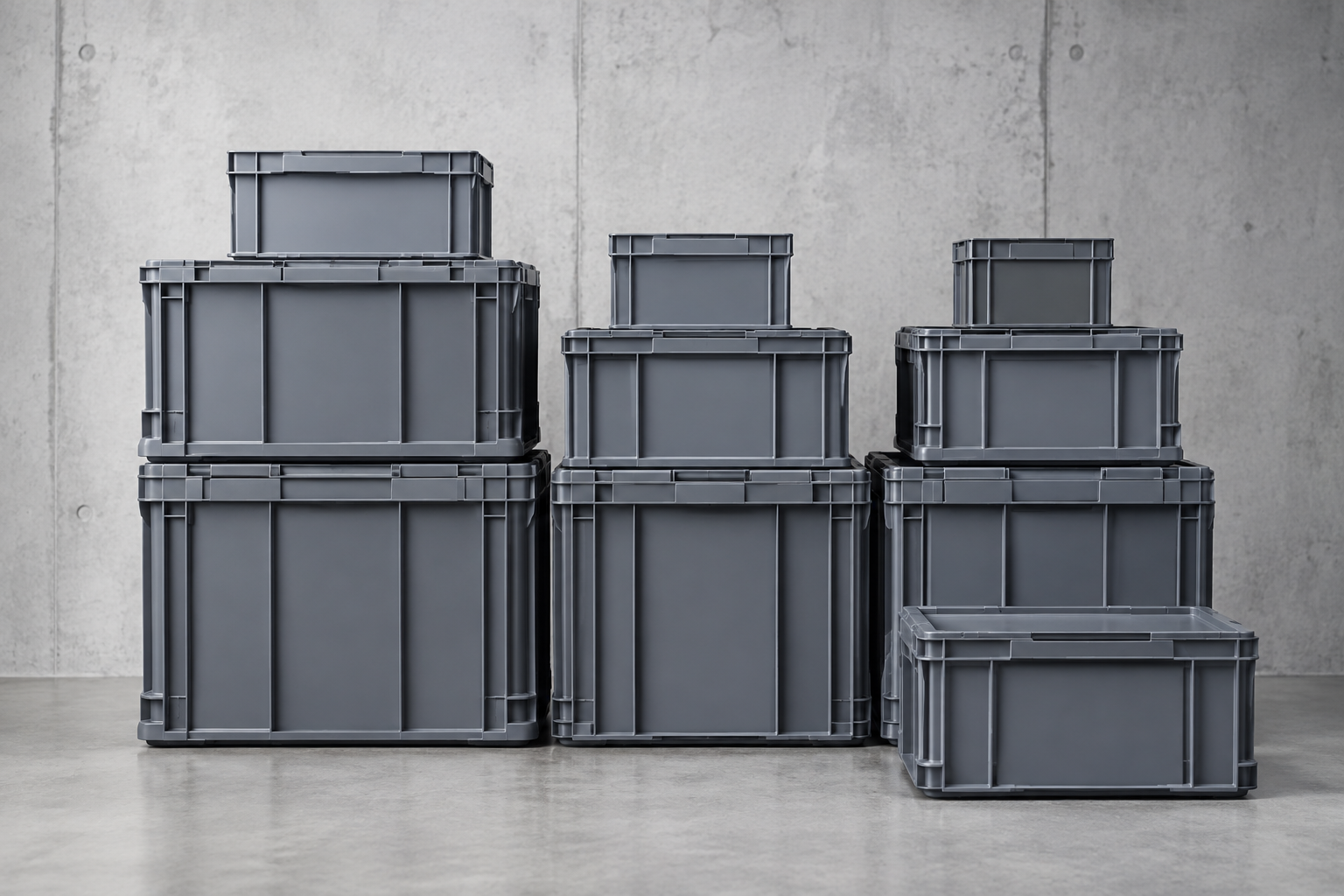
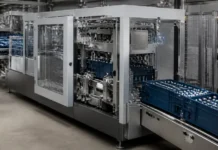
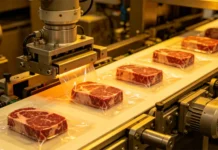
Furthermore, the increased volumetric efficiency achieved through modular designs leads to a direct reduction in the fuel consumption and greenhouse gas emissions associated with transport. By shipping less air and more product, companies can meet their sustainability targets while simultaneously improving their bottom line. The integration of these units with automated packaging systems further enhances this efficiency, as the precision of the robot ensures that every load is built to the optimal density. This alignment of economic and environmental goals is the key to creating a sustainable industrial future, where the flow of goods is achieved with the minimum possible impact on the planet.
Digital Integration in Modular Fleet Management
The final stage in the evolution of modular packaging is the integration of digital tracking and management systems. By equipping each modular unit with a unique identifier, such as a QR code or an RFID tag, companies can monitor the movement and status of their packaging fleet in real-time. This visibility allows for the optimization of the recovery and reconfiguration process, ensuring that the right components are always available at the right location. Advanced data analytics can be used to identify patterns in the usage and damage of the modules, providing valuable insights for future design improvements.
The digital management of a modular fleet also facilitates the implementation of new business models, such as packaging-as-a-service. In this model, manufacturers do not own the packaging but rather rent it from a specialized provider who is responsible for the maintenance and logistics of the fleet. This allows companies to convert a large capital expenditure into a variable operational cost, while also benefiting from the expertise of a dedicated packaging specialist. The combination of physical modularity and digital intelligence is the future of industrial logistics, providing a level of flexibility and efficiency that was previously unimaginable. By embracing these systems, the industrial sector can ensure that its transport requirements are met with precision and reliability.
The continued advancement of modular packaging designs is a vital component of the global effort to create more flexible and sustainable supply chains. As the demands of the industrial market continue to evolve, the ability to adapt and reconfigure the logistics process will become an even more critical success factor. By investing in standardized and reusable containment systems, manufacturers can ensure that their products are moved with the maximum efficiency and the minimum risk, supporting the continued growth and prosperity of the global economy. The transition toward modularity is not just a logistical improvement; it is a fundamental shift toward a more intelligent and resilient industrial infrastructure.

