

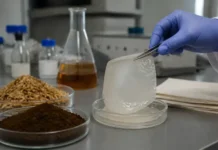













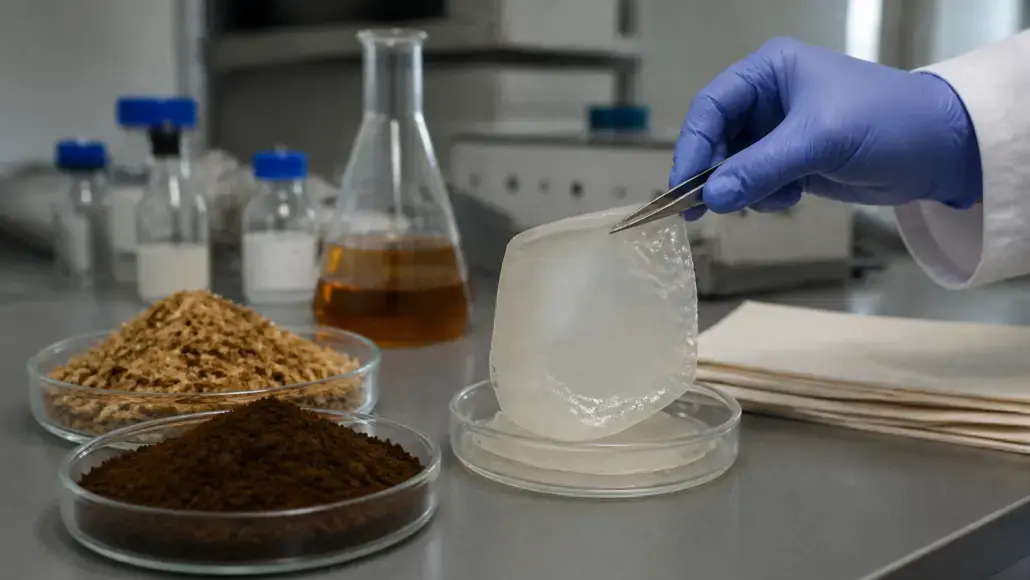

Innovative research in Argentina has successfully demonstrated that it is possible to produce bacterial cellulose by utilizing food industry byproducts, specifically coffee grounds and beer bagasse. This scientific breakthrough, led by Melina Nisenbaum from CONICET and the National University of Mar del Plata, has earned a Franco-Argentine innovation award of 3,000 euros.
Transforming Industrial Waste into Sustainable Materials
The primary objective of this project is to repurpose industrial waste into viable, sustainable innovation solutions that act as substitutes for flexible plastics. While the current methodology remains at a laboratory scale, the research indicates significant potential for future applications in both the textile and packaging industries. By developing these plastic substitutes, the team aims to mitigate the environmental impact associated with conventional plastics, which persist in the environment for centuries and contribute heavily to global pollution.
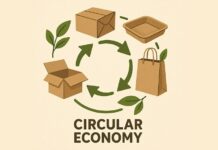
Advancing the Circular Economy through Biotechnology
The research originated from a collaboration with +USO, a local firm in Mar del Plata that produces biomaterials from kombucha cellulose. This partnership has already yielded products such as “Revium sheets,” which function similarly to vegan leather. This development highlights the versatility of bacterial cellulose in sectors like sustainable fashion and biodegradable packaging.
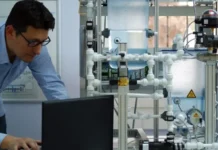
To ensure long-term stability, researchers identified the necessity of controlled production environments. Nisenbaum highlights the importance of using industrial waste as nutrients, which would allow for more efficient and sustainable production. This approach actively supports a circular economy by utilizing resources that would otherwise be discarded. Initial testing confirmed that four specific regional materials; coffee grounds, yerba mate, gin bagasse, and beer bagasse, effectively sustain the production of these materials. Furthermore, the study established that maintaining specific levels of temperature and oxygen is critical for maximizing yields in these biotechnologies.
Future Scaling and Commercial Viability
The transition from a laboratory setting to industrial-scale production represents the most significant challenge moving forward. The company +USO is currently tasked with validating the physical properties and durability of these biotextiles to confirm their commercial potential. The recognition from the Franco-Argentine Distinction in Innovation provides a vital platform for Nisenbaum to explore scaling possibilities in international markets. While the research continues to address questions regarding total yield and comparative environmental impacts, the initial findings represent a measurable step forward in utilizing food waste for material science.