














Key Takeaways:
- Modern beverage packaging trends are increasingly focusing on the marriage of sustainable beverage packaging and high-impact beverage bottle design to capture consumer interest. By utilizing eco-friendly materials such as recycled glass, aluminum, and plant-based plastics, brands are able to project a responsible image while the unique structural silhouettes of their containers serve as a silent yet powerful marketing tool on crowded retail shelves.
- The evolution of innovative labeling and brand packaging trends is enabling companies to foster deeper consumer engagement through tactile finishes and digital integration. Sophisticated beverage labeling techniques, including textured papers and augmented reality triggers, transform a standard drink into a premium experience, thereby strengthening brand recognition and encouraging long-term loyalty in a highly competitive global market.
In the saturated world of the beverage industry, the bottle is often the first and most influential point of contact between a brand and a consumer. It is the silent salesman, the physical manifestation of a company’s ethos, and a critical tool for differentiation. Current beverage packaging trends are moving away from generic containers toward highly bespoke, meaningful designs that tell a story. This shift is driven by a need to stand out in a digital-first world where visual appeal translates directly into social media exposure and retail success. By combining cutting-edge beverage bottle design with a deep commitment to environmental responsibility, brands are finding new ways to capture hearts and minds.
The Aesthetic Power of Beverage Bottle Design
The silhouette of a bottle can be as iconic as the logo itself. Think of the classic curves of a heritage soda bottle or the minimalist elegance of a premium water brand; these shapes are etched into the collective consciousness.
Structural Innovation and Ergonomics
Modern beverage bottle design is pushing these boundaries even further. We are seeing a move toward ergonomic shapes that feel natural in the hand, as well as artistic, sculptural forms that make the product look like a piece of decor.
Creating a Tactile Experience
These designs are not accidental; they are meticulously engineered to create a tactile experience that reinforces the brand’s premium positioning. When a bottle feels high-quality whether through its weight, its grip, or its unique texture the consumer subconsciously assumes the liquid inside is of equal caliber. This sensory engagement is a core part of brand packaging trends, turning a simple commodity into a luxury experience.
Sustainable Beverage Packaging as a Core Identity
Sustainability is no longer an optional add-on; it is a primary driver of beverage packaging trends. Today’s consumers are hyper-aware of the plastic crisis, leading brands to adopt sustainable beverage packaging solutions as a core part of their brand recognition strategy.
The Aluminum Revolution and Infinitely Recyclable Materials
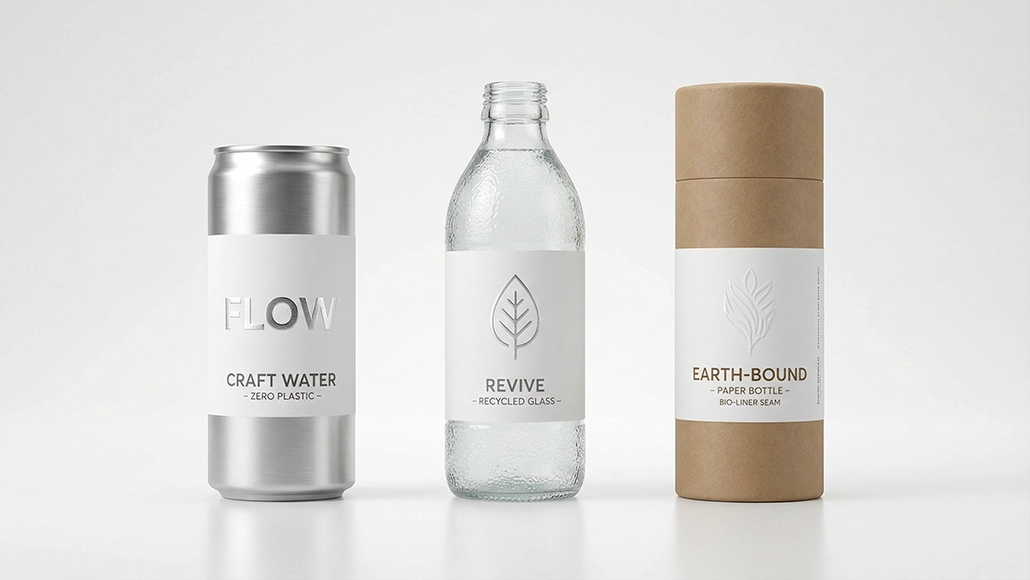
This includes the rise of aluminum cans in sectors traditionally dominated by plastic, such as water and craft sodas. Aluminum is infinitely recyclable and has a higher recycling rate than plastic or glass. By choosing aluminum, brands can market their products as “plastic-free,” a claim that resonates deeply with environmentally conscious shoppers.
Plant-Based Plastics and Paper Bottles
For those who still require the transparency of plastic, the move toward 100% rPET (recycled polyethylene terephthalate) and plant-based plastics is accelerating. Some innovative companies are even experimenting with paper-based bottles that are fully compostable, utilizing a thin bio-liner to maintain a liquid-tight seal. By placing environmental values front and center, brands are not just helping the planet; they are building a “green” reputation that serves as a powerful magnet for the modern, conscious shopper.
Innovative Labeling: Beyond the Visual
The label is the primary canvas for brand storytelling. Innovative labeling techniques are currently transforming this space, moving beyond simple graphics to include tactile and digital elements.
Haptic Finishes and Textured Labels
We are seeing a surge in “haptic” labeling finishes like embossing, debossing, and “soft-touch” coatings that invite the consumer to touch and hold the product. These textures increase the “dwell time” a consumer spends with a bottle on the shelf, which statistically increases the likelihood of a purchase.
Digital Integration and Interactive Beverage Labeling
Furthermore, beverage labeling is increasingly incorporating smart technology. QR codes and NFC tags allow consumers to access the story behind the drink be it the origin of the coffee beans, the specific vineyard’s soil composition, or even a curated Spotify playlist designed to be listened to while drinking the beverage. This transparency and engagement are key components of modern brand packaging trends, fostering a sense of authenticity and trust that traditional advertising cannot replicate.
Personalization and Limited Editions
One of the most effective beverage packaging trends for boosting engagement is personalization. Digital printing technology has made it possible to create unique labels for every single bottle in a production run.
The “Share a Coke” Effect and Beyond
Whether it’s printing names, local landmarks, or unique pieces of art, this level of customization makes the consumer feel that the product was made specifically for them. Limited edition packaging also plays a crucial role in brand recognition. By collaborating with local artists or celebrating cultural moments with unique beverage bottle design, brands can create a sense of urgency and collectability. This turns a standard beverage into a must-have item, often kept by the consumer long after the contents have been consumed.
The Rise of Premiumization and Minimalist Trends
In a world of constant noise, sometimes the quietest design speaks the loudest. A significant segment of beverage packaging trends is leaning toward minimalism.
Clean Lines and Aesthetic Honesty
Minimalist design involves clean lines, ample white space, and a focus on essential information. This “less is more” approach often signals a premium, sophisticated product. By stripping away the clutter, brands allow the quality of the beverage bottle design and the integrity of the materials to take center stage.
Minimalism in the Craft and Health Sectors
This trend is particularly prevalent in the craft spirits and functional beverage markets (such as kombucha or CBD-infused drinks), where clarity and honesty are highly valued. A minimalist label suggests that the brand has nothing to hide and that the ingredients speak for themselves. This aesthetic choice is a powerful tool for brand packaging trends, appealing to consumers who are tired of aggressive marketing and are looking for purity.
Functionality as a Brand Attribute
Brand recognition is also built through the utility of the packaging. If a package makes the consumer’s life easier, that positive experience is directly attributed to the brand.
Innovative Closures and On-the-Go Convenience
Innovative closures, such as re-sealable cans, “flip-top” ceramic bottles, or integrated straws, provide a level of convenience that consumers remember and seek out. We are also seeing beverage packaging trends that focus on the “on-the-go” lifestyle, with bottles designed to fit perfectly into car cup holders or gym bags. This focus on “user-centric” design ensures that the brand is associated with quality and thoughtfulness at every stage of consumption.
The Psychology of Color in Beverage Labeling
Color is perhaps the most immediate way to communicate a brand’s personality. The psychology of color in beverage labeling is a well-studied field that is being refined by new printing technologies.
Communicating Flavor and Mood Through Palette
Deep greens and earthy tones are used to signal health and natural ingredients, while vibrant, neon colors are used to denote energy and bold flavors. Metallic foils and holographic effects are increasingly used to signal premium quality or a “futuristic” brand identity.
Consistency Across the Product Line
Maintaining color consistency across different packaging materials from glass to cardboard to plastic is a major technical challenge. Brands that achieve perfect color harmony across their entire product line project a sense of professional excellence that significantly boosts brand recognition. This attention to detail in beverage labeling is what separates market leaders from their competitors.
The Future of the Beverage Experience
As we move forward, the line between the physical package and the digital brand will continue to blur. We will likely see more “connected” packaging that interacts with smart home devices.
Smart Coolers and Auto-Replenishment
Imagine a refrigerator that can scan your beverage bottle design and automatically add it to your shopping list when it detects the bottle is empty, or a “smart” glass that interacts with the bottle’s label to provide nutritional data.
Final Thoughts on Brand Evolution
The fundamental principles of beverage packaging trends will remain rooted in the human experience. The most successful brands will be those that can master the balance between high-tech innovation and high-touch design. By staying committed to sustainable beverage packaging and investing in unique beverage bottle design, companies can ensure that their products are not just consumed, but are truly recognized and remembered in a crowded global marketplace. The bottle of the future is not just a container; it is a gateway to a brand’s world.